Blab Business
Salzgitter AG and EWE AG Secure 10,000-Tonnes Green Hydrogen Offtake Deal to Drive Steel Decarbonisation
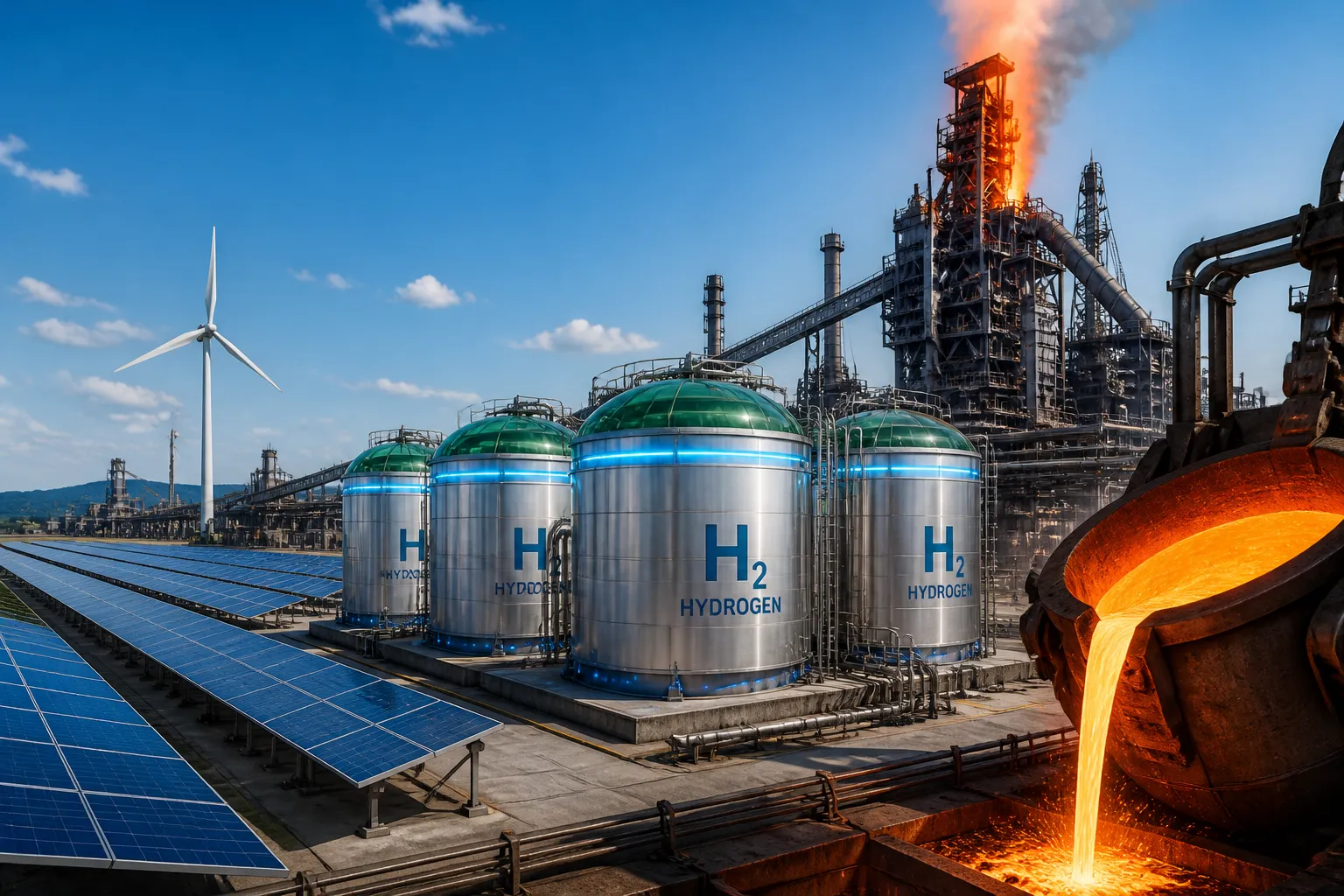
On June 9, 2026, Salzgitter AG and its subsidiary Salzgitter Flachstahl GmbH announced a binding offtake agreement with energy provider EWE AG that will deliver roughly 10,000 tonnes of green hydrogen each year. Signed in Berlin, the contract kicks off in 2030 and spans an initial seven‑year term.
The pact marks the first major external hydrogen purchase for Salzgitter’s SALCOS® programme, which aims to replace coal and coke in its direct‑reduction plants with hydrogen. In a press release, the company said the initiative will cut CO₂ emissions by 95 % over the next decade by shifting from blast‑furnace operations to a direct‑reduction iron (DRI) – electric‑arc‑furnace (EAF) process that uses hydrogen as the reducing agent.
EWE’s Clean Hydrogen Coastline initiative will supply the gas. The company is building a 320‑MW electrolyser in Emden, Lower Saxony, expected to produce about 40,000 tonnes of green hydrogen annually when operating at full capacity. The electrolyser will rely on electricity from offshore and onshore wind farms to split water into hydrogen and oxygen. Salzgitter will complement the imported supply with a 100‑MW electrolyser on its own site, allowing a flexible mix of locally produced and imported hydrogen.
Transport and storage infrastructure are central to the agreement. EWE is upgrading existing natural‑gas pipelines and installing new dedicated hydrogen lines to move the gas from Emden to Salzgitter. Salt‑cavern storage facilities near the coast will buffer production fluctuations caused by variable wind power, ensuring that industrial‑grade hydrogen reaches the steelworks even when renewable generation is low.
The German federal government and the state of Lower Saxony have provided significant financial backing. The Climate and Transformation Fund contributed €925 million, while the state earmarked €397 million for the SALCOS programme. An additional €267 million will finance EWE’s electrolyser in Emden. These investments align with Germany’s National Hydrogen Strategy, which prioritises green hydrogen for hard‑to‑decarbonise sectors such as steel.
By locking in a long‑term offtake, Salzgitter can secure a stable hydrogen supply and reduce exposure to price volatility, strengthening the financial viability of its transition. The partnership will also generate a data set that can inform future hydrogen projects, providing insights into large‑scale electrolyser operation, hydrogen purity control, DRI‑EAF integration, and cavern storage dynamics.
Challenges remain. Green hydrogen is generally more expensive than grey hydrogen because of higher electricity and capital costs. The German grid fee structure also adds to the cost of renewable electricity. The agreement therefore relies on continued policy support and potentially market mechanisms such as contracts‑for‑difference or carbon pricing to maintain competitiveness.
In sum, the Salzgitter–EWE offtake deal represents a concrete step toward a hydrogen‑based steel industry in Germany. The contract will deliver 10,000 tonnes of green hydrogen annually from 2030, support the SALCOS programme’s decarbonisation targets, and reinforce the country’s broader hydrogen infrastructure network.
The next key milestone will be the commissioning of EWE’s electrolyser in Emden, expected to begin production by the end of 2027. Salzgitter will monitor the hydrogen supply and adjust its own electrolyser output accordingly. The partnership’s progress will be closely watched by industry observers, investors, and policymakers as a model for scaling green hydrogen in heavy industry.
The pact marks the first major external hydrogen purchase for Salzgitter’s SALCOS® programme, which aims to replace coal and coke in its direct‑reduction plants with hydrogen. In a press release, the company said the initiative will cut CO₂ emissions by 95 % over the next decade by shifting from blast‑furnace operations to a direct‑reduction iron (DRI) – electric‑arc‑furnace (EAF) process that uses hydrogen as the reducing agent.
EWE’s Clean Hydrogen Coastline initiative will supply the gas. The company is building a 320‑MW electrolyser in Emden, Lower Saxony, expected to produce about 40,000 tonnes of green hydrogen annually when operating at full capacity. The electrolyser will rely on electricity from offshore and onshore wind farms to split water into hydrogen and oxygen. Salzgitter will complement the imported supply with a 100‑MW electrolyser on its own site, allowing a flexible mix of locally produced and imported hydrogen.
Transport and storage infrastructure are central to the agreement. EWE is upgrading existing natural‑gas pipelines and installing new dedicated hydrogen lines to move the gas from Emden to Salzgitter. Salt‑cavern storage facilities near the coast will buffer production fluctuations caused by variable wind power, ensuring that industrial‑grade hydrogen reaches the steelworks even when renewable generation is low.
The German federal government and the state of Lower Saxony have provided significant financial backing. The Climate and Transformation Fund contributed €925 million, while the state earmarked €397 million for the SALCOS programme. An additional €267 million will finance EWE’s electrolyser in Emden. These investments align with Germany’s National Hydrogen Strategy, which prioritises green hydrogen for hard‑to‑decarbonise sectors such as steel.
By locking in a long‑term offtake, Salzgitter can secure a stable hydrogen supply and reduce exposure to price volatility, strengthening the financial viability of its transition. The partnership will also generate a data set that can inform future hydrogen projects, providing insights into large‑scale electrolyser operation, hydrogen purity control, DRI‑EAF integration, and cavern storage dynamics.
Challenges remain. Green hydrogen is generally more expensive than grey hydrogen because of higher electricity and capital costs. The German grid fee structure also adds to the cost of renewable electricity. The agreement therefore relies on continued policy support and potentially market mechanisms such as contracts‑for‑difference or carbon pricing to maintain competitiveness.
In sum, the Salzgitter–EWE offtake deal represents a concrete step toward a hydrogen‑based steel industry in Germany. The contract will deliver 10,000 tonnes of green hydrogen annually from 2030, support the SALCOS programme’s decarbonisation targets, and reinforce the country’s broader hydrogen infrastructure network.
The next key milestone will be the commissioning of EWE’s electrolyser in Emden, expected to begin production by the end of 2027. Salzgitter will monitor the hydrogen supply and adjust its own electrolyser output accordingly. The partnership’s progress will be closely watched by industry observers, investors, and policymakers as a model for scaling green hydrogen in heavy industry.