Blab Business
Adani Group Targets 10 GW Nuclear Capacity, Expands Data-Centre and Power Footprint
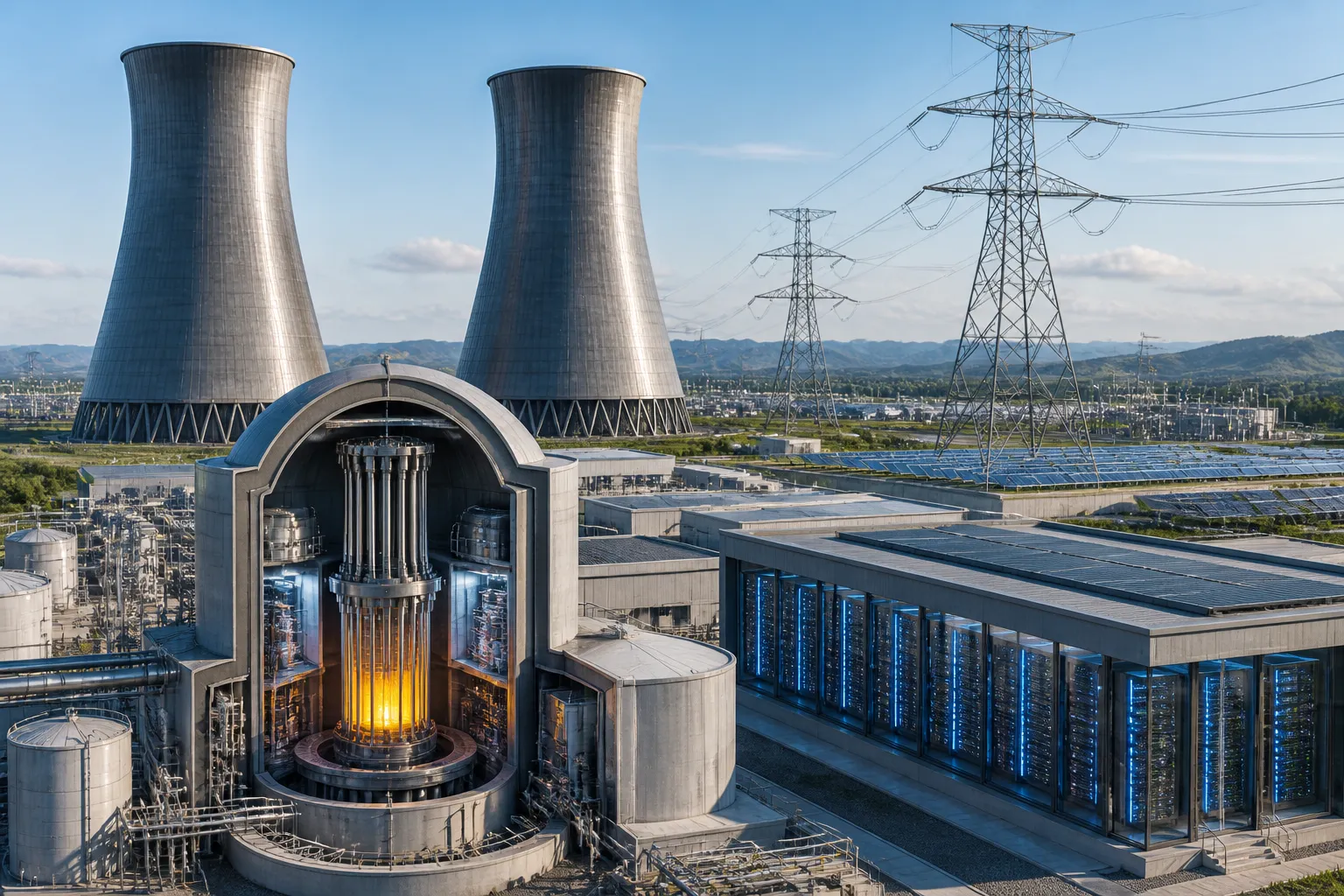
In a bold pivot that could reshape India’s energy mix, the Adani Group unveiled plans to build 10 gigawatts of nuclear power by 2035—its first step into atomic energy. The initiative will be launched through a newly formed subsidiary, Adani Atomic Energy, and the conglomerate has already earmarked land for the projects.
The announcement came at the group’s annual general meeting in Mumbai. Adani Power, a key arm of the conglomerate, lifted its generation target to 45 GW by the end of fiscal 2032, up from the previous 42 GW goal. To reach this milestone, the company will deploy a capital‑expenditure program exceeding ₹2 lakh crore. Meanwhile, Adani has raised its data‑centre capacity target to 3 GW by 2030, a jump from 2 GW, and signed a binding agreement with Google to establish a gigawatt‑scale data centre in Visakhapatnam.
Other partnership announcements followed. The group will collaborate with Brazilian aircraft maker Embraer and, in a continued partnership with Leonardo, will develop aircraft manufacturing, maintenance, repair and overhaul (MRO) services and pilot training in India. A joint venture with Bhutan’s Druk Green Power Corporation aims to deliver 5 GW of hydropower projects.
Financially, Adani Group disclosed that it invested more than ₹1.5 lakh crore in infrastructure during fiscal 2026. The group reported revenue of ₹2.92 lakh crore, EBITDA of ₹94,834 crore and profit after tax of ₹46,376 crore.
India’s electricity demand has risen steadily, and the government has been encouraging a mix of low‑carbon baseload sources, including nuclear power. The Adani plan aligns with that policy direction and with the group’s broader strategy to expand beyond ports, airports and logistics into sectors that benefit from growing power needs, artificial‑intelligence‑driven computing and defence manufacturing.
The group’s statements highlighted the connection between infrastructure and intelligence, noting that “infrastructure gives a nation muscle. Intelligence gives a nation mastery. Today, the two are inseparable.” It added that it will continue to build an integrated platform across energy, transport and digital assets.
At present, the nuclear projects remain in the planning stage. Land acquisition has been completed, but construction has not yet begun. The 45 GW thermal target will be pursued through new and expanded coal‑based plants, while the data‑centre expansion will rely on partnerships with major technology firms. The group’s upcoming earnings report, scheduled for the end of the current fiscal year, will provide further detail on capital‑expenditure commitments and project timelines.
These developments are part of a broader effort by Adani Group to diversify its portfolio and meet India’s growing demand for clean, round‑the‑clock power. The company’s next steps will likely involve securing regulatory approvals for the nuclear and hydropower projects and finalising investment details for the expanded data‑centre and thermal capacity.
The announcement came at the group’s annual general meeting in Mumbai. Adani Power, a key arm of the conglomerate, lifted its generation target to 45 GW by the end of fiscal 2032, up from the previous 42 GW goal. To reach this milestone, the company will deploy a capital‑expenditure program exceeding ₹2 lakh crore. Meanwhile, Adani has raised its data‑centre capacity target to 3 GW by 2030, a jump from 2 GW, and signed a binding agreement with Google to establish a gigawatt‑scale data centre in Visakhapatnam.
Other partnership announcements followed. The group will collaborate with Brazilian aircraft maker Embraer and, in a continued partnership with Leonardo, will develop aircraft manufacturing, maintenance, repair and overhaul (MRO) services and pilot training in India. A joint venture with Bhutan’s Druk Green Power Corporation aims to deliver 5 GW of hydropower projects.
Financially, Adani Group disclosed that it invested more than ₹1.5 lakh crore in infrastructure during fiscal 2026. The group reported revenue of ₹2.92 lakh crore, EBITDA of ₹94,834 crore and profit after tax of ₹46,376 crore.
India’s electricity demand has risen steadily, and the government has been encouraging a mix of low‑carbon baseload sources, including nuclear power. The Adani plan aligns with that policy direction and with the group’s broader strategy to expand beyond ports, airports and logistics into sectors that benefit from growing power needs, artificial‑intelligence‑driven computing and defence manufacturing.
The group’s statements highlighted the connection between infrastructure and intelligence, noting that “infrastructure gives a nation muscle. Intelligence gives a nation mastery. Today, the two are inseparable.” It added that it will continue to build an integrated platform across energy, transport and digital assets.
At present, the nuclear projects remain in the planning stage. Land acquisition has been completed, but construction has not yet begun. The 45 GW thermal target will be pursued through new and expanded coal‑based plants, while the data‑centre expansion will rely on partnerships with major technology firms. The group’s upcoming earnings report, scheduled for the end of the current fiscal year, will provide further detail on capital‑expenditure commitments and project timelines.
These developments are part of a broader effort by Adani Group to diversify its portfolio and meet India’s growing demand for clean, round‑the‑clock power. The company’s next steps will likely involve securing regulatory approvals for the nuclear and hydropower projects and finalising investment details for the expanded data‑centre and thermal capacity.








