Blab Business
Delhi Data Centre Fire Disrupts Google Cloud, Leaves Clients Facing Data Loss
A fire that broke out early on June 5 at the STT Global Data Centres India facility in New Delhi caused extensive damage to a single data hall, disrupted Google Cloud services in India, and left several customers worried about data loss. The joint venture, owned by Singapore‑based ST Telemedia and India’s Tata Communications, has confirmed that an independent technical root‑cause analysis is underway and that services are being restored where possible.
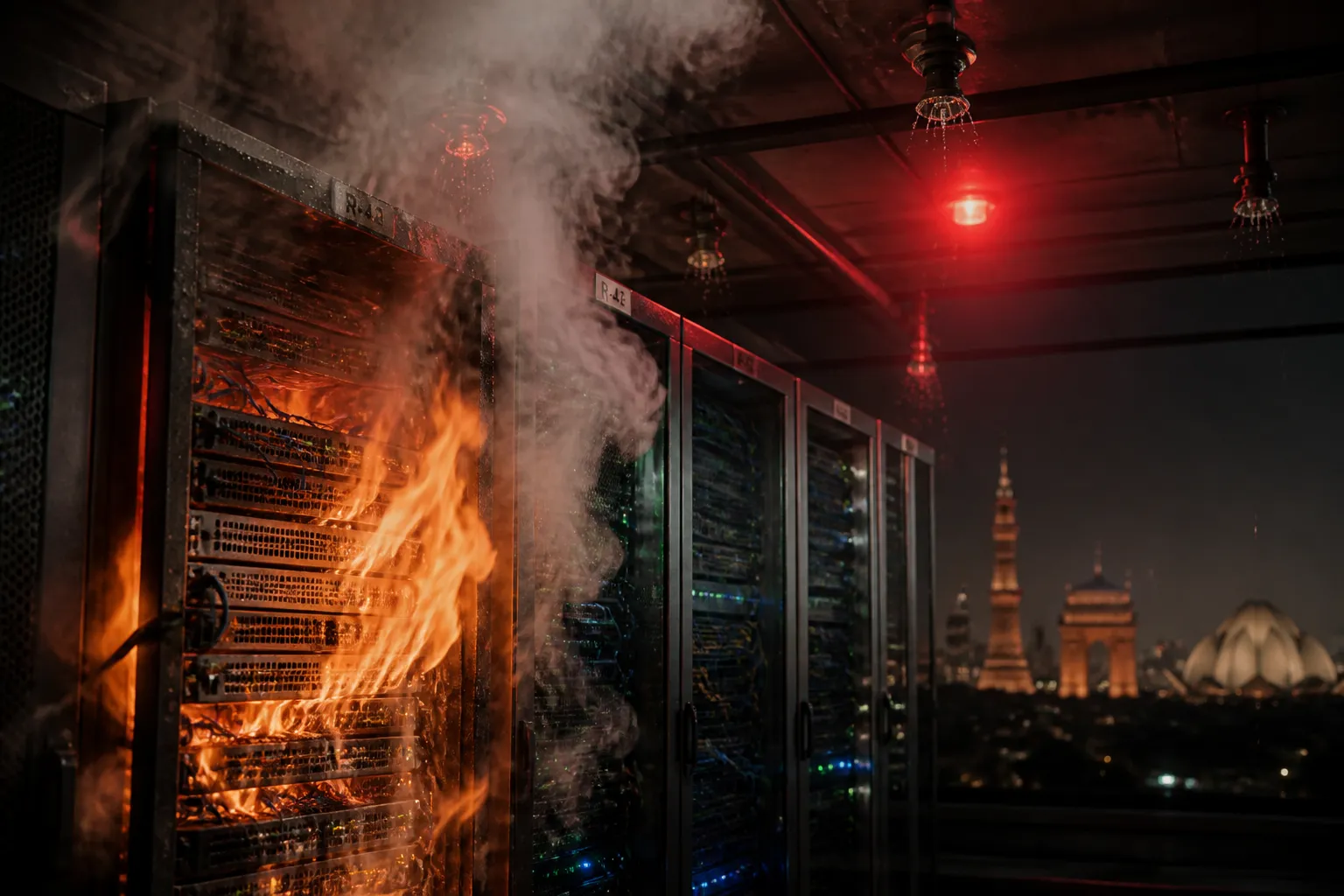
The blaze, which authorities say started in a lithium‑battery room, left server racks and electrical infrastructure in the affected hall burned, with collapsed ceiling panels and debris across the floor. A letter from Tata Communications’ Novamesh unit to mobile‑SIM supplier Matrix Cellular, dated June 15, described the damage as “extensive” and noted that “the severity of the damage … presents significant challenges to the recovery of the affected data and systems.” Matrix, which stores more than 20 years of operational, billing and vendor data in the centre, said its CEO Gaurav Khanna that the company had not yet restored a backup.
Tata Communications said it had activated business‑continuity plans immediately after the fire and had restored services for all customers who had subscribed to its recovery and backup services. The company also moved affected clients to alternate capacity where possible.
Google Cloud, which relies on the facility for part of its India network, reported on its incident page on June 9 that the fire had forced an emergency power shutdown of networking equipment. The company warned that customers could experience elevated latency and packet loss until the facility is fully restored. A subsequent update on June 23 confirmed that no workaround was available and that latency issues could persist. Google did not respond to a request for comment.
R2 Net, an internet‑service provider that uses the data centre for law‑enforcement tracking data, warned that the outage could drive customers away. Its CEO Sanjay Singh told Reuters that “vital tracking data stored in servers and used by law enforcement to monitor illegal internet activity” was affected.
According to a statement from STT Global Data Centres India, the damage was confined to one data hall; the rest of the facility remained operational. The joint venture, which runs 30 data centres across 10 Indian cities, is supporting affected customers and expects the root‑cause analysis to take five to seven weeks.
The fire adds to a series of challenges for the Tata group. Earlier this year, Tata Electronics disclosed a ransomware incident that exposed client documents on a dark‑web site. The data‑centre incident is being treated as a force‑majeure event, with the joint venture’s fire‑protection and suppression system described as “state‑of‑the‑art.”
The incident has highlighted the risk of lithium‑ion battery fires in data‑centre facilities, prompting industry reviews of fire‑suppression design and battery‑room safety. The blaze shows that even advanced safety measures can be overwhelmed.
At present, the fire’s root cause remains unclear, and no definitive timeline for full restoration of services is available. Clients are awaiting the results of the technical analysis and the completion of recovery efforts. The incident underscores the importance of robust backup strategies for data‑centric businesses operating in high‑risk environments.
The blaze, which authorities say started in a lithium‑battery room, left server racks and electrical infrastructure in the affected hall burned, with collapsed ceiling panels and debris across the floor. A letter from Tata Communications’ Novamesh unit to mobile‑SIM supplier Matrix Cellular, dated June 15, described the damage as “extensive” and noted that “the severity of the damage … presents significant challenges to the recovery of the affected data and systems.” Matrix, which stores more than 20 years of operational, billing and vendor data in the centre, said its CEO Gaurav Khanna that the company had not yet restored a backup.
Tata Communications said it had activated business‑continuity plans immediately after the fire and had restored services for all customers who had subscribed to its recovery and backup services. The company also moved affected clients to alternate capacity where possible.
Google Cloud, which relies on the facility for part of its India network, reported on its incident page on June 9 that the fire had forced an emergency power shutdown of networking equipment. The company warned that customers could experience elevated latency and packet loss until the facility is fully restored. A subsequent update on June 23 confirmed that no workaround was available and that latency issues could persist. Google did not respond to a request for comment.
R2 Net, an internet‑service provider that uses the data centre for law‑enforcement tracking data, warned that the outage could drive customers away. Its CEO Sanjay Singh told Reuters that “vital tracking data stored in servers and used by law enforcement to monitor illegal internet activity” was affected.
According to a statement from STT Global Data Centres India, the damage was confined to one data hall; the rest of the facility remained operational. The joint venture, which runs 30 data centres across 10 Indian cities, is supporting affected customers and expects the root‑cause analysis to take five to seven weeks.
The fire adds to a series of challenges for the Tata group. Earlier this year, Tata Electronics disclosed a ransomware incident that exposed client documents on a dark‑web site. The data‑centre incident is being treated as a force‑majeure event, with the joint venture’s fire‑protection and suppression system described as “state‑of‑the‑art.”
The incident has highlighted the risk of lithium‑ion battery fires in data‑centre facilities, prompting industry reviews of fire‑suppression design and battery‑room safety. The blaze shows that even advanced safety measures can be overwhelmed.
At present, the fire’s root cause remains unclear, and no definitive timeline for full restoration of services is available. Clients are awaiting the results of the technical analysis and the completion of recovery efforts. The incident underscores the importance of robust backup strategies for data‑centric businesses operating in high‑risk environments.