Blab Business
Thailand Targets Year-End Closure of EU Free-Trade Talks Amid Raw-Material and Agriculture Disputes
Prime Minister Anutin Charnvirakul announced on Thursday that Thailand intends to finish negotiations for a free‑trade agreement (FTA) with the European Union (EU) by the end of 2026. The statement followed a meeting at Government House with senior representatives of the EU‑Asean Business Council (EU‑ABC), the European Association for Business and Commerce (EABC) and more than 40 European companies.
Government spokeswoman Rachada Dhnadirek said the prime minister welcomed the EU‑ABC, EABC and firms from nine key industries to discuss trade, investment and economic cooperation. The meeting was described as a continuation of Thailand’s effort to keep dialogue open with the private sector.
According to the prime minister, European businesses reaffirmed their interest in expanding investment in Thailand. He praised the government’s outreach to the private sector and said Thailand is ready to attract investment, promote tourism and strengthen its role as a regional manufacturing hub. He added that the country is seeking EU support to conclude the FTA by year‑end.
The talks have slowed in the final stage, the prime minister said, as both sides work to resolve differences over sensitive issues. A successful agreement would lift tariff barriers for Thai exporters and boost bilateral trade.
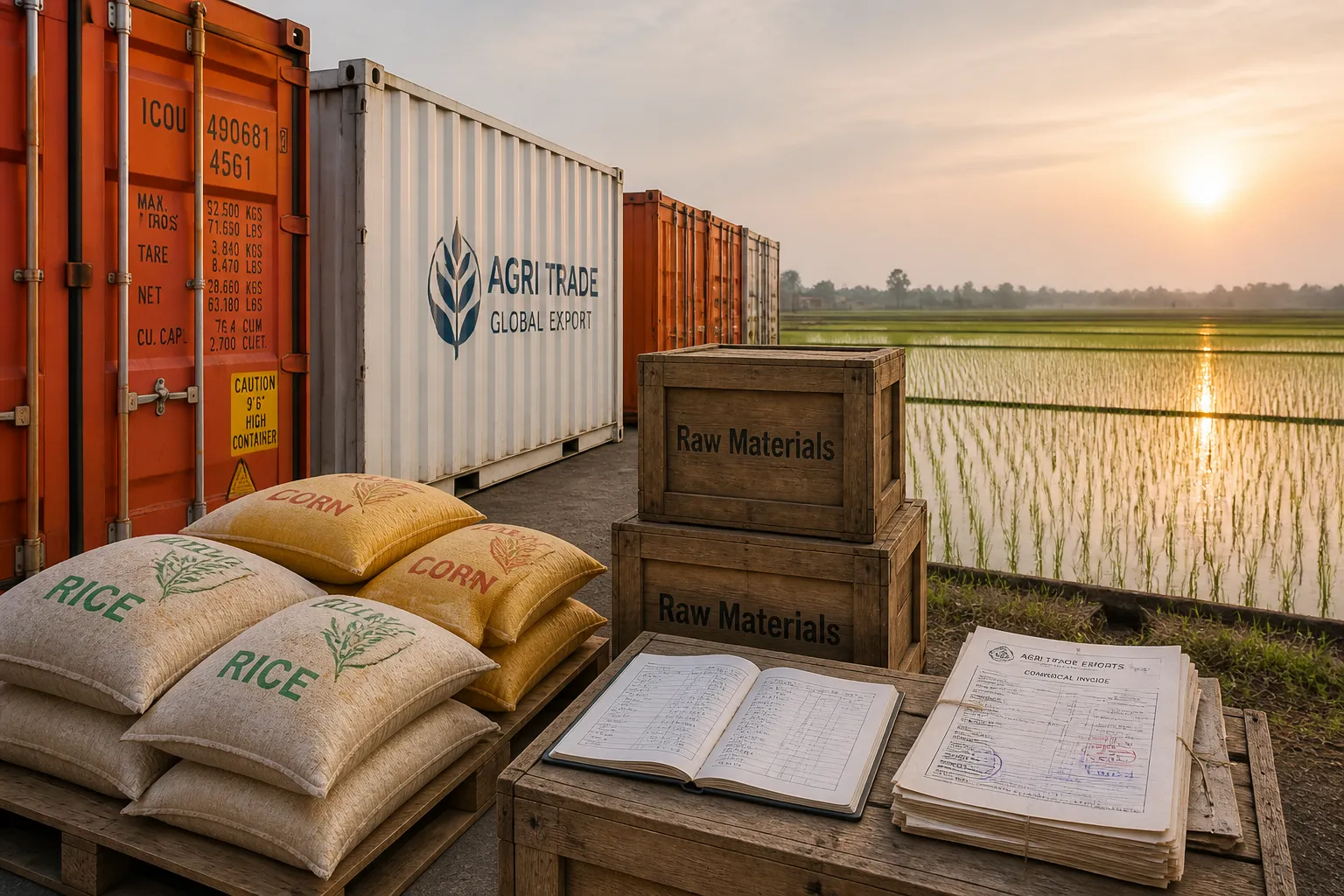
When asked about the remaining obstacles, the prime minister identified raw materials and agricultural products as key issues. He said the government must proceed carefully to protect the interests of all parties.
A source familiar with the negotiations reported that the EU has strict requirements on the origin of agricultural raw materials. These include environmental standards, anti‑deforestation measures and limits on chemical use. The bloc also applies rules of origin that determine the proportion of domestic or partner‑country inputs needed for products to qualify for zero tariffs.
European business representatives reaffirmed Thailand’s attractiveness as an investment destination, citing its strategic location, established manufacturing capacity and skilled workforce. They also expressed support for the Thailand‑EU FTA and for Thailand’s bid to join the Organisation for Economic Co‑operation and Development (OECD). The representatives proposed closer cooperation in manufacturing, life sciences, food, finance, the digital economy and artificial intelligence.
The Thai government has been pursuing the FTA since the first round of talks began in 2013, with a second round relaunched in March 2024. The latest round has focused on competition clauses, human‑rights implications and other regulatory matters.
The EU’s role in negotiating trade agreements is exclusive, but member‑state governments retain decision‑making authority. Thailand’s Commerce Ministry’s Department of Trade Negotiations is leading the talks.
The prime minister’s remarks come as Thailand seeks to diversify its trade partners and deepen ties with the EU, which is the world’s largest trading bloc. The FTA would provide Thai exporters with tariff‑free access to EU markets and could attract additional European investment.
The current status of the negotiations remains that key differences over raw‑material origin and agricultural products have not yet been resolved. No timetable has been set beyond the goal of concluding the agreement by the end of the year. Thailand’s government continues to engage EU officials and business groups to address these issues.
The outcome of the negotiations will be closely watched by investors, trade associations and policymakers in both regions, as it could reshape Thailand’s trade landscape and influence the EU’s engagement with Southeast Asia.
The next phase will involve finalizing the rules of origin and environmental compliance standards. Once the agreement is signed, it will need approval from the Thai parliament and ratification by EU member states before it can enter into force.
For now, Thailand remains committed to concluding the FTA by year‑end, while maintaining a cautious approach to protect the interests of domestic producers and the broader economy.
Government spokeswoman Rachada Dhnadirek said the prime minister welcomed the EU‑ABC, EABC and firms from nine key industries to discuss trade, investment and economic cooperation. The meeting was described as a continuation of Thailand’s effort to keep dialogue open with the private sector.
According to the prime minister, European businesses reaffirmed their interest in expanding investment in Thailand. He praised the government’s outreach to the private sector and said Thailand is ready to attract investment, promote tourism and strengthen its role as a regional manufacturing hub. He added that the country is seeking EU support to conclude the FTA by year‑end.
The talks have slowed in the final stage, the prime minister said, as both sides work to resolve differences over sensitive issues. A successful agreement would lift tariff barriers for Thai exporters and boost bilateral trade.
When asked about the remaining obstacles, the prime minister identified raw materials and agricultural products as key issues. He said the government must proceed carefully to protect the interests of all parties.
A source familiar with the negotiations reported that the EU has strict requirements on the origin of agricultural raw materials. These include environmental standards, anti‑deforestation measures and limits on chemical use. The bloc also applies rules of origin that determine the proportion of domestic or partner‑country inputs needed for products to qualify for zero tariffs.
European business representatives reaffirmed Thailand’s attractiveness as an investment destination, citing its strategic location, established manufacturing capacity and skilled workforce. They also expressed support for the Thailand‑EU FTA and for Thailand’s bid to join the Organisation for Economic Co‑operation and Development (OECD). The representatives proposed closer cooperation in manufacturing, life sciences, food, finance, the digital economy and artificial intelligence.
The Thai government has been pursuing the FTA since the first round of talks began in 2013, with a second round relaunched in March 2024. The latest round has focused on competition clauses, human‑rights implications and other regulatory matters.
The EU’s role in negotiating trade agreements is exclusive, but member‑state governments retain decision‑making authority. Thailand’s Commerce Ministry’s Department of Trade Negotiations is leading the talks.
The prime minister’s remarks come as Thailand seeks to diversify its trade partners and deepen ties with the EU, which is the world’s largest trading bloc. The FTA would provide Thai exporters with tariff‑free access to EU markets and could attract additional European investment.
The current status of the negotiations remains that key differences over raw‑material origin and agricultural products have not yet been resolved. No timetable has been set beyond the goal of concluding the agreement by the end of the year. Thailand’s government continues to engage EU officials and business groups to address these issues.
The outcome of the negotiations will be closely watched by investors, trade associations and policymakers in both regions, as it could reshape Thailand’s trade landscape and influence the EU’s engagement with Southeast Asia.
The next phase will involve finalizing the rules of origin and environmental compliance standards. Once the agreement is signed, it will need approval from the Thai parliament and ratification by EU member states before it can enter into force.
For now, Thailand remains committed to concluding the FTA by year‑end, while maintaining a cautious approach to protect the interests of domestic producers and the broader economy.