Blab Business
Tesla Faces Valuation Gap, Q2 Earnings, and Regulatory Hurdles Ahead of Robotaxi and Optimus Rollouts
Tesla, Inc. (TSLA) is set to unveil its second‑quarter 2026 results on July 22, a key date that will sharpen the picture of its recent delivery performance and energy‑storage revenue. The automaker reported 480,126 vehicles delivered—a 25 % jump from last year and a 34 % rise from the prior quarter—well ahead of the 406,024 units analysts had expected. Energy‑storage deployments reached 13.5 gigawatt‑hours, and the company is projecting revenue of roughly $26.54 billion.
Investors have turned their attention to Tesla’s lofty valuation. Yahoo Finance notes the company’s forward price‑to‑earnings (P/E) sits near 180, while its trailing P/E hovers around 384. Those numbers are nearly twice the forward P/E of most legacy automakers, which typically range between 30 and 50. A Geneva‑based analyst, in an opinion piece, argued for a forward P/E of 16—equivalent to a share price of $33.60—but that figure lacks support from market data. The analyst’s calculation rested on a “Musk premium” that credits Tesla’s blend of hardware, software, and long‑term vision for value beyond vehicle manufacturing.
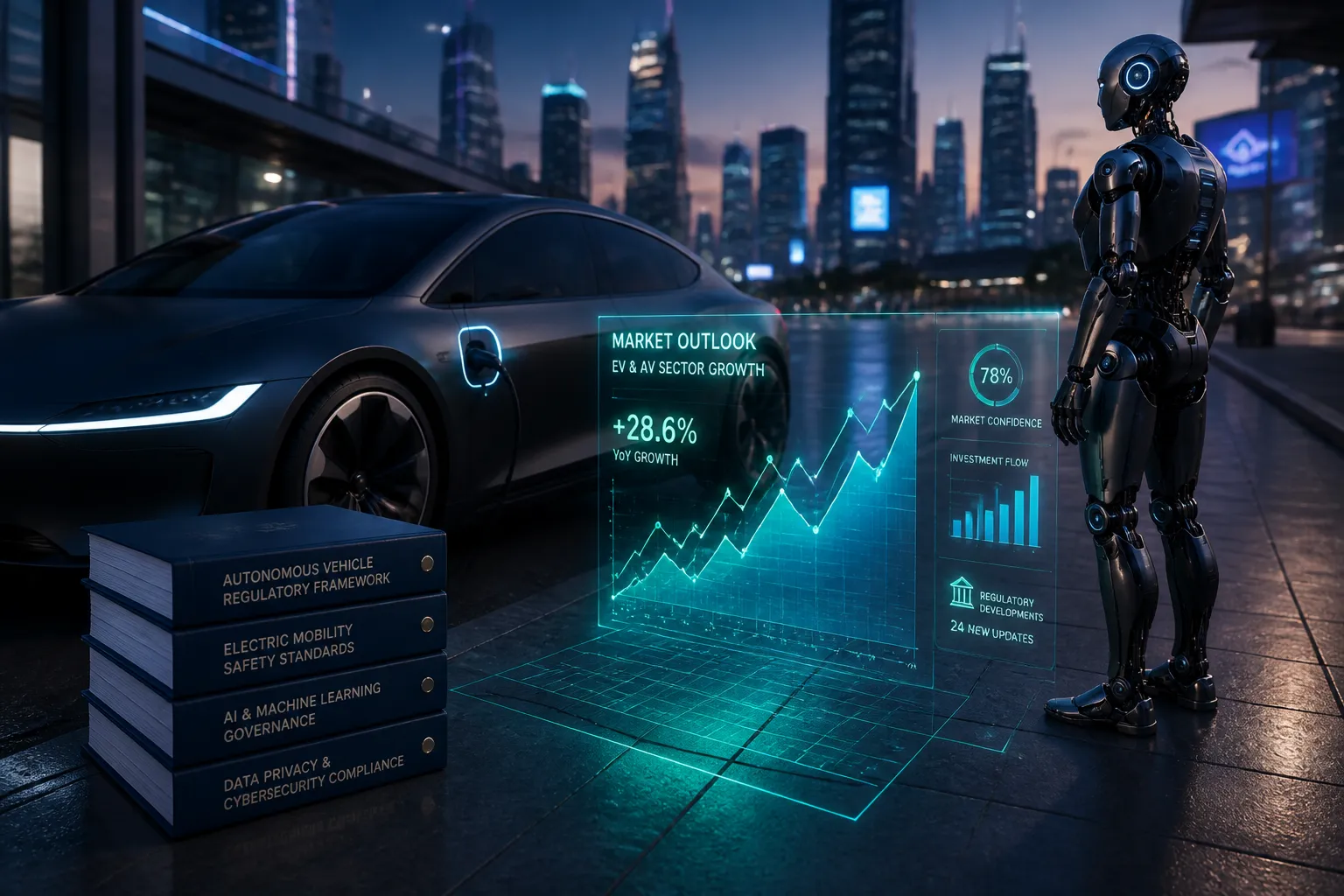
In the near term, Tesla is zeroing in on two high‑profile ventures: a robotaxi service and the Optimus humanoid robot. The robotaxi program faces a maze of regulatory hurdles. California’s Department of Motor Vehicles has yet to grant a permit for Tesla to test or operate autonomous vehicles without a driver, and the company has not filed for the required certification. Similar roadblocks exist in other U.S. states and across the European Union, where autonomous‑vehicle testing is governed by stringent safety and data‑privacy rules.
Optimus, unveiled at the 2021 AI Day, is a general‑purpose humanoid robot. Production is slated to begin on a pilot line at the Fremont factory, and Tesla says it intends to deliver the first useful units soon. In September 2025, Elon Musk told investors that 80 % of Tesla’s future value would stem from Optimus and other AI projects—a claim that underscores how critical the production timeline is to shareholder expectations.
Tesla’s broader business context remains impressive. The company holds the largest share of the global electric‑vehicle market, 17.6 % in 2024, and its market capitalization has trended above $1 trillion since late 2024. It has also been the most valuable U.S. automaker for several years. Yet the stock has slipped 12 % year‑to‑date in 2026, reflecting worries about the pace of its autonomous and robotics initiatives. Options activity suggests traders are preparing for a potential 7 % swing in either direction after the earnings announcement, according to a market‑data provider. Consensus earnings‑per‑share estimates sit at $1.05, a 12 % rise from the same quarter last year.
Leadership remains unchanged. Elon Musk continues as CEO and product architect, and the board has not announced any changes. Musk’s personal net worth, estimated at $917 billion as of July 10, 2026, is closely tied to Tesla stock and to a $1 trillion pay package that will vest over ten years if certain milestones are met.
In sum, the July 22 earnings call will clarify vehicle deliveries, energy‑storage revenue, and margin performance while shedding light on the status of autonomous‑vehicle testing and Optimus production. Investors will also watch for guidance on future capital expenditures and any regulatory updates that could affect the robotaxi rollout. No mergers, acquisitions, or other corporate actions have been announced at this time.
The next major corporate event is the Q2 earnings call on July 22, 2026. Stakeholders will focus on the company’s guidance, regulatory approvals, and the progress of its robotics ambitions as they weigh the implications for Tesla’s valuation and future growth prospects.
Investors have turned their attention to Tesla’s lofty valuation. Yahoo Finance notes the company’s forward price‑to‑earnings (P/E) sits near 180, while its trailing P/E hovers around 384. Those numbers are nearly twice the forward P/E of most legacy automakers, which typically range between 30 and 50. A Geneva‑based analyst, in an opinion piece, argued for a forward P/E of 16—equivalent to a share price of $33.60—but that figure lacks support from market data. The analyst’s calculation rested on a “Musk premium” that credits Tesla’s blend of hardware, software, and long‑term vision for value beyond vehicle manufacturing.
In the near term, Tesla is zeroing in on two high‑profile ventures: a robotaxi service and the Optimus humanoid robot. The robotaxi program faces a maze of regulatory hurdles. California’s Department of Motor Vehicles has yet to grant a permit for Tesla to test or operate autonomous vehicles without a driver, and the company has not filed for the required certification. Similar roadblocks exist in other U.S. states and across the European Union, where autonomous‑vehicle testing is governed by stringent safety and data‑privacy rules.
Optimus, unveiled at the 2021 AI Day, is a general‑purpose humanoid robot. Production is slated to begin on a pilot line at the Fremont factory, and Tesla says it intends to deliver the first useful units soon. In September 2025, Elon Musk told investors that 80 % of Tesla’s future value would stem from Optimus and other AI projects—a claim that underscores how critical the production timeline is to shareholder expectations.
Tesla’s broader business context remains impressive. The company holds the largest share of the global electric‑vehicle market, 17.6 % in 2024, and its market capitalization has trended above $1 trillion since late 2024. It has also been the most valuable U.S. automaker for several years. Yet the stock has slipped 12 % year‑to‑date in 2026, reflecting worries about the pace of its autonomous and robotics initiatives. Options activity suggests traders are preparing for a potential 7 % swing in either direction after the earnings announcement, according to a market‑data provider. Consensus earnings‑per‑share estimates sit at $1.05, a 12 % rise from the same quarter last year.
Leadership remains unchanged. Elon Musk continues as CEO and product architect, and the board has not announced any changes. Musk’s personal net worth, estimated at $917 billion as of July 10, 2026, is closely tied to Tesla stock and to a $1 trillion pay package that will vest over ten years if certain milestones are met.
In sum, the July 22 earnings call will clarify vehicle deliveries, energy‑storage revenue, and margin performance while shedding light on the status of autonomous‑vehicle testing and Optimus production. Investors will also watch for guidance on future capital expenditures and any regulatory updates that could affect the robotaxi rollout. No mergers, acquisitions, or other corporate actions have been announced at this time.
The next major corporate event is the Q2 earnings call on July 22, 2026. Stakeholders will focus on the company’s guidance, regulatory approvals, and the progress of its robotics ambitions as they weigh the implications for Tesla’s valuation and future growth prospects.