Blab Business
Energy Transfer Shifts $100 B Listing from NYSE to Texas Stock Exchange
When Energy Transfer LP announced Thursday that its shares would leave the venerable New York Stock Exchange for the newly‑launched Texas Stock Exchange, the move sent ripples through Wall Street. The Dallas‑based pipeline operator, valued at nearly $100 billion, said that its common units and those of three affiliates will begin trading on the Texas Stock Exchange (TXSE) on Oct. 5. The change shifts the companies’ primary listings from NYSE to TXSE while keeping their existing tickers and market capitalizations intact.
The transition aligns Energy Transfer’s Texas‑anchored legacy with TXSE’s technology‑driven platform. According to a Wall Street Journal report, CEO Kelcy Warren owns roughly 30 percent of TXSE Group, the parent company of the exchange, underscoring a personal and corporate interest in the new venue.
TXSE, which launched full trading on July 6 2026, is a national securities exchange headquartered in downtown Dallas. Its board and leadership are backed by major financial institutions—including JPMorgan Chase, Citadel Securities, BlackRock, Goldman Sachs, and Bank of America—giving the exchange a strong institutional foundation. The platform is fully electronic and designed to accept double listings for companies already on NYSE or Nasdaq, as well as exchange‑traded funds.
James Lee, TXSE’s chairman and CEO, called the Energy Transfer move a "watershed moment for capital markets." He added that the "movement of primary listings out of New York and into Texas has begun" and that the trend could reshape the broader listings landscape in the United States for decades.
The shift is part of a broader trend in which U.S. companies are reevaluating where they are headquartered, legally domiciled, and listed. Texas has positioned itself as a business‑friendly environment, adding institutions such as the Texas Business Court in 2023 to handle complex business disputes. ExxonMobil also moved its headquarters from New Jersey to Texas this year.
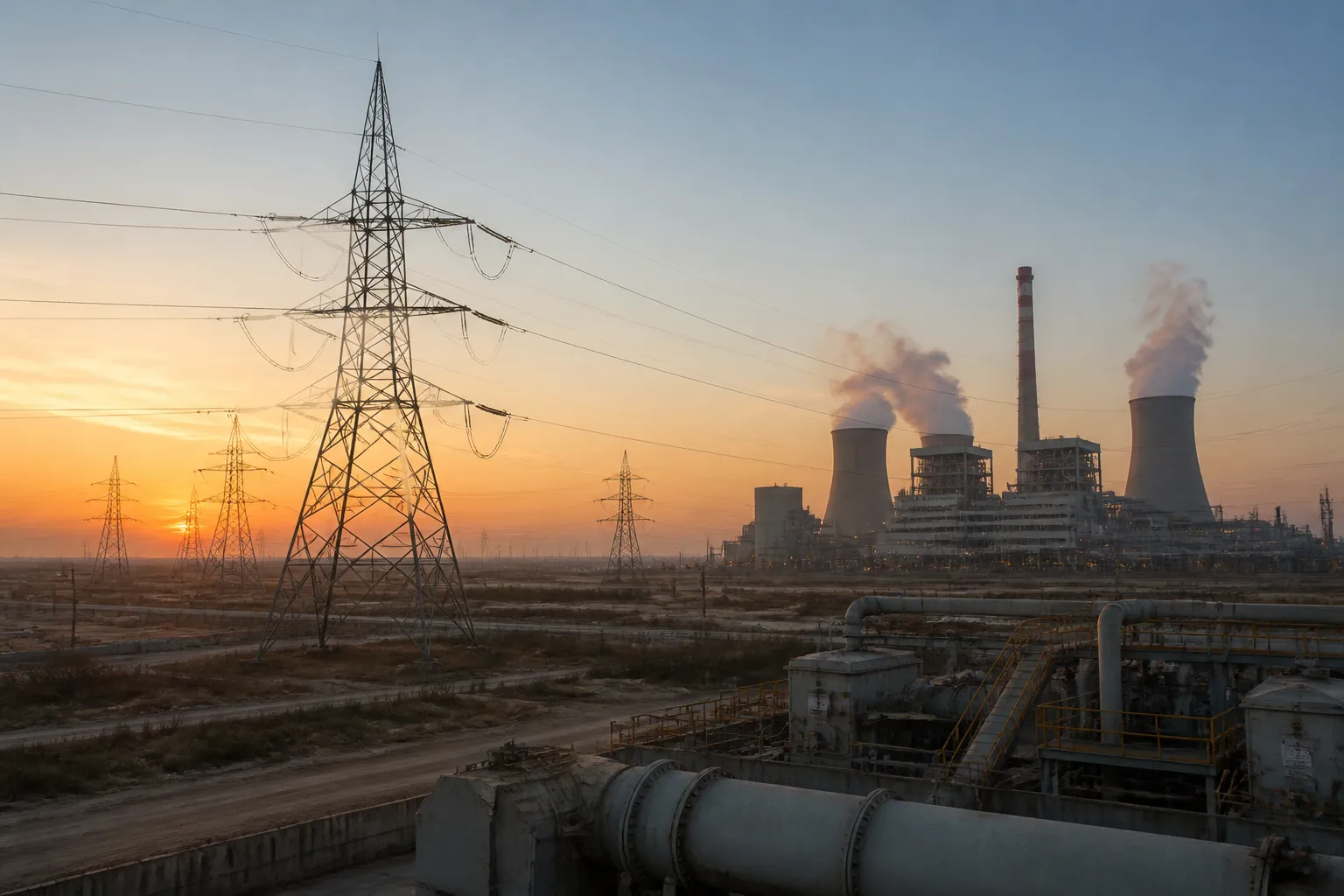
Energy Transfer’s pipeline network spans roughly 140,000 miles of lines that transport natural gas, crude oil, natural gas liquids (NGLs), refined products, and liquid natural gas. The company is one of the largest exporters of NGLs worldwide and one of the largest midstream operators in the United States.
The NYSE and Nasdaq maintain a virtual duopoly on stock listings. TXSE’s acquisition of Energy Transfer’s primary listings is therefore a significant win for the new exchange and for Texas’s ambition to become a global capital‑markets hub. The transaction does not involve a change of ticker symbols or a change in the companies’ market capitalizations; it simply moves the primary listing venue to TXSE, where trading will begin on Oct. 5. The companies will continue to be listed on NYSE and Nasdaq as secondary venues.
TXSE’s launch was made possible by a series of financing rounds that raised more than $270 million, with JPMorgan and other institutional investors joining the exchange’s board as observers. The exchange’s registration with the Securities and Exchange Commission was approved on Sept. 30 2025.
Energy Transfer’s decision to list on TXSE reflects the company’s long‑standing ties to Texas and its desire to align its capital‑markets presence with its operational base. The move also underscores Texas’s growing influence in the financial services sector.
The transition will be monitored by market participants and regulators. While the companies will remain subject to NYSE and Nasdaq listing requirements as secondary venues, the primary listing on TXSE will place them under TXSE’s regulatory framework.
The next key dates for Energy Transfer and its affiliates are the start of trading on TXSE on Oct. 5 and the ongoing compliance with TXSE’s listing rules. Investors and analysts will watch how the shift affects liquidity, trading volume, and market perception.
In the broader context, the move signals a potential shift in the U.S. capital‑markets landscape, with Texas emerging as a viable alternative to traditional New York‑based exchanges. The development will be closely followed by other companies considering similar moves.
The story remains in development as market participants assess the impact of the listing shift on trading dynamics and regulatory oversight. Energy Transfer’s shareholders and the Texas business community will likely be the most immediate observers of the outcome.
The transition aligns Energy Transfer’s Texas‑anchored legacy with TXSE’s technology‑driven platform. According to a Wall Street Journal report, CEO Kelcy Warren owns roughly 30 percent of TXSE Group, the parent company of the exchange, underscoring a personal and corporate interest in the new venue.
TXSE, which launched full trading on July 6 2026, is a national securities exchange headquartered in downtown Dallas. Its board and leadership are backed by major financial institutions—including JPMorgan Chase, Citadel Securities, BlackRock, Goldman Sachs, and Bank of America—giving the exchange a strong institutional foundation. The platform is fully electronic and designed to accept double listings for companies already on NYSE or Nasdaq, as well as exchange‑traded funds.
James Lee, TXSE’s chairman and CEO, called the Energy Transfer move a "watershed moment for capital markets." He added that the "movement of primary listings out of New York and into Texas has begun" and that the trend could reshape the broader listings landscape in the United States for decades.
The shift is part of a broader trend in which U.S. companies are reevaluating where they are headquartered, legally domiciled, and listed. Texas has positioned itself as a business‑friendly environment, adding institutions such as the Texas Business Court in 2023 to handle complex business disputes. ExxonMobil also moved its headquarters from New Jersey to Texas this year.
Energy Transfer’s pipeline network spans roughly 140,000 miles of lines that transport natural gas, crude oil, natural gas liquids (NGLs), refined products, and liquid natural gas. The company is one of the largest exporters of NGLs worldwide and one of the largest midstream operators in the United States.
The NYSE and Nasdaq maintain a virtual duopoly on stock listings. TXSE’s acquisition of Energy Transfer’s primary listings is therefore a significant win for the new exchange and for Texas’s ambition to become a global capital‑markets hub. The transaction does not involve a change of ticker symbols or a change in the companies’ market capitalizations; it simply moves the primary listing venue to TXSE, where trading will begin on Oct. 5. The companies will continue to be listed on NYSE and Nasdaq as secondary venues.
TXSE’s launch was made possible by a series of financing rounds that raised more than $270 million, with JPMorgan and other institutional investors joining the exchange’s board as observers. The exchange’s registration with the Securities and Exchange Commission was approved on Sept. 30 2025.
Energy Transfer’s decision to list on TXSE reflects the company’s long‑standing ties to Texas and its desire to align its capital‑markets presence with its operational base. The move also underscores Texas’s growing influence in the financial services sector.
The transition will be monitored by market participants and regulators. While the companies will remain subject to NYSE and Nasdaq listing requirements as secondary venues, the primary listing on TXSE will place them under TXSE’s regulatory framework.
The next key dates for Energy Transfer and its affiliates are the start of trading on TXSE on Oct. 5 and the ongoing compliance with TXSE’s listing rules. Investors and analysts will watch how the shift affects liquidity, trading volume, and market perception.
In the broader context, the move signals a potential shift in the U.S. capital‑markets landscape, with Texas emerging as a viable alternative to traditional New York‑based exchanges. The development will be closely followed by other companies considering similar moves.
The story remains in development as market participants assess the impact of the listing shift on trading dynamics and regulatory oversight. Energy Transfer’s shareholders and the Texas business community will likely be the most immediate observers of the outcome.