Blab Business
Amazon India Accelerates Quick-Commerce Rollout to 100 Cities
Amazon India is set to turn the cityscape on its head by expanding its ultra‑fast delivery service, Amazon Now, to 100 cities across the country. The company announced the move on 27 April 2026, revealing plans to deploy more than 1,000 micro‑fulfilment centres (MFCs) and a fleet of 1,000 electric delivery trucks.
"We were slow off the gate," country manager Samir Kumar told Mint after the announcement. “Our earlier same‑day and two‑hour model fell behind the new quick‑commerce market that now promises deliveries in minutes.” He added that Amazon is now prioritising the q‑commerce segment and will continue to add two to three new MFCs daily.
Amazon Now operates from compact, tech‑enabled warehouses positioned close to residential neighbourhoods. Each MFC stocks a curated assortment of daily‑essentials items and is linked to a local delivery network that can dispatch a product within 10 minutes. The strategy builds on Amazon’s 13‑year‑old fulfilment and seller infrastructure, which now underpins the rapid expansion.
The rollout is part of a broader bid to compete with established quick‑commerce players such as Zepto, Blinkit and Swiggy Instamart. Quick‑commerce has become one of India’s fastest‑growing digital‑economy segments, driven by urban consumers’ appetite for hyper‑fast, on‑demand deliveries. Amazon’s entry is expected to reshape the competitive landscape for e‑commerce giants like Flipkart and for Amazon itself.
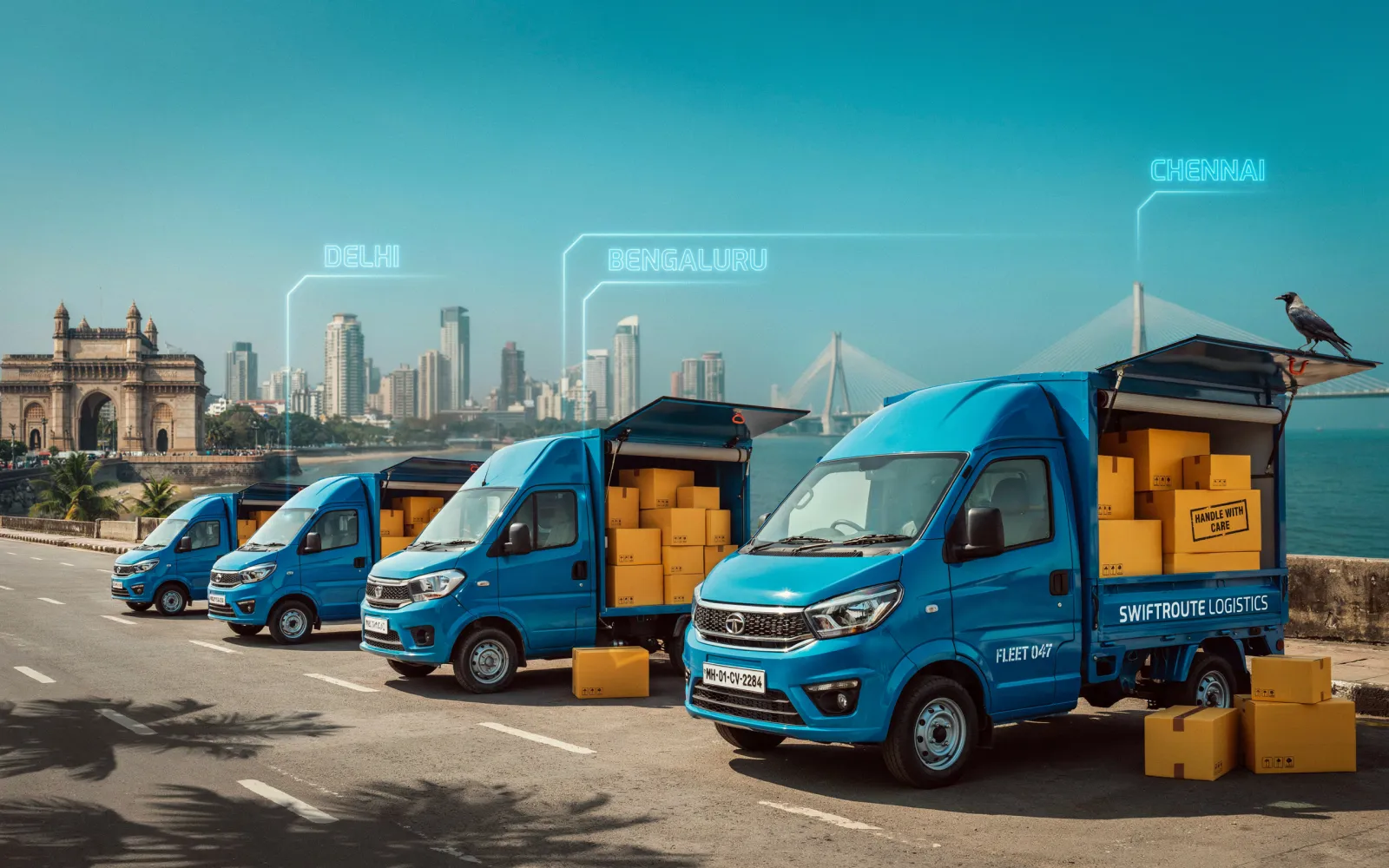
In addition to the MFC network, Amazon unveiled a 1,000‑truck electric fleet to support its 10‑minute delivery promise. The logistics plan also includes a Rs 2,000‑crore investment aimed at enhancing storage, sorting and last‑mile operations.
The service has already been tested in Bengaluru, where it launched in three pin codes with 10‑minute delivery. According to reports, the pilot was well received, prompting Amazon to accelerate its rollout to other major cities such as Delhi and Mumbai.
Amazon’s quick‑commerce push reflects a broader trend in India, where the pandemic‑era shift to home deliveries has accelerated the adoption of on‑demand retail. While the initial surge in demand has moderated in some markets, the convenience of minute‑level delivery remains a key differentiator for consumers.
Expanding to 100 cities will bring Amazon Now to a larger share of the urban population, potentially increasing the company’s market share in the daily‑essentials segment. The move also signals Amazon’s intent to leverage its existing logistics network and seller ecosystem to support a new, faster delivery model.
The company’s strategy is supported by a growing network of micro‑fulfilment centres, expected to exceed 1,000 by the end of 2026. These dark‑store facilities keep inventory close to consumers, reducing the time required for picking, packing and delivery.
As Amazon scales its quick‑commerce operations, it will need to manage the logistical complexity of operating a large fleet of electric trucks and maintaining high service levels across a wide geographic area. The company’s investment in technology and infrastructure is aimed at ensuring that the 10‑minute delivery promise can be met consistently.
The expansion also raises questions about regulatory oversight, particularly around last‑mile delivery operations and the use of electric vehicles in urban areas. Amazon has not yet disclosed specific regulatory approvals required for the new fleet.
In summary, Amazon India’s rapid expansion of Amazon Now to 100 cities, backed by a network of 1,000 micro‑fulfilment centres and a fleet of 1,000 electric delivery trucks, marks a significant shift in the country’s e‑commerce landscape. The company’s focus on minute‑level delivery positions it to compete directly with established quick‑commerce players and to capture a larger share of the growing demand for ultra‑fast retail services.
"We were slow off the gate," country manager Samir Kumar told Mint after the announcement. “Our earlier same‑day and two‑hour model fell behind the new quick‑commerce market that now promises deliveries in minutes.” He added that Amazon is now prioritising the q‑commerce segment and will continue to add two to three new MFCs daily.
Amazon Now operates from compact, tech‑enabled warehouses positioned close to residential neighbourhoods. Each MFC stocks a curated assortment of daily‑essentials items and is linked to a local delivery network that can dispatch a product within 10 minutes. The strategy builds on Amazon’s 13‑year‑old fulfilment and seller infrastructure, which now underpins the rapid expansion.
The rollout is part of a broader bid to compete with established quick‑commerce players such as Zepto, Blinkit and Swiggy Instamart. Quick‑commerce has become one of India’s fastest‑growing digital‑economy segments, driven by urban consumers’ appetite for hyper‑fast, on‑demand deliveries. Amazon’s entry is expected to reshape the competitive landscape for e‑commerce giants like Flipkart and for Amazon itself.
In addition to the MFC network, Amazon unveiled a 1,000‑truck electric fleet to support its 10‑minute delivery promise. The logistics plan also includes a Rs 2,000‑crore investment aimed at enhancing storage, sorting and last‑mile operations.
The service has already been tested in Bengaluru, where it launched in three pin codes with 10‑minute delivery. According to reports, the pilot was well received, prompting Amazon to accelerate its rollout to other major cities such as Delhi and Mumbai.
Amazon’s quick‑commerce push reflects a broader trend in India, where the pandemic‑era shift to home deliveries has accelerated the adoption of on‑demand retail. While the initial surge in demand has moderated in some markets, the convenience of minute‑level delivery remains a key differentiator for consumers.
Expanding to 100 cities will bring Amazon Now to a larger share of the urban population, potentially increasing the company’s market share in the daily‑essentials segment. The move also signals Amazon’s intent to leverage its existing logistics network and seller ecosystem to support a new, faster delivery model.
The company’s strategy is supported by a growing network of micro‑fulfilment centres, expected to exceed 1,000 by the end of 2026. These dark‑store facilities keep inventory close to consumers, reducing the time required for picking, packing and delivery.
As Amazon scales its quick‑commerce operations, it will need to manage the logistical complexity of operating a large fleet of electric trucks and maintaining high service levels across a wide geographic area. The company’s investment in technology and infrastructure is aimed at ensuring that the 10‑minute delivery promise can be met consistently.
The expansion also raises questions about regulatory oversight, particularly around last‑mile delivery operations and the use of electric vehicles in urban areas. Amazon has not yet disclosed specific regulatory approvals required for the new fleet.
In summary, Amazon India’s rapid expansion of Amazon Now to 100 cities, backed by a network of 1,000 micro‑fulfilment centres and a fleet of 1,000 electric delivery trucks, marks a significant shift in the country’s e‑commerce landscape. The company’s focus on minute‑level delivery positions it to compete directly with established quick‑commerce players and to capture a larger share of the growing demand for ultra‑fast retail services.