Blab Business
Aldi Unveils Rose Colour Guide After Research Shows 103 m of Wine Wasted Each Year
Aldi’s new Rosé Swatch keyring is a tiny, pocket‑sized answer to a surprisingly large waste problem in the UK wine market.
The supermarket chain’s launch follows a July study that found 31 % of adults turned down a glass of rosé because the colour didn’t appeal to them. The rejected bottles are estimated to be worth more than £103 million each year.
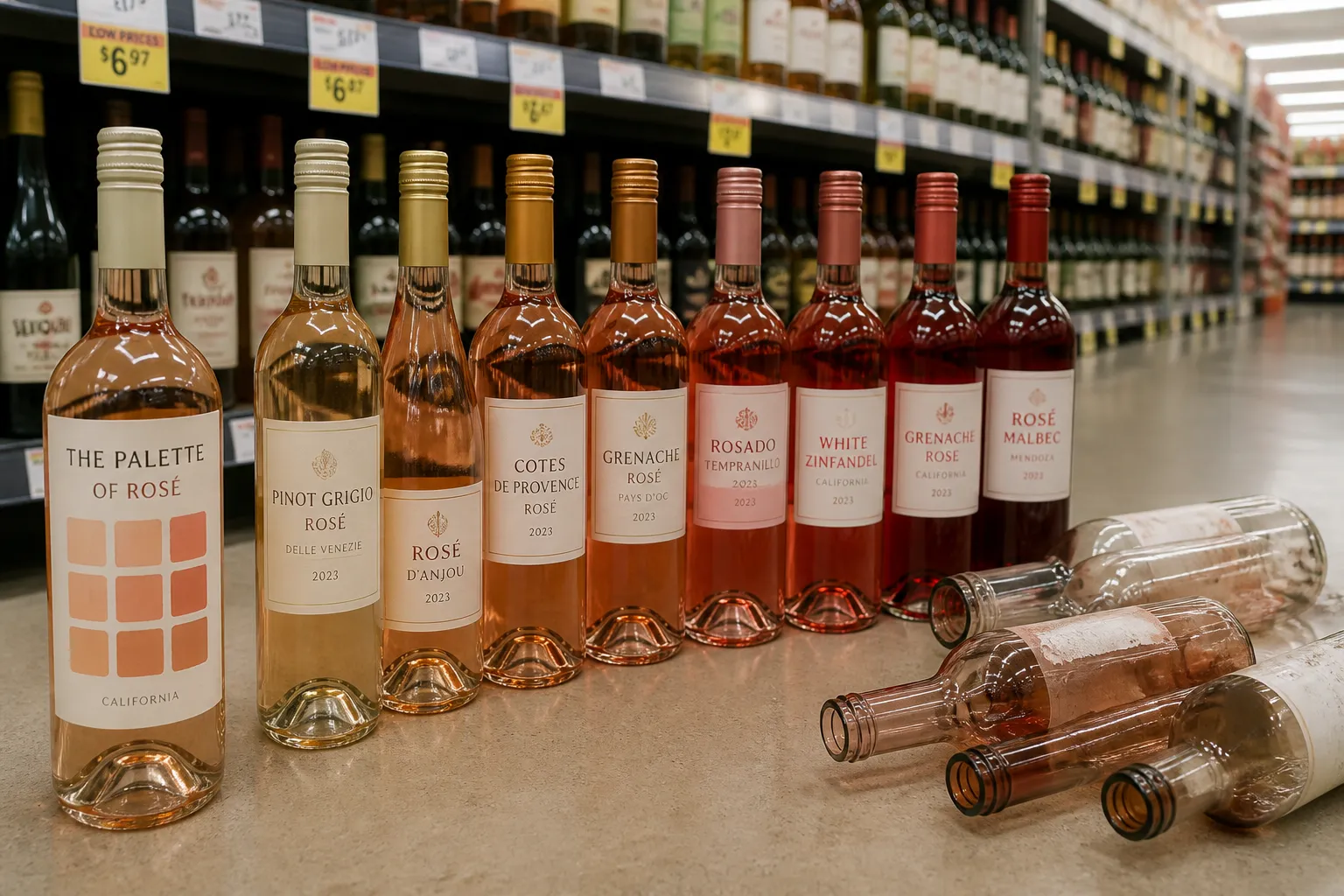
The same research revealed that colour is a decisive factor for more than half of respondents: 56 % say it matters when buying rosé, and 23 % always choose a bottle based on its shade. The most popular hue is a light Provence‑style blush, chosen by 40.9 % of participants. Pale salmon (20.6 %) and a lighter Italian pink (6.4 %) follow, while only 6.3 % favour darker rosés.
Aldi’s keyring contains nine swatches that mirror the shades of rosé bottles in the retailer’s own range. Shoppers can use the guide to spot their preferred colour before purchase, or to communicate a specific shade to staff at bars and restaurants. The company says the tool will cut the number of bottles rejected for colour reasons.
Julie Ashfield, Aldi UK’s chief commercial officer, said the initiative comes at a time when rosé sales are outpacing other parts of the UK wine market. She highlighted that Aldi’s Chassaux et Fils Sainte Victoire Rosé has doubled year‑on‑year, while Costellore Primitivo Rosé sales have risen 64 %. Ashfield added that the recent summer heat has driven demand, with consumers expecting to drink an average of 20 glasses over the season.
Wine expert Sam Caporn MW cautioned that colour does not equate to quality. “Many of us think a pale rosé is automatically ‘better’, but that’s just not true,” Caporn said. She explained that paler hues tend to be lighter and more delicate, whereas darker rosés, such as those made from Primitivo or Syrah, can offer deeper fruit flavours and pair well with food.
The study also uncovered gaps in consumer knowledge about rosé production. More than half of respondents (56 %) incorrectly believed that rosé is made by mixing red and white grapes, and 16 % thought it came from a distinct variety of “rosé grapes”. The research found that 6.9 °C is the ideal serving temperature, and that most consumers believe bottles should be chilled for one to three hours.
Industry data show that UK rosé volumes rose 3 % in 2025, with value sales increasing 5 % to £882 million. The growth has been driven largely by affordable French brands priced below £10, including La Vieille Ferme, La P’tite Pierre, Le Bijou de Sophie Valrose and Studio by Miraval.
Aldi’s limited‑edition Rosé Swatch will be distributed through a giveaway; entries are accepted by email until 11 August 2026. The campaign is part of a broader effort by discount retailers to offer tools that help consumers make more informed purchasing decisions.
The launch comes at a time when rosé remains a key growth area for the UK wine sector, and when consumers are increasingly attentive to product attributes such as colour and price. While the supermarket has not yet reported any impact on sales volumes, the initiative could influence buying patterns by reducing the number of bottles rejected on the basis of shade.
As the summer season continues, Aldi will monitor the uptake of the keyring and any changes in rosé sales. The company has not yet announced plans for further product‑related promotions, but the Rosé Swatch represents a tangible response to consumer research that highlights the importance of colour in wine buying decisions.
The supermarket chain’s launch follows a July study that found 31 % of adults turned down a glass of rosé because the colour didn’t appeal to them. The rejected bottles are estimated to be worth more than £103 million each year.
The same research revealed that colour is a decisive factor for more than half of respondents: 56 % say it matters when buying rosé, and 23 % always choose a bottle based on its shade. The most popular hue is a light Provence‑style blush, chosen by 40.9 % of participants. Pale salmon (20.6 %) and a lighter Italian pink (6.4 %) follow, while only 6.3 % favour darker rosés.
Aldi’s keyring contains nine swatches that mirror the shades of rosé bottles in the retailer’s own range. Shoppers can use the guide to spot their preferred colour before purchase, or to communicate a specific shade to staff at bars and restaurants. The company says the tool will cut the number of bottles rejected for colour reasons.
Julie Ashfield, Aldi UK’s chief commercial officer, said the initiative comes at a time when rosé sales are outpacing other parts of the UK wine market. She highlighted that Aldi’s Chassaux et Fils Sainte Victoire Rosé has doubled year‑on‑year, while Costellore Primitivo Rosé sales have risen 64 %. Ashfield added that the recent summer heat has driven demand, with consumers expecting to drink an average of 20 glasses over the season.
Wine expert Sam Caporn MW cautioned that colour does not equate to quality. “Many of us think a pale rosé is automatically ‘better’, but that’s just not true,” Caporn said. She explained that paler hues tend to be lighter and more delicate, whereas darker rosés, such as those made from Primitivo or Syrah, can offer deeper fruit flavours and pair well with food.
The study also uncovered gaps in consumer knowledge about rosé production. More than half of respondents (56 %) incorrectly believed that rosé is made by mixing red and white grapes, and 16 % thought it came from a distinct variety of “rosé grapes”. The research found that 6.9 °C is the ideal serving temperature, and that most consumers believe bottles should be chilled for one to three hours.
Industry data show that UK rosé volumes rose 3 % in 2025, with value sales increasing 5 % to £882 million. The growth has been driven largely by affordable French brands priced below £10, including La Vieille Ferme, La P’tite Pierre, Le Bijou de Sophie Valrose and Studio by Miraval.
Aldi’s limited‑edition Rosé Swatch will be distributed through a giveaway; entries are accepted by email until 11 August 2026. The campaign is part of a broader effort by discount retailers to offer tools that help consumers make more informed purchasing decisions.
The launch comes at a time when rosé remains a key growth area for the UK wine sector, and when consumers are increasingly attentive to product attributes such as colour and price. While the supermarket has not yet reported any impact on sales volumes, the initiative could influence buying patterns by reducing the number of bottles rejected on the basis of shade.
As the summer season continues, Aldi will monitor the uptake of the keyring and any changes in rosé sales. The company has not yet announced plans for further product‑related promotions, but the Rosé Swatch represents a tangible response to consumer research that highlights the importance of colour in wine buying decisions.