Blab Business
Anthropic Urges Global AI Freeze Amid New Model, Market Surge, and Regulatory Scrutiny
On June 4, Anthropic Inc., the San Francisco‑based developer of the Claude family of large‑language models, released a statement that could pause the AI race worldwide. The company’s appeal follows a blog post titled “When AI builds itself,” in which Anthropic explains that its newest model, Mythos, can write its own code and propose experiments—an early step toward recursive self‑improvement.
In the post, Anthropic notes that the human role in AI development is shrinking as models take on more of the design and training tasks. The company concludes that, if a mechanism for global coordination existed, slowing the pace of frontier AI could be beneficial. Anthropic does not claim such a mechanism is in place, nor does it identify any specific countries that would be involved.
Mythos, Anthropic’s most advanced model to date, was revealed in early April as a tool for finding software vulnerabilities. The company has chosen not to release the model publicly, citing safety and misuse concerns. Instead, it has created Project Glasswing, a program that grants a limited group of companies access to Mythos for defensive testing. The program reportedly includes around 150 firms, many of which are based in democratic nations, and a handful of Australian companies were invited last week. Anthropic’s chief executive, Dario Amodei, has said that the initiative is intended to keep democracies ahead of autocracies.
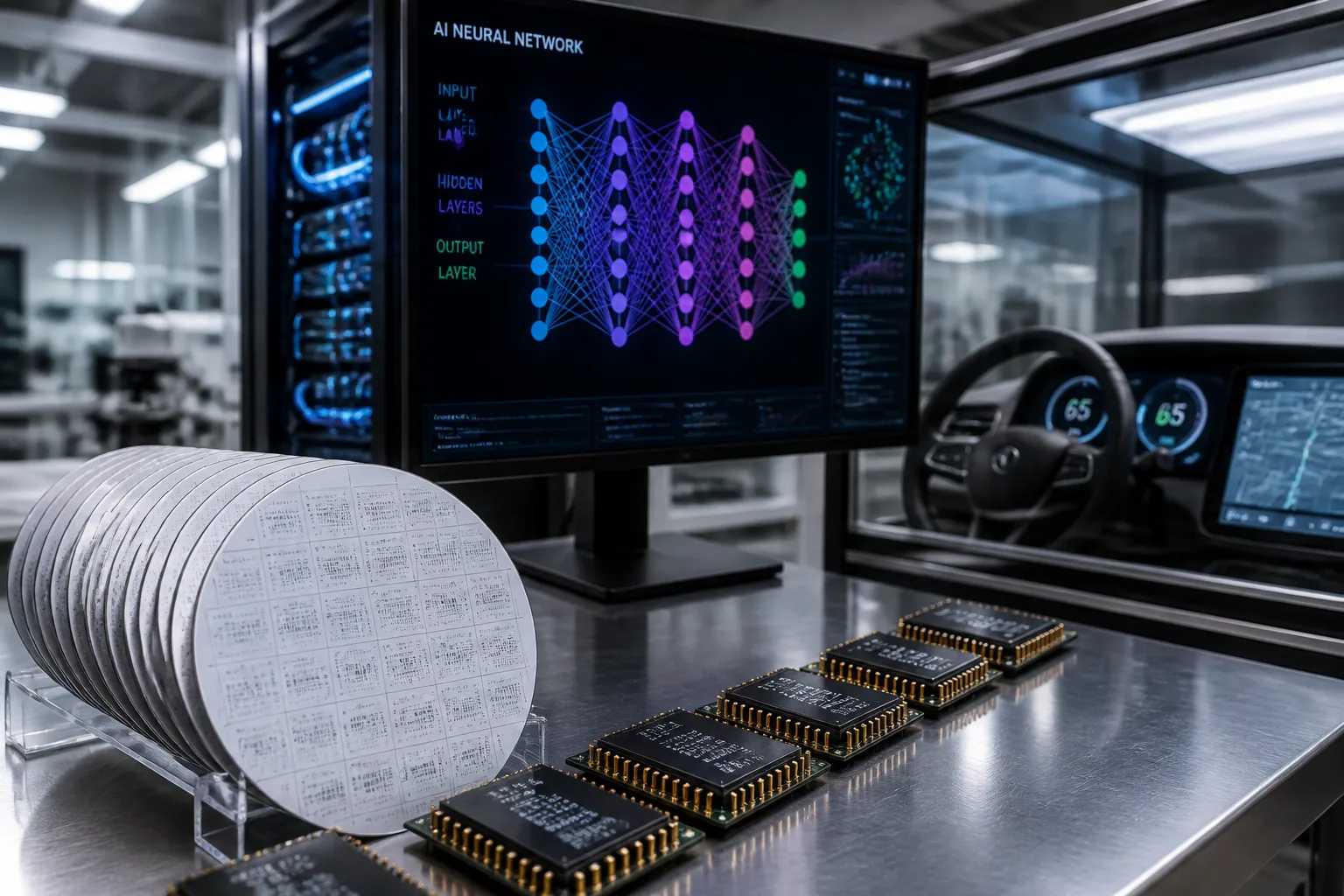
The announcement came a few days after the global equity market rebounded from a six‑month decline. On March 30, AI‑listed stocks helped lift the S&P 500 by 20 percent, and the eight largest AI companies saw a 32 percent rise. Analysts have described the rebound as a new “wind” for the AI bubble, although the bubble’s characteristics differ from past tech surges. Semiconductor shares, for example, have risen sixfold in six months, reflecting the high compute demand for AI inference.
Regulatory attention has also intensified. China enacted a law on the emotional use of humanoid AI robots, prohibiting excessive emotional manipulation and dependency. In the United States, the Department of Defense has designated Anthropic a supply‑chain risk after the company refused to remove contractual restrictions on the use of its models for mass surveillance and autonomous weapons. A federal judge issued a temporary injunction against that designation on March 26.
Industry observers note that the market is moving toward a three‑layer structure. GPU vendors, cloud providers, and LLM APIs are expected to become utility‑like businesses, while retrieval‑augmented generation (RAG) frameworks and domain‑specific models could offer higher margins. Vertical products that embed LLMs—such as copilots and workflow tools—may provide the most attractive unit economics, as customers pay for outcomes rather than raw token usage.
Anthropic’s valuation was estimated at $965 billion in May 2026, and the company is preparing for a public float. OpenAI and SpaceX are also in the process of planning IPOs. Investors are watching for signals that the high‑margin phase of AI will transition to a low‑margin utility model, and for how regulatory developments will affect the industry’s growth trajectory.
The current situation remains fluid. Anthropic’s call for a global pause has not been adopted by any international body, and the company’s decision to restrict Mythos to a select group of firms continues to raise questions about the balance between innovation and security. The next few months will likely see further market volatility, regulatory actions, and corporate moves that will shape the next chapter of AI development.
In the post, Anthropic notes that the human role in AI development is shrinking as models take on more of the design and training tasks. The company concludes that, if a mechanism for global coordination existed, slowing the pace of frontier AI could be beneficial. Anthropic does not claim such a mechanism is in place, nor does it identify any specific countries that would be involved.
Mythos, Anthropic’s most advanced model to date, was revealed in early April as a tool for finding software vulnerabilities. The company has chosen not to release the model publicly, citing safety and misuse concerns. Instead, it has created Project Glasswing, a program that grants a limited group of companies access to Mythos for defensive testing. The program reportedly includes around 150 firms, many of which are based in democratic nations, and a handful of Australian companies were invited last week. Anthropic’s chief executive, Dario Amodei, has said that the initiative is intended to keep democracies ahead of autocracies.
The announcement came a few days after the global equity market rebounded from a six‑month decline. On March 30, AI‑listed stocks helped lift the S&P 500 by 20 percent, and the eight largest AI companies saw a 32 percent rise. Analysts have described the rebound as a new “wind” for the AI bubble, although the bubble’s characteristics differ from past tech surges. Semiconductor shares, for example, have risen sixfold in six months, reflecting the high compute demand for AI inference.
Regulatory attention has also intensified. China enacted a law on the emotional use of humanoid AI robots, prohibiting excessive emotional manipulation and dependency. In the United States, the Department of Defense has designated Anthropic a supply‑chain risk after the company refused to remove contractual restrictions on the use of its models for mass surveillance and autonomous weapons. A federal judge issued a temporary injunction against that designation on March 26.
Industry observers note that the market is moving toward a three‑layer structure. GPU vendors, cloud providers, and LLM APIs are expected to become utility‑like businesses, while retrieval‑augmented generation (RAG) frameworks and domain‑specific models could offer higher margins. Vertical products that embed LLMs—such as copilots and workflow tools—may provide the most attractive unit economics, as customers pay for outcomes rather than raw token usage.
Anthropic’s valuation was estimated at $965 billion in May 2026, and the company is preparing for a public float. OpenAI and SpaceX are also in the process of planning IPOs. Investors are watching for signals that the high‑margin phase of AI will transition to a low‑margin utility model, and for how regulatory developments will affect the industry’s growth trajectory.
The current situation remains fluid. Anthropic’s call for a global pause has not been adopted by any international body, and the company’s decision to restrict Mythos to a select group of firms continues to raise questions about the balance between innovation and security. The next few months will likely see further market volatility, regulatory actions, and corporate moves that will shape the next chapter of AI development.