Blab Business
Australias AI Regulation Shift Sparks Debate Over Safety, Data-Centre Expansion and Copyright Law
In a surprising reversal, Australia has abandoned its most ambitious AI guardrail proposal after the 2025 election, igniting a sharp debate about safety, data‑centre expansion and copyright law.
Ed Husic, who served as Minister for Industry and Science until May 2025, told Four Corners that the federal government “blinked” in the face of U.S. President Donald Trump and tech entrepreneur Elon Musk, who had criticised Australian social‑media laws. According to Husic, the government’s decision to drop a mandatory AI Act was a reaction to external pressure rather than a principled policy shift.
The proposed AI Act would have required companies to implement safety measures for high‑risk AI systems, protect children, preserve civil liberties and ensure judicial rights. Husic said the policy was shelved after he was removed from the ministry in a factional deal and the proposal was dropped by the end of 2025.
Minister for Industry and Science Tim Ayres disagreed with Husic’s assessment. In the same interview, Ayres said the decision to abandon the guard‑rail proposal was unrelated to Trump. He highlighted the government’s existing legislation, including a law that limits under‑16s’ access to social media, and the creation of an Artificial Intelligence Safety Institute that would coordinate government, community and expert efforts.
The government’s National AI Plan, unveiled in December 2025, emphasises that current laws are sufficient to manage AI risks. The plan cites Australia’s “robust privacy protections” as a foundation for AI governance. Professor Ed Santow of the Human Technology Institute, who led a human‑rights inquiry into AI, criticised the claim, arguing that privacy law was outdated and not designed for the AI era.
Husic expressed concern that the shift from a proactive regulatory stance to a hands‑off approach could expose Australians to future harm. He warned that the government had missed an opportunity to “rein in risk” and maximise AI benefits.
In April 2026, two major U.S. AI firms visited Canberra. Anthropic’s CEO Dario Amodei signed a memorandum of understanding with the government to collaborate on AI benefits, while Microsoft CEO Satya Nadella announced a $25 billion investment in Australian data‑centre infrastructure. Senator Ayres said the companies were attracted by Australia’s stable, democratic environment and abundant clean energy.
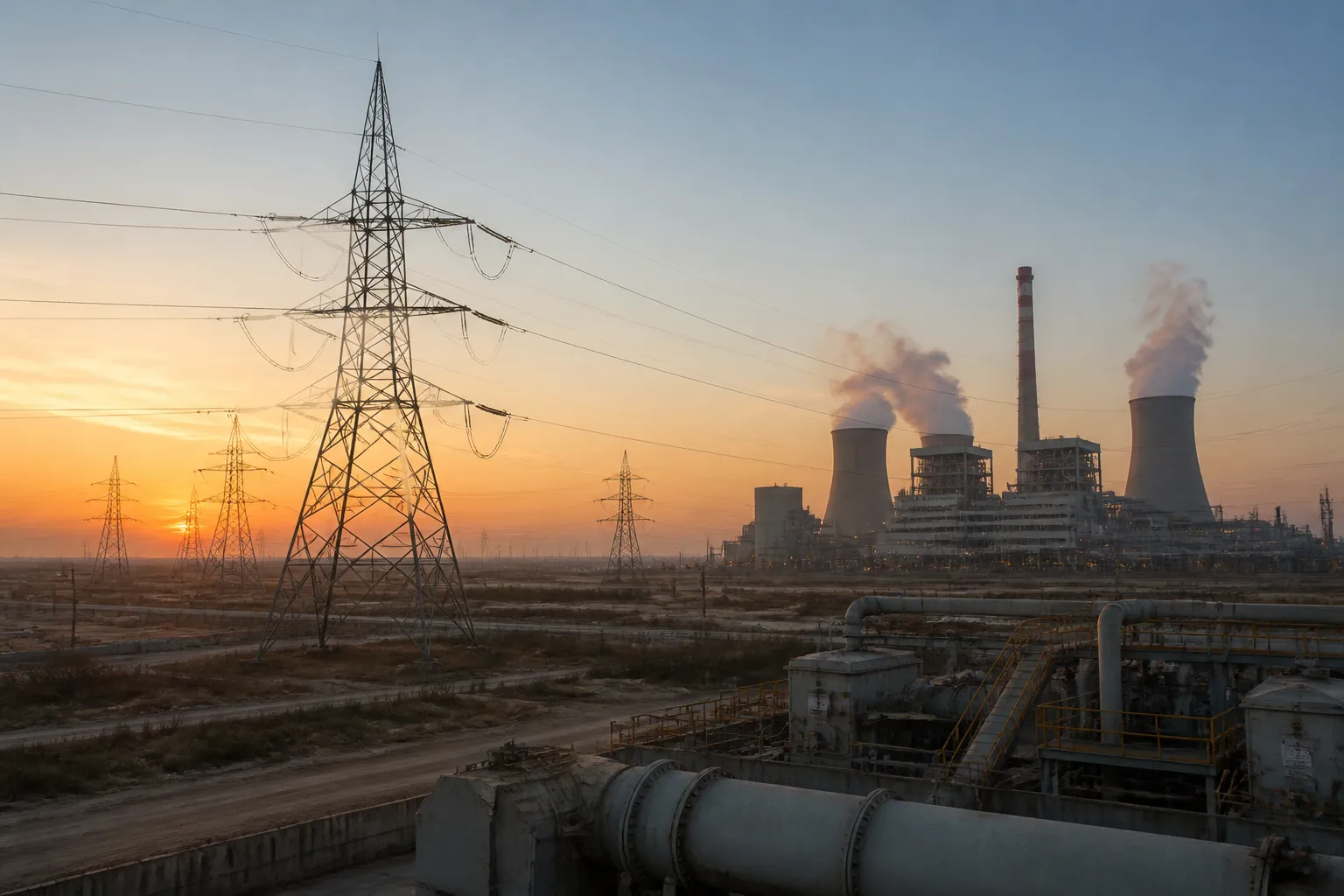
Anthropic has indicated plans to build data‑centres that would use 5 GW of electricity by 2030, with a longer‑term goal of 20 GW. The company said it would partner with the community and contribute to grid resilience. The Australian government described the discussions as commercial in confidence. Former chief scientist Alan Finkel noted that achieving a 20 GW increase would be difficult given current renewable and gas expansion plans.
Data‑centres require large amounts of water for cooling and generate significant heat, raising concerns about pressure on Australia’s water supplies and emissions‑reduction targets. The government has highlighted the need to balance investment with environmental commitments.
Another regulatory hurdle is copyright law. The Tech Council of Australia has lobbied for an exemption that would allow AI companies to train models on local data without obtaining licences from every copyright holder. The council’s chair, Scott Farquhar, said without such a change, training AI in Australia would be impossible. APRA AMCOS CEO Dean Ormston criticised the lobbying, calling it a theft of creative work.
Ayres said the government would not weaken copyright protections, citing the importance of safeguarding Australian artists. He framed the debate as a clash between the need for AI innovation and the protection of intellectual property.
The Australian government’s pivot away from mandatory AI guardrails, coupled with large‑scale data‑centre investment, has sparked debate over whether the country’s regulatory framework can keep pace with rapid AI development. The issue remains unresolved as the government continues to promote investment while balancing safety, privacy, environmental and copyright concerns.
The debate will likely intensify ahead of the next federal budget and the government’s forthcoming AI policy review. Stakeholders will watch how the government addresses the tension between fostering AI innovation and protecting consumers, children, and the environment.
Ed Husic, who served as Minister for Industry and Science until May 2025, told Four Corners that the federal government “blinked” in the face of U.S. President Donald Trump and tech entrepreneur Elon Musk, who had criticised Australian social‑media laws. According to Husic, the government’s decision to drop a mandatory AI Act was a reaction to external pressure rather than a principled policy shift.
The proposed AI Act would have required companies to implement safety measures for high‑risk AI systems, protect children, preserve civil liberties and ensure judicial rights. Husic said the policy was shelved after he was removed from the ministry in a factional deal and the proposal was dropped by the end of 2025.
Minister for Industry and Science Tim Ayres disagreed with Husic’s assessment. In the same interview, Ayres said the decision to abandon the guard‑rail proposal was unrelated to Trump. He highlighted the government’s existing legislation, including a law that limits under‑16s’ access to social media, and the creation of an Artificial Intelligence Safety Institute that would coordinate government, community and expert efforts.
The government’s National AI Plan, unveiled in December 2025, emphasises that current laws are sufficient to manage AI risks. The plan cites Australia’s “robust privacy protections” as a foundation for AI governance. Professor Ed Santow of the Human Technology Institute, who led a human‑rights inquiry into AI, criticised the claim, arguing that privacy law was outdated and not designed for the AI era.
Husic expressed concern that the shift from a proactive regulatory stance to a hands‑off approach could expose Australians to future harm. He warned that the government had missed an opportunity to “rein in risk” and maximise AI benefits.
In April 2026, two major U.S. AI firms visited Canberra. Anthropic’s CEO Dario Amodei signed a memorandum of understanding with the government to collaborate on AI benefits, while Microsoft CEO Satya Nadella announced a $25 billion investment in Australian data‑centre infrastructure. Senator Ayres said the companies were attracted by Australia’s stable, democratic environment and abundant clean energy.
Anthropic has indicated plans to build data‑centres that would use 5 GW of electricity by 2030, with a longer‑term goal of 20 GW. The company said it would partner with the community and contribute to grid resilience. The Australian government described the discussions as commercial in confidence. Former chief scientist Alan Finkel noted that achieving a 20 GW increase would be difficult given current renewable and gas expansion plans.
Data‑centres require large amounts of water for cooling and generate significant heat, raising concerns about pressure on Australia’s water supplies and emissions‑reduction targets. The government has highlighted the need to balance investment with environmental commitments.
Another regulatory hurdle is copyright law. The Tech Council of Australia has lobbied for an exemption that would allow AI companies to train models on local data without obtaining licences from every copyright holder. The council’s chair, Scott Farquhar, said without such a change, training AI in Australia would be impossible. APRA AMCOS CEO Dean Ormston criticised the lobbying, calling it a theft of creative work.
Ayres said the government would not weaken copyright protections, citing the importance of safeguarding Australian artists. He framed the debate as a clash between the need for AI innovation and the protection of intellectual property.
The Australian government’s pivot away from mandatory AI guardrails, coupled with large‑scale data‑centre investment, has sparked debate over whether the country’s regulatory framework can keep pace with rapid AI development. The issue remains unresolved as the government continues to promote investment while balancing safety, privacy, environmental and copyright concerns.
The debate will likely intensify ahead of the next federal budget and the government’s forthcoming AI policy review. Stakeholders will watch how the government addresses the tension between fostering AI innovation and protecting consumers, children, and the environment.