Blab Business
Lakota Sisters Rosebud Building Products Wins South Dakota Woman-Owned Small Business Award
Ellen and Serena Harmon, two Lakota sisters raised in Minnesota, turned a quiet kitchen into a thriving enterprise in 2005. After their mother’s death, the sisters pooled the life‑insurance proceeds from their family and launched Rosebud Building Products in a mobile‑home kitchen on the Rosebud Reservation. Twenty‑five years later, the company has grown into three divisions—Rosebud Building Products, Rosebud Rental, and RBP Supply—employing 15 people and supplying building materials, equipment rentals, and procurement services to tribal, federal, and regional clients across South Dakota.
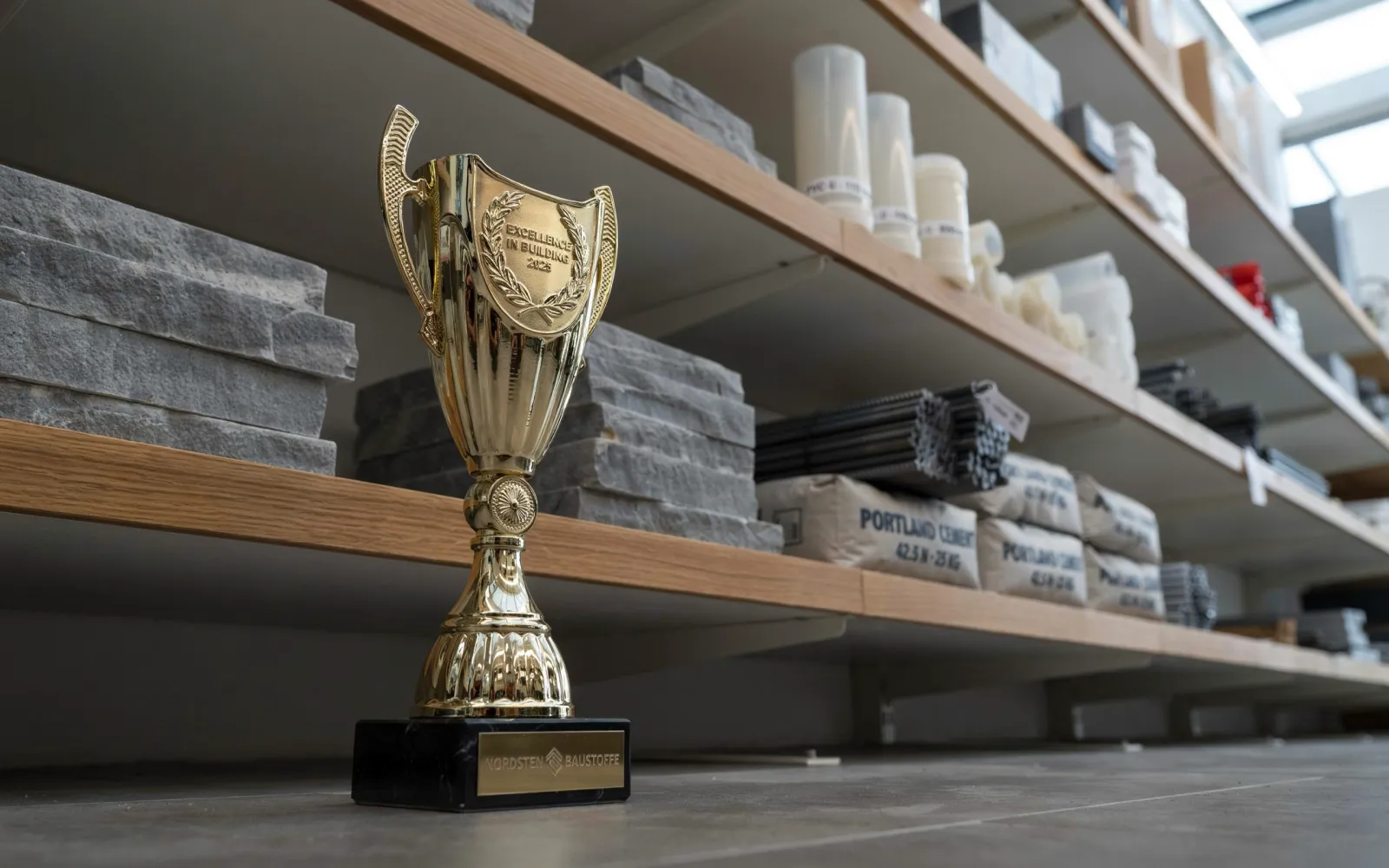
The U.S. Small Business Administration recognized the sisters’ perseverance on March 30, 2026, when the South Dakota District Office named Rosebud Building Products the state’s Woman‑Owned Small Business of the Year. The award, announced by the SBA, celebrates the company’s expansion and its positive impact on the local economy.
“It was such an honor,” Serena Harmon said. “To be given this award just shows how far we’ve come and gives us additional credibility.”
The Harmon sisters’ journey began in a modest kitchen. “When our mom passed away, we pooled the money together between the six of us siblings and started our business in a kitchen,” Ellen recalled. The early operation operated from a brother’s mobile‑home kitchen and a Quonset structure that housed their supplies.
Today, Rosebud Building Products serves a wide range of clients. The company supplies lumber, hardware, and other building materials, rents equipment for construction projects, and offers procurement services that help tribal and federal agencies meet their construction needs. The sisters emphasize that their business is rooted in community. “We’re women‑owned, we’re Native‑owned, and we’re operating in a male‑dominated industry,” Serena noted. “Sometimes it’s a challenge to be taken seriously.”
Beyond its commercial operations, the company has pursued community‑focused projects. Two years ago, the Harmon sisters purchased property with assistance from Native CDFI Lakota Funds, a Native community‑development financial institution that supports Indigenous entrepreneurs. The new site now hosts a harvest market, a venture that the sisters described as "super exciting."
The sisters also contributed to a federal grant program. "One project with the Safety of Dams Program was really fun," Ellen said. "They had a grant for a tribal program but could not get anybody to help engineer the designs, so I sat down with the director and helped design 20 pavilions and support the dock areas that are being installed now."
The SBA award underscores the sisters’ perseverance. "It is especially meaningful because we get to make our community proud," Serena added. "There are more and more success stories coming out of Indian Country every day, and that representation matters."
The Harmon sisters offer advice to aspiring entrepreneurs. Ellen said, "People feel like they have to have everything perfect before they get started or have to have everything in place, but I just say just baby step it. Just go for it." Serena echoed that sentiment, noting that she did not attend formal training. "I didn’t go to school for this. People ask if I went to building school or architecture school and how I learned all of this. I tell them no … I just stay up all night researching and if I don’t know what something is, I learn it."
Rosebud Building Products’ success illustrates the potential for women‑owned and Native‑owned businesses to thrive in a traditionally male‑dominated industry. The company’s growth, community projects and recent SBA recognition position it as a model for Indigenous entrepreneurship in South Dakota.
The sisters continue to focus on expanding their services and supporting local construction projects. Their next steps include further development of the harvest market and continued participation in tribal and federal procurement programs. The company’s trajectory remains a testament to the resilience and entrepreneurial spirit of the Lakota people.
The Harmon sisters’ story is a reminder that opportunities exist on reservations and that community‑based businesses can achieve significant growth while serving local needs.
The U.S. Small Business Administration recognized the sisters’ perseverance on March 30, 2026, when the South Dakota District Office named Rosebud Building Products the state’s Woman‑Owned Small Business of the Year. The award, announced by the SBA, celebrates the company’s expansion and its positive impact on the local economy.
“It was such an honor,” Serena Harmon said. “To be given this award just shows how far we’ve come and gives us additional credibility.”
The Harmon sisters’ journey began in a modest kitchen. “When our mom passed away, we pooled the money together between the six of us siblings and started our business in a kitchen,” Ellen recalled. The early operation operated from a brother’s mobile‑home kitchen and a Quonset structure that housed their supplies.
Today, Rosebud Building Products serves a wide range of clients. The company supplies lumber, hardware, and other building materials, rents equipment for construction projects, and offers procurement services that help tribal and federal agencies meet their construction needs. The sisters emphasize that their business is rooted in community. “We’re women‑owned, we’re Native‑owned, and we’re operating in a male‑dominated industry,” Serena noted. “Sometimes it’s a challenge to be taken seriously.”
Beyond its commercial operations, the company has pursued community‑focused projects. Two years ago, the Harmon sisters purchased property with assistance from Native CDFI Lakota Funds, a Native community‑development financial institution that supports Indigenous entrepreneurs. The new site now hosts a harvest market, a venture that the sisters described as "super exciting."
The sisters also contributed to a federal grant program. "One project with the Safety of Dams Program was really fun," Ellen said. "They had a grant for a tribal program but could not get anybody to help engineer the designs, so I sat down with the director and helped design 20 pavilions and support the dock areas that are being installed now."
The SBA award underscores the sisters’ perseverance. "It is especially meaningful because we get to make our community proud," Serena added. "There are more and more success stories coming out of Indian Country every day, and that representation matters."
The Harmon sisters offer advice to aspiring entrepreneurs. Ellen said, "People feel like they have to have everything perfect before they get started or have to have everything in place, but I just say just baby step it. Just go for it." Serena echoed that sentiment, noting that she did not attend formal training. "I didn’t go to school for this. People ask if I went to building school or architecture school and how I learned all of this. I tell them no … I just stay up all night researching and if I don’t know what something is, I learn it."
Rosebud Building Products’ success illustrates the potential for women‑owned and Native‑owned businesses to thrive in a traditionally male‑dominated industry. The company’s growth, community projects and recent SBA recognition position it as a model for Indigenous entrepreneurship in South Dakota.
The sisters continue to focus on expanding their services and supporting local construction projects. Their next steps include further development of the harvest market and continued participation in tribal and federal procurement programs. The company’s trajectory remains a testament to the resilience and entrepreneurial spirit of the Lakota people.
The Harmon sisters’ story is a reminder that opportunities exist on reservations and that community‑based businesses can achieve significant growth while serving local needs.