Blab Business
Global X Silver Miners ETF (SIL) Positions Investors for Potential Upside Amid Silver Price Stagnation
Global X’s Silver Miners ETF (SIL) is attracting attention from investors who see value in a basket of 45 silver‑mining companies. The fund’s objective is to track the Solactive Global Silver Miners Total Return Index, and its top ten holdings account for 76 % of the fund’s assets.
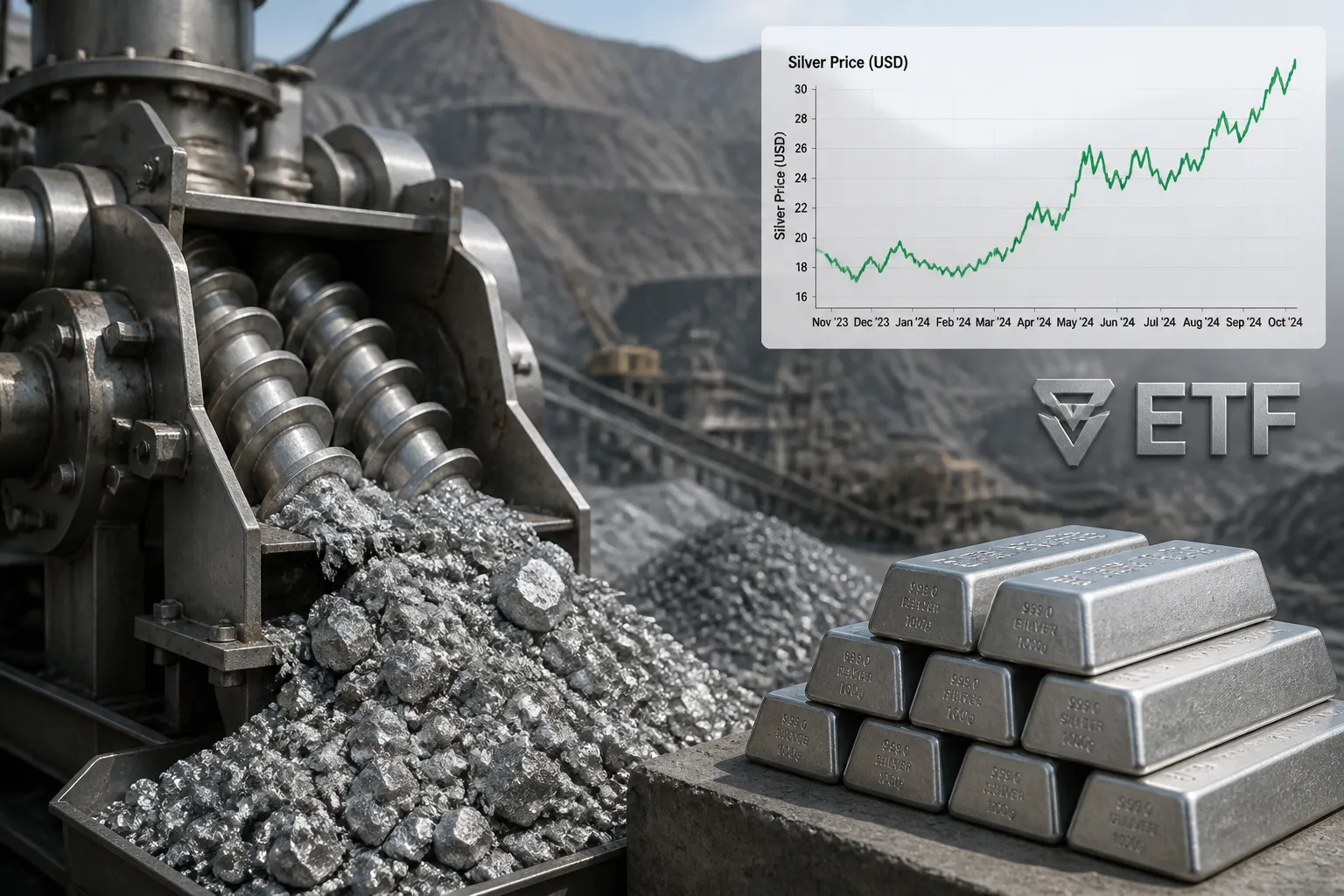
The investment thesis behind SIL highlights a few key points. First, the silver market is currently experiencing a period of price stagnation. A LinkedIn post by Andy Schectman explains that rising geopolitical tensions and increased demand from defense and industrial sectors have not translated into higher silver prices, largely because expectations for near‑term Federal Reserve rate cuts have strengthened the U.S. dollar and Treasury yields.
Second, the miners that SIL holds are positioned to generate record operational cash flow. The thesis notes that many of the companies in the index have strong free‑cash‑flow profiles, which could translate into attractive valuations for investors. Free cash flow, the amount of operating cash that exceeds working‑capital needs and capital expenditures, is a key metric for assessing a company’s financial flexibility.
Third, the analysis points to a 20.8 % upside potential for SIL if the ratio between the ETF’s price and the underlying silver price reverts to historical norms. The thesis identifies upcoming earnings releases from the constituent miners as a possible catalyst for the fund’s performance.
SIL’s structure offers diversified exposure to the silver‑mining sector. The fund’s holdings span a range of geographic regions and production scales, from large multinational producers to smaller, high‑growth miners. Because the top ten companies represent a majority of the fund’s assets, movements in those stocks can have a significant impact on SIL’s overall performance.
Silver mining itself remains a critical component of the global precious‑metal supply chain. According to Wikipedia, silver mining involves complex extraction processes and is a major source of the metal’s consumption, which was about 25,900 metric tons worldwide in 2008. The industry’s environmental and operational challenges are well documented, and the sector’s financial health is often reflected in the cash‑flow metrics of its leading companies.
The current market environment for silver is mixed. While industrial demand continues to support the metal, the price has remained relatively flat in 2026, as reported by several commodity‑price trackers. Analysts note that the silver spot price has hovered around $80–$90 per ounce, with technical indicators suggesting a range‑bound outlook.
For investors considering SIL, the fund’s performance will likely be influenced by a combination of silver price movements, the earnings results of its constituent miners, and broader macroeconomic factors such as interest‑rate expectations. The ETF’s expense ratio and tracking error are also relevant, though these details are not highlighted in the investment thesis.
In summary, Global X’s Silver Miners ETF offers a way to gain exposure to a diversified set of silver‑mining companies that are expected to generate strong cash flow. The fund’s potential upside is tied to the relationship between the ETF’s price and the underlying silver price, with upcoming earnings releases serving as a key event. Investors should monitor silver price trends, earnings announcements, and macroeconomic developments that could influence the sector.
The next earnings cycle for many of the miners in SIL’s portfolio is scheduled for the coming months, and the fund’s performance will be closely watched by those who track commodity‑focused ETFs. As the silver market continues to evolve, SIL’s position as a diversified vehicle for silver‑miner exposure remains a point of interest for investors seeking to navigate the sector’s current dynamics.
The investment thesis behind SIL highlights a few key points. First, the silver market is currently experiencing a period of price stagnation. A LinkedIn post by Andy Schectman explains that rising geopolitical tensions and increased demand from defense and industrial sectors have not translated into higher silver prices, largely because expectations for near‑term Federal Reserve rate cuts have strengthened the U.S. dollar and Treasury yields.
Second, the miners that SIL holds are positioned to generate record operational cash flow. The thesis notes that many of the companies in the index have strong free‑cash‑flow profiles, which could translate into attractive valuations for investors. Free cash flow, the amount of operating cash that exceeds working‑capital needs and capital expenditures, is a key metric for assessing a company’s financial flexibility.
Third, the analysis points to a 20.8 % upside potential for SIL if the ratio between the ETF’s price and the underlying silver price reverts to historical norms. The thesis identifies upcoming earnings releases from the constituent miners as a possible catalyst for the fund’s performance.
SIL’s structure offers diversified exposure to the silver‑mining sector. The fund’s holdings span a range of geographic regions and production scales, from large multinational producers to smaller, high‑growth miners. Because the top ten companies represent a majority of the fund’s assets, movements in those stocks can have a significant impact on SIL’s overall performance.
Silver mining itself remains a critical component of the global precious‑metal supply chain. According to Wikipedia, silver mining involves complex extraction processes and is a major source of the metal’s consumption, which was about 25,900 metric tons worldwide in 2008. The industry’s environmental and operational challenges are well documented, and the sector’s financial health is often reflected in the cash‑flow metrics of its leading companies.
The current market environment for silver is mixed. While industrial demand continues to support the metal, the price has remained relatively flat in 2026, as reported by several commodity‑price trackers. Analysts note that the silver spot price has hovered around $80–$90 per ounce, with technical indicators suggesting a range‑bound outlook.
For investors considering SIL, the fund’s performance will likely be influenced by a combination of silver price movements, the earnings results of its constituent miners, and broader macroeconomic factors such as interest‑rate expectations. The ETF’s expense ratio and tracking error are also relevant, though these details are not highlighted in the investment thesis.
In summary, Global X’s Silver Miners ETF offers a way to gain exposure to a diversified set of silver‑mining companies that are expected to generate strong cash flow. The fund’s potential upside is tied to the relationship between the ETF’s price and the underlying silver price, with upcoming earnings releases serving as a key event. Investors should monitor silver price trends, earnings announcements, and macroeconomic developments that could influence the sector.
The next earnings cycle for many of the miners in SIL’s portfolio is scheduled for the coming months, and the fund’s performance will be closely watched by those who track commodity‑focused ETFs. As the silver market continues to evolve, SIL’s position as a diversified vehicle for silver‑miner exposure remains a point of interest for investors seeking to navigate the sector’s current dynamics.








