Blab Business
Strait of Hormuz Reopens After Iran War Ceasefire, but Oil Prices Remain Elevated
On June 14, 2026, the United States and Iran announced a temporary halt to hostilities that had begun in February, a move that lifted the naval blockade of the Strait of Hormuz and opened the waterway to commercial shipping. The agreement, mediated by Pakistan and Qatar, is a 60‑day ceasefire that will allow the strait to be cleared of mines and reopened for oil traffic.
The war, which started on February 28 after a joint U.S.–Israeli strike on Iranian military sites, had forced the U.S. to block Iranian ports and close the Strait of Hormuz, a chokepoint that carries about a quarter of the world’s seaborne oil trade. The closure stranded tankers in the Persian Gulf for more than three months and caused a sharp rise in global oil prices.
"It’s going to take time for people to feel comfortable and for insurance to be in place … particularly to get people on the ground to restart some of these assets," said Daniel Evans, global head of fuels and refining research at S&P Global Energy, according to the Associated Press. Shipping lanes remain uncertain because insurers are still reluctant to cover vessels passing through the strait, and many tankers that were stranded are still waiting to exit the Gulf.
Oil producers in the region have also faced production shut‑ins. When storage tanks filled up, Saudi Arabia, the United Arab Emirates, and other Gulf states halted drilling to avoid flooding. Restarting wells can be slow, especially in Iraq, where fields are more difficult to access. Alan Gelder, senior vice president of refining, chemicals and oil markets at Wood Mackenzie, said that Saudi Arabia and the UAE could resume production quickly because they have alternative pipelines, but Iraq may take up to a year to return to pre‑war output.
The war also stalled investment in the energy system. Capital that had been earmarked for new pipelines, storage facilities and refinery upgrades has been frozen. "Countries that shut in oil production won’t want to restart until they know there is a stable, durable strait, and that a ceasefire will last more than 30 or 60 days," said Daniel Sternoff, senior fellow at the Center on Global Energy Policy at Columbia University, according to the AP.
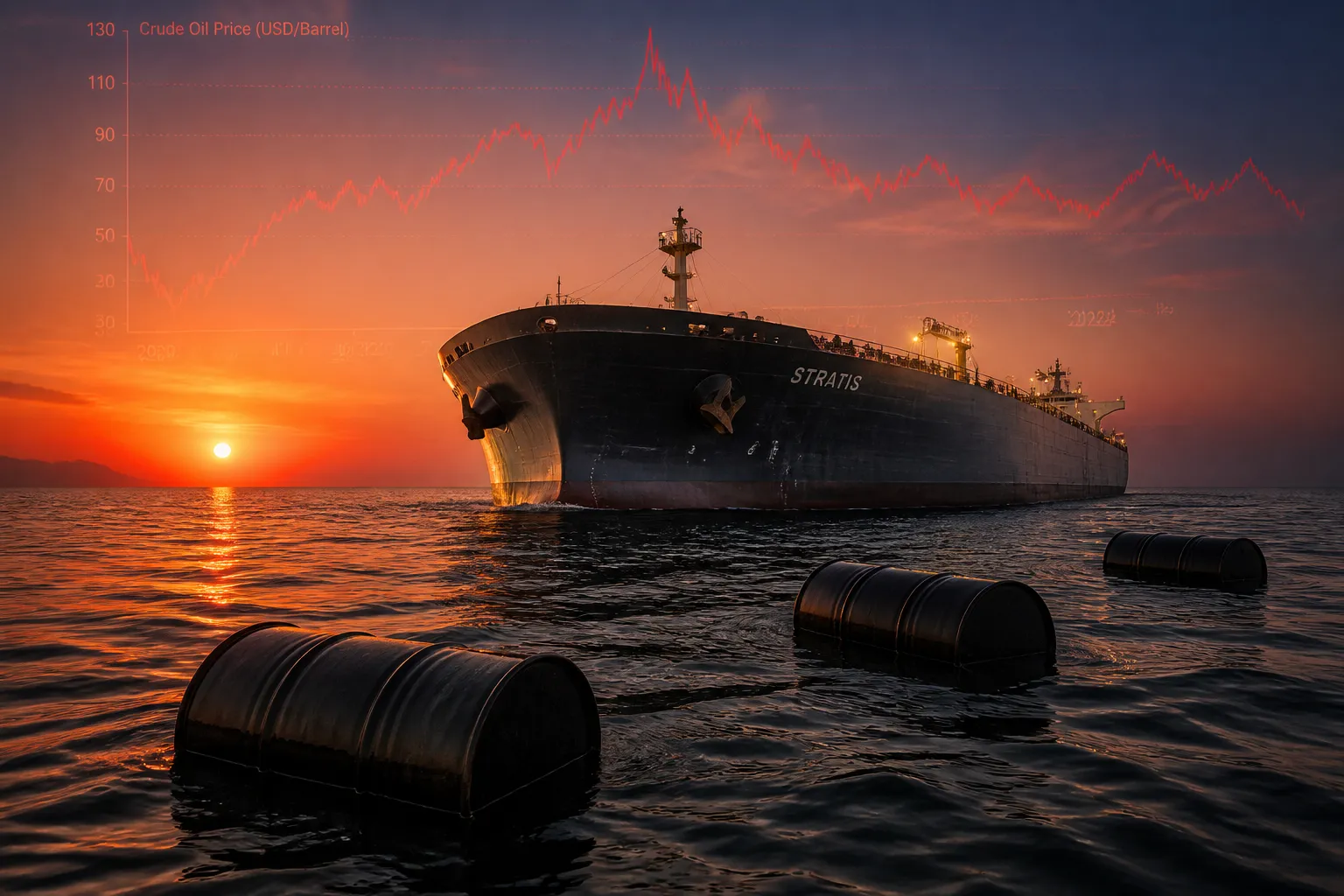
Market reactions to the ceasefire were immediate but muted. Brent crude fell $3.45 to $83.89 per barrel, and U.S. West Texas Intermediate dropped $4.03 to $80.85 per barrel. Those prices are still well above the roughly $70 per barrel level that prevailed before the war began. The price decline reflects the expectation that shipping will resume and that the supply shock will ease, but analysts caution that the full effect will take months.
The strait’s reopening is a critical step, but the broader economic impact will unfold over a longer horizon. Oil tankers move slowly; it can take weeks to transit the Gulf, days to deliver crude to a refinery, and additional time to transport finished products to end markets. Even once the strait is clear, producers will need to rebuild storage capacity and secure insurance coverage before they can resume normal export volumes.
In the coming weeks, the U.S. and Iran will negotiate limits on Iran’s nuclear program, the disposal of highly enriched uranium, sanctions relief, and the release of frozen assets. The duration of the ceasefire and the pace of shipping resumption will be closely watched by energy markets and policymakers alike.
The current situation remains fluid. While the strait is officially open, the pace of shipping and production restart will depend on insurance confidence, the stability of the ceasefire, and the ability of Gulf producers to rebuild infrastructure. Market participants will be watching the next few months for signals that the supply shock is truly ending and that oil prices can return to pre‑war levels.
The war, which started on February 28 after a joint U.S.–Israeli strike on Iranian military sites, had forced the U.S. to block Iranian ports and close the Strait of Hormuz, a chokepoint that carries about a quarter of the world’s seaborne oil trade. The closure stranded tankers in the Persian Gulf for more than three months and caused a sharp rise in global oil prices.
"It’s going to take time for people to feel comfortable and for insurance to be in place … particularly to get people on the ground to restart some of these assets," said Daniel Evans, global head of fuels and refining research at S&P Global Energy, according to the Associated Press. Shipping lanes remain uncertain because insurers are still reluctant to cover vessels passing through the strait, and many tankers that were stranded are still waiting to exit the Gulf.
Oil producers in the region have also faced production shut‑ins. When storage tanks filled up, Saudi Arabia, the United Arab Emirates, and other Gulf states halted drilling to avoid flooding. Restarting wells can be slow, especially in Iraq, where fields are more difficult to access. Alan Gelder, senior vice president of refining, chemicals and oil markets at Wood Mackenzie, said that Saudi Arabia and the UAE could resume production quickly because they have alternative pipelines, but Iraq may take up to a year to return to pre‑war output.
The war also stalled investment in the energy system. Capital that had been earmarked for new pipelines, storage facilities and refinery upgrades has been frozen. "Countries that shut in oil production won’t want to restart until they know there is a stable, durable strait, and that a ceasefire will last more than 30 or 60 days," said Daniel Sternoff, senior fellow at the Center on Global Energy Policy at Columbia University, according to the AP.
Market reactions to the ceasefire were immediate but muted. Brent crude fell $3.45 to $83.89 per barrel, and U.S. West Texas Intermediate dropped $4.03 to $80.85 per barrel. Those prices are still well above the roughly $70 per barrel level that prevailed before the war began. The price decline reflects the expectation that shipping will resume and that the supply shock will ease, but analysts caution that the full effect will take months.
The strait’s reopening is a critical step, but the broader economic impact will unfold over a longer horizon. Oil tankers move slowly; it can take weeks to transit the Gulf, days to deliver crude to a refinery, and additional time to transport finished products to end markets. Even once the strait is clear, producers will need to rebuild storage capacity and secure insurance coverage before they can resume normal export volumes.
In the coming weeks, the U.S. and Iran will negotiate limits on Iran’s nuclear program, the disposal of highly enriched uranium, sanctions relief, and the release of frozen assets. The duration of the ceasefire and the pace of shipping resumption will be closely watched by energy markets and policymakers alike.
The current situation remains fluid. While the strait is officially open, the pace of shipping and production restart will depend on insurance confidence, the stability of the ceasefire, and the ability of Gulf producers to rebuild infrastructure. Market participants will be watching the next few months for signals that the supply shock is truly ending and that oil prices can return to pre‑war levels.