Blab Business
Telix Completes Enrollment of 105 Patients in Japan Phase-3 Study of Illuccix for Prostate Cancer Imaging
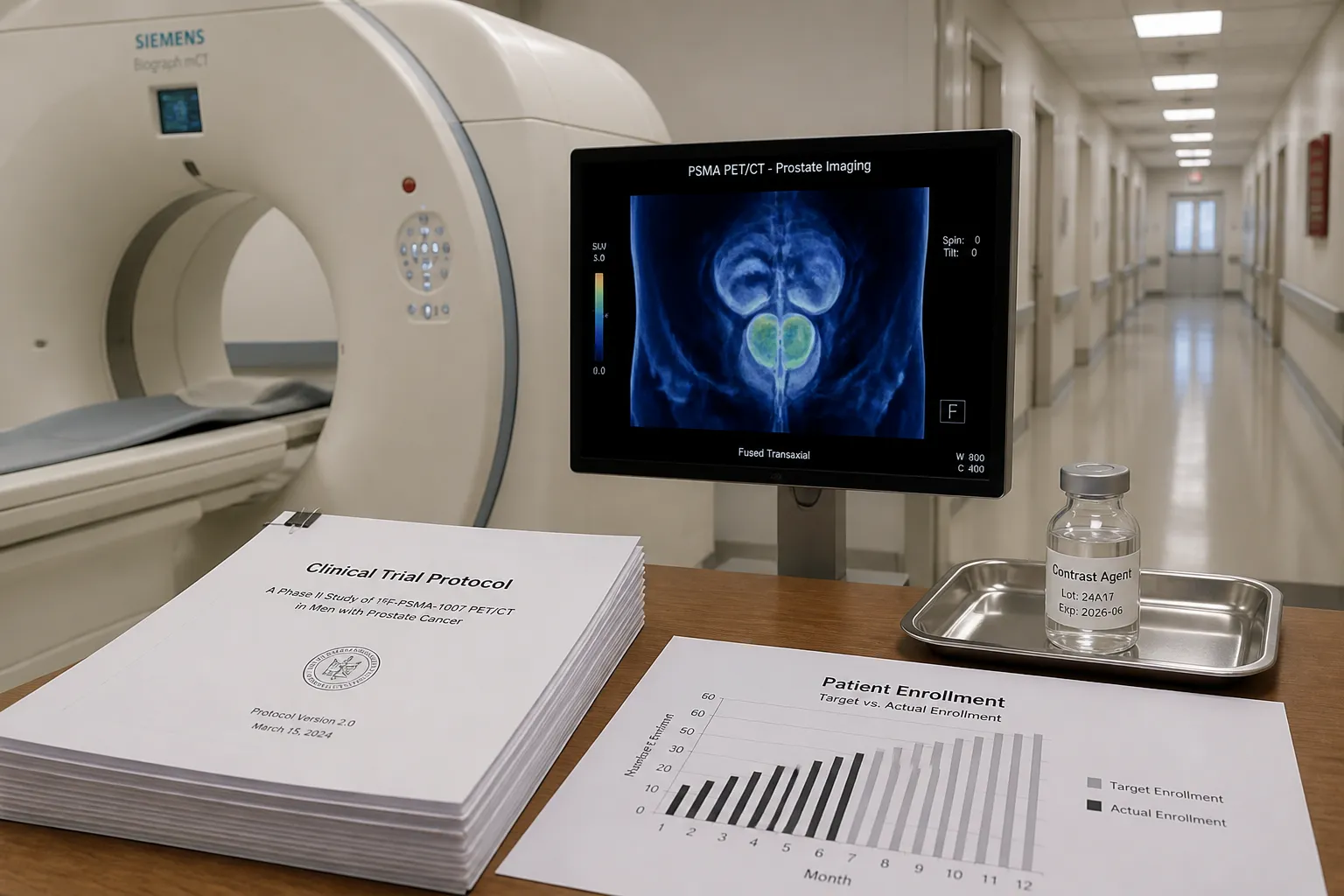
On 17 July 2026, Telix Pharmaceuticals Limited announced that it has finished enrolling 105 Japanese patients in its Phase‑3 registration study of TLX591‑Px (Illuccix®) for prostate‑cancer imaging. The trial, conducted across 11 sites, will generate the clinical data required to support a New Drug Application (NDA) for Illuccix in Japan.
The Phase‑3 trial, registered under the Japan Registry of Clinical Trials identifier JRCT2031250473, is a prospective, open‑label, multicenter study that evaluates the detection efficacy and safety of 68Ga‑PSMA‑11 PET/CT in Japanese men with biochemically recurrent prostate cancer after radical prostatectomy. According to Telix’s press release, the rapid completion of enrollment is a significant milestone that propels the company’s registration strategy for Illuccix in Japan, a market that ranks among the world’s largest nuclear‑medicine hubs.
Telix is also pursuing an NDA under Japan’s conditional approval framework. The company’s application for Conditional Approval is currently under review by the Pharmaceuticals and Medical Devices Agency (PMDA). If granted, Conditional Approval would allow an expedited NDA review while the final study dataset is being prepared. Telix’s CEO, David N. Cade, MD, said the swift enrollment “represents a significant step towards the registration of Illuccix in Japan” and thanked investigators and study teams.
Illuccix is Telix’s first‑generation PSMA‑PET imaging agent. The company’s commercial franchise is anchored by Illuccix and Gozellix, both kits for preparing gallium‑68 gozetotide (68Ga‑PSMA‑11). Illuccix has been approved in 22 countries, including the United States and the European Union, but remains investigational in Japan. In addition to the Phase‑3 registration study, Telix is supporting named‑patient use of TLX591‑Px in Japan and enrolling patients in the global Phase‑3 ProstACT study of TLX591‑Tx (lutetium‑177 rosopatamab tetraxetan) for advanced prostate cancer.
Prostate cancer is the most common cancer among Japanese men, with more than 104,000 new diagnoses and 14,000 deaths annually. The Asia‑Pacific region, which includes Japan, accounts for about one‑third of the world’s male population and is experiencing rising cancer incidence due to ageing populations and lifestyle changes. The availability of PSMA‑PET imaging in Japan could improve detection and treatment planning for men with recurrent disease.
Telix’s strategy in Japan reflects a broader effort to expand access to targeted radiopharmaceuticals. The company’s portfolio also includes therapeutic candidates in late‑stage trials, such as TLX101‑Tx for recurrent glioblastoma and TLX250‑Tx for kidney cancer. Telix’s headquarters are in Melbourne, Australia, with operations in North America, Europe, Latin America and Asia‑Pacific.
At present, the study data will be submitted to the PMDA as part of the NDA application. The conditional approval review is ongoing, and the company has not yet received a decision. Telix has not announced a specific timeline for the NDA submission or for market launch in Japan. The next steps will involve final data analysis, submission of the NDA dossier, and potential interaction with the PMDA during the review process.
In summary, Telix’s completion of enrollment in its Japanese Phase‑3 study marks a key regulatory milestone for Illuccix. The company is simultaneously pursuing conditional approval and preparing an NDA, while maintaining early‑access programs and enrolling patients in global therapeutic studies. The outcome of the PMDA review will determine when Illuccix could become available to Japanese clinicians and patients.
The Phase‑3 trial, registered under the Japan Registry of Clinical Trials identifier JRCT2031250473, is a prospective, open‑label, multicenter study that evaluates the detection efficacy and safety of 68Ga‑PSMA‑11 PET/CT in Japanese men with biochemically recurrent prostate cancer after radical prostatectomy. According to Telix’s press release, the rapid completion of enrollment is a significant milestone that propels the company’s registration strategy for Illuccix in Japan, a market that ranks among the world’s largest nuclear‑medicine hubs.
Telix is also pursuing an NDA under Japan’s conditional approval framework. The company’s application for Conditional Approval is currently under review by the Pharmaceuticals and Medical Devices Agency (PMDA). If granted, Conditional Approval would allow an expedited NDA review while the final study dataset is being prepared. Telix’s CEO, David N. Cade, MD, said the swift enrollment “represents a significant step towards the registration of Illuccix in Japan” and thanked investigators and study teams.
Illuccix is Telix’s first‑generation PSMA‑PET imaging agent. The company’s commercial franchise is anchored by Illuccix and Gozellix, both kits for preparing gallium‑68 gozetotide (68Ga‑PSMA‑11). Illuccix has been approved in 22 countries, including the United States and the European Union, but remains investigational in Japan. In addition to the Phase‑3 registration study, Telix is supporting named‑patient use of TLX591‑Px in Japan and enrolling patients in the global Phase‑3 ProstACT study of TLX591‑Tx (lutetium‑177 rosopatamab tetraxetan) for advanced prostate cancer.
Prostate cancer is the most common cancer among Japanese men, with more than 104,000 new diagnoses and 14,000 deaths annually. The Asia‑Pacific region, which includes Japan, accounts for about one‑third of the world’s male population and is experiencing rising cancer incidence due to ageing populations and lifestyle changes. The availability of PSMA‑PET imaging in Japan could improve detection and treatment planning for men with recurrent disease.
Telix’s strategy in Japan reflects a broader effort to expand access to targeted radiopharmaceuticals. The company’s portfolio also includes therapeutic candidates in late‑stage trials, such as TLX101‑Tx for recurrent glioblastoma and TLX250‑Tx for kidney cancer. Telix’s headquarters are in Melbourne, Australia, with operations in North America, Europe, Latin America and Asia‑Pacific.
At present, the study data will be submitted to the PMDA as part of the NDA application. The conditional approval review is ongoing, and the company has not yet received a decision. Telix has not announced a specific timeline for the NDA submission or for market launch in Japan. The next steps will involve final data analysis, submission of the NDA dossier, and potential interaction with the PMDA during the review process.
In summary, Telix’s completion of enrollment in its Japanese Phase‑3 study marks a key regulatory milestone for Illuccix. The company is simultaneously pursuing conditional approval and preparing an NDA, while maintaining early‑access programs and enrolling patients in global therapeutic studies. The outcome of the PMDA review will determine when Illuccix could become available to Japanese clinicians and patients.