Blab Business
Amul to Invest 650 Crore in West Bengal, Plans First Fully-Owned Dairy Processing Plant
Amul, the dairy cooperative behind the iconic brand, announced a ₹650‑crore investment to build its first fully‑owned mega dairy processing plant in West Bengal. The project, unveiled in a January 2026 press release, signals the cooperative’s intent to widen its milk‑procurement network beyond its traditional heartlands.
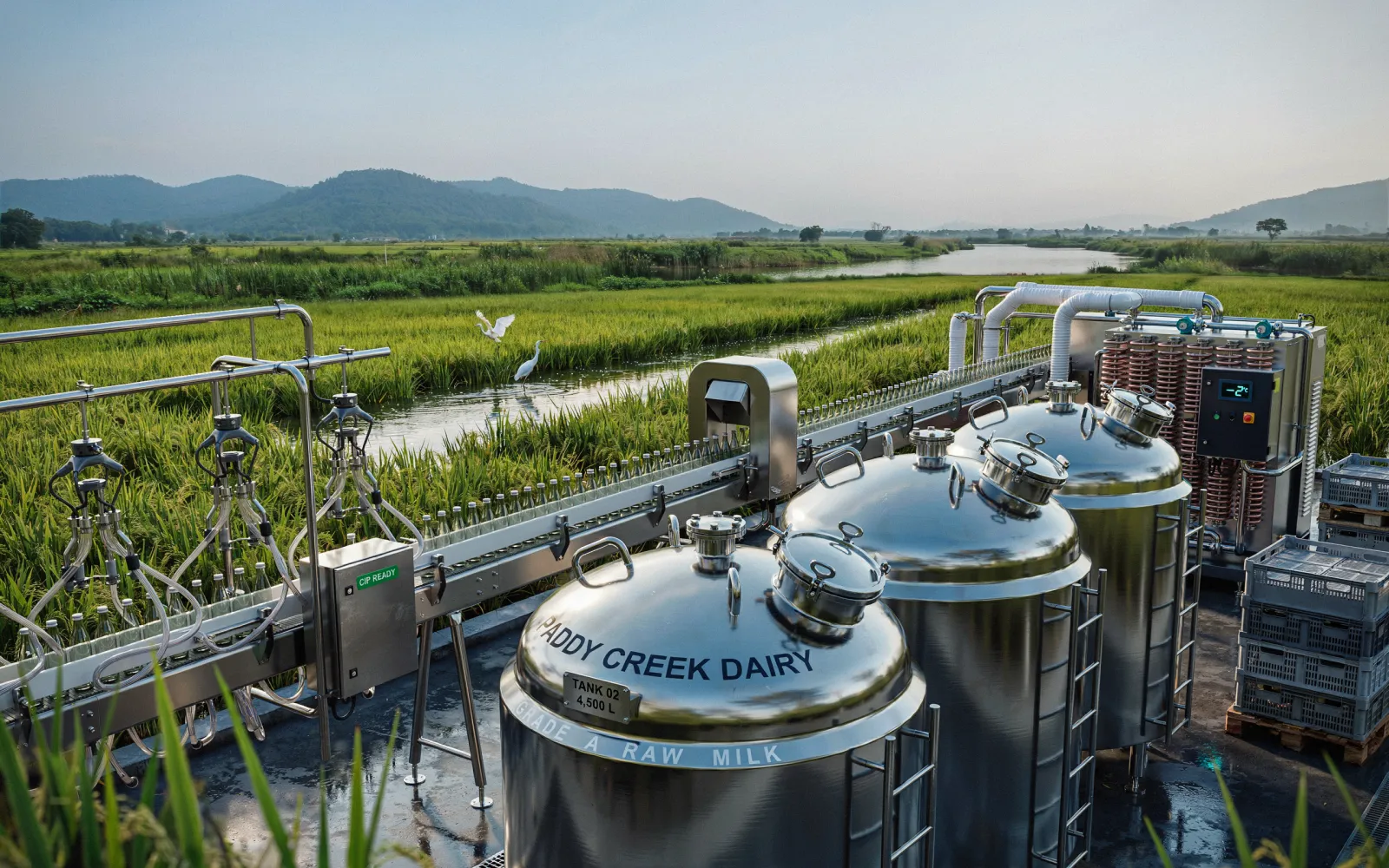
The new facility will sit in West Bengal and will employ advanced processing technology to handle a larger volume of milk. According to Amul, the plant is expected to lift the cooperative’s milk‑volume contribution from the state significantly and to offer higher prices to local farmers.
This move follows a series of procurement agreements in other states. Amul already operates in Maharashtra, Punjab, Andhra Pradesh, Assam, Tamil Nadu, Karnataka and Odisha. In 2025, the cooperative posted a turnover of ₹14,099 crore, up 9.2 % from the previous fiscal year.
The decision to invest in West Bengal was discussed in a September 2025 meeting in Kolkata. Chief Minister Mamata Banerjee met with Amul’s top executives to assess the project’s fit with the state’s food‑processing agenda. The meeting also included representatives from the agriculture and industry departments.
West Bengal, the largest economy in eastern India, accounts for about 6.15 % of the country’s GDP. Its economy is largely driven by agriculture and medium‑sized industry, with key sectors such as jute, tea and food processing. The Amul investment is seen as a boost to the state’s goal of expanding food‑processing capacity—a sector that has historically attracted less industrial investment than the western and southern regions.
Amul’s strategy is to create farmer cooperatives that can supply milk at competitive prices while ensuring a stable market for producers. The cooperative says the new plant will help increase its total milk volume by 20 % and provide higher prices to farmers in West Bengal.
Construction of the plant will involve procurement of modern equipment, establishment of a cold‑chain network and creation of jobs in the local community. Amul has indicated that the facility will also support ancillary businesses such as feed production and dairy equipment maintenance.
The investment is part of a broader trend of dairy cooperatives expanding into eastern India. In 2024, Amul announced plans to set up a similar facility in Bihar, and the cooperative has been actively engaging with state governments to secure land and regulatory approvals.
Amul outlined a timeline that calls for completion of construction and commencement of operations by the end of 2027. While a detailed financial plan has not yet been disclosed, the ₹650‑crore figure represents the total capital outlay for land acquisition, plant construction and initial working capital.
Local farmer groups welcomed the investment, viewing it as a way to secure better prices and a reliable market for their milk. The state’s agriculture department expressed support, noting that the project aligns with the state’s objective of increasing value added in the dairy sector.
Amul’s move comes amid a dairy industry that is experiencing growth driven by rising consumer demand for dairy products and a focus on quality and safety. The cooperative’s expansion into West Bengal is expected to strengthen the dairy supply chain in eastern India.
Progress on the project will be monitored by both Amul and the state government, with periodic updates anticipated as construction advances. The investment marks a significant step in Amul’s strategy to extend its footprint beyond its traditional strongholds in Gujarat and Maharashtra.
As of June 2026, West Bengal is under a caretaker administration following the dissolution of the assembly in May. The new plant’s development will proceed under the oversight of the state’s agriculture and industry departments.
The investment is poised to create jobs, support local farmers and enhance the state’s food‑processing capacity, marking a key development in the dairy sector’s ongoing growth across India.
The new facility will sit in West Bengal and will employ advanced processing technology to handle a larger volume of milk. According to Amul, the plant is expected to lift the cooperative’s milk‑volume contribution from the state significantly and to offer higher prices to local farmers.
This move follows a series of procurement agreements in other states. Amul already operates in Maharashtra, Punjab, Andhra Pradesh, Assam, Tamil Nadu, Karnataka and Odisha. In 2025, the cooperative posted a turnover of ₹14,099 crore, up 9.2 % from the previous fiscal year.
The decision to invest in West Bengal was discussed in a September 2025 meeting in Kolkata. Chief Minister Mamata Banerjee met with Amul’s top executives to assess the project’s fit with the state’s food‑processing agenda. The meeting also included representatives from the agriculture and industry departments.
West Bengal, the largest economy in eastern India, accounts for about 6.15 % of the country’s GDP. Its economy is largely driven by agriculture and medium‑sized industry, with key sectors such as jute, tea and food processing. The Amul investment is seen as a boost to the state’s goal of expanding food‑processing capacity—a sector that has historically attracted less industrial investment than the western and southern regions.
Amul’s strategy is to create farmer cooperatives that can supply milk at competitive prices while ensuring a stable market for producers. The cooperative says the new plant will help increase its total milk volume by 20 % and provide higher prices to farmers in West Bengal.
Construction of the plant will involve procurement of modern equipment, establishment of a cold‑chain network and creation of jobs in the local community. Amul has indicated that the facility will also support ancillary businesses such as feed production and dairy equipment maintenance.
The investment is part of a broader trend of dairy cooperatives expanding into eastern India. In 2024, Amul announced plans to set up a similar facility in Bihar, and the cooperative has been actively engaging with state governments to secure land and regulatory approvals.
Amul outlined a timeline that calls for completion of construction and commencement of operations by the end of 2027. While a detailed financial plan has not yet been disclosed, the ₹650‑crore figure represents the total capital outlay for land acquisition, plant construction and initial working capital.
Local farmer groups welcomed the investment, viewing it as a way to secure better prices and a reliable market for their milk. The state’s agriculture department expressed support, noting that the project aligns with the state’s objective of increasing value added in the dairy sector.
Amul’s move comes amid a dairy industry that is experiencing growth driven by rising consumer demand for dairy products and a focus on quality and safety. The cooperative’s expansion into West Bengal is expected to strengthen the dairy supply chain in eastern India.
Progress on the project will be monitored by both Amul and the state government, with periodic updates anticipated as construction advances. The investment marks a significant step in Amul’s strategy to extend its footprint beyond its traditional strongholds in Gujarat and Maharashtra.
As of June 2026, West Bengal is under a caretaker administration following the dissolution of the assembly in May. The new plant’s development will proceed under the oversight of the state’s agriculture and industry departments.
The investment is poised to create jobs, support local farmers and enhance the state’s food‑processing capacity, marking a key development in the dairy sector’s ongoing growth across India.