Blab Business
India Begins WTO Trade Policy Review Amid Calls for Lower Trade Costs and Greater Global Integration
On 21 July 2026, the World Trade Organization (WTO) Secretariat opened India’s eighth Trade Policy Review (TPR) in Geneva, inviting member states to scrutinise the country’s trade performance for the 2021‑25 period. The review follows the 2021 assessment and comes as India pushes toward its Viksit Bharat 2047 goal of becoming a developed economy.
Commerce Secretary Rajesh Agrawal opened the session by noting that India remains the world’s fastest‑growing major economy. He highlighted record export growth, rapid digital transformation and a surge in innovation, framing the review as a chance for members to understand the developmental backdrop of India’s policy choices and to engage in constructive dialogue.
The WTO Secretariat’s report urges India to "press ahead with reforms to lower trade costs, ease regulatory complexity and deepen its integration with the global economy." It stresses that sustaining the growth required to reach Viksit Bharat will depend on addressing structural hurdles such as high trade costs, infrastructure gaps and barriers to deeper global integration.
India’s own assessment lists several external trade challenges. The country says it is confronting an increasing use of non‑tariff measures by trading partners—complex standards, conformity‑assessment procedures and regulatory requirements—that restrict market access for Indian firms abroad. Global supply‑chain disruptions caused by geopolitical tensions, the pandemic, climate‑related events and export controls by some countries have also affected the availability and cost of critical inputs. Additionally, excess capacity and over‑production in certain sectors have led to trade distortions and price fluctuations in international markets.
The Secretariat acknowledged progress made during the review period. India expanded regional trade agreements, further liberalised foreign‑direct‑investment (FDI) rules, modernised customs procedures and digitised trade processes. It also praised India’s "unparalleled progress" in financial inclusion. Nonetheless, the report notes that India’s policy framework still relies on relatively high tariffs, import and export controls, state‑run trading enterprises and extensive budgetary support programmes—particularly for food grains and fertilisers. While these policies safeguard food security and rural livelihoods, they continue to shape India’s trade regime.
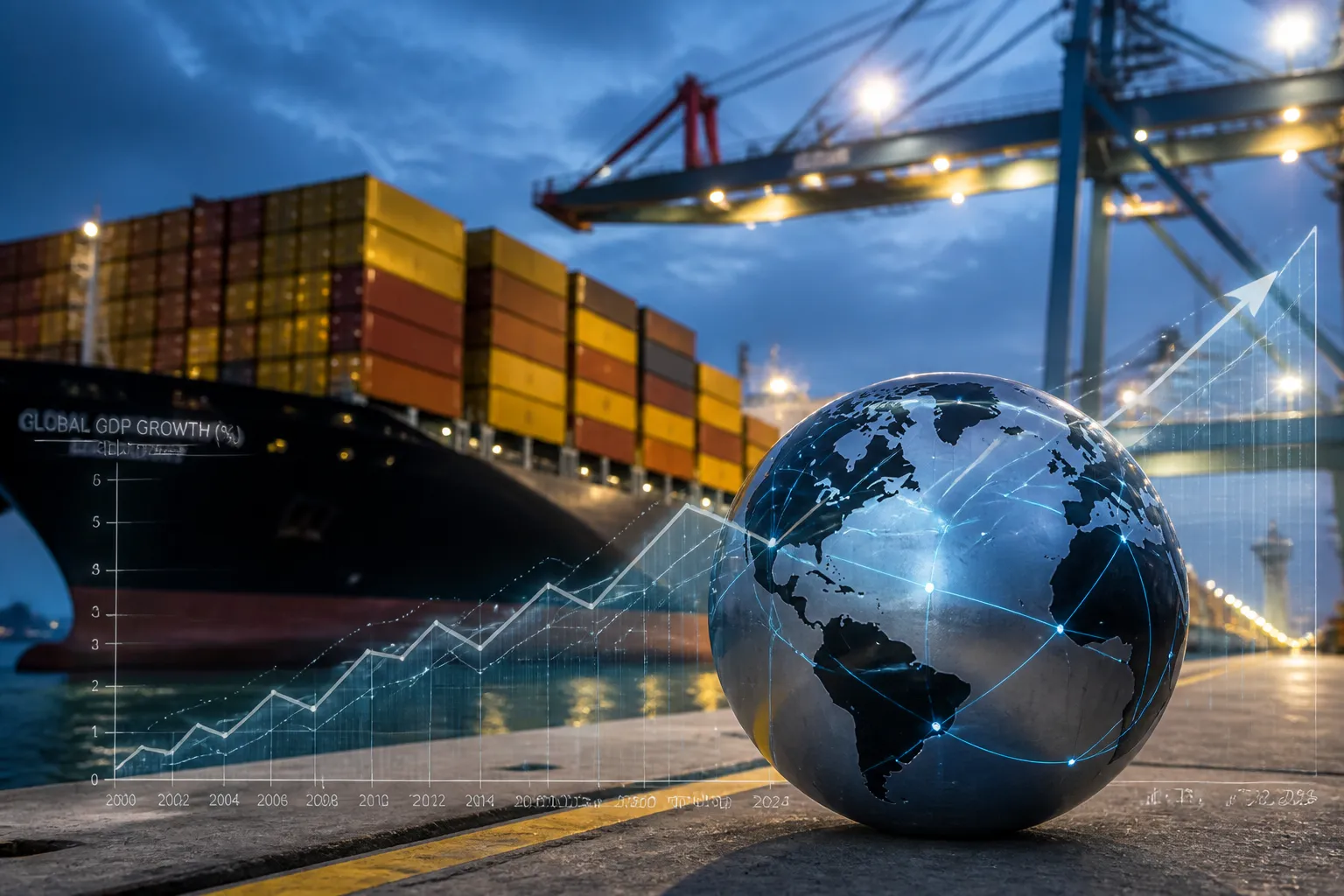
Looking ahead, the Secretariat projects India’s GDP growth at 6.8‑7.2 % for FY2027‑28. It warns that sustaining such growth over the long term will require reforms that reduce trade costs, improve infrastructure, simplify regulations and remove barriers to deeper global integration. The report recommends reforms aimed at improving the business environment, enhancing productivity and reducing reliance on trade‑restrictive measures. It stresses that India’s future resilience will depend on balancing its self‑reliance agenda with greater openness to international trade while remaining engaged in reform of the multilateral trading system.
The three‑day review will see WTO members assess India’s trade performance for the 2021‑25 period based on the Secretariat’s report and the Indian government’s submission. The outcome will shape India’s future trade policy trajectory and its engagement with the global trading system.
In summary, India has made notable strides in liberalising trade and improving its business environment, yet it faces significant external challenges and internal policy constraints that limit its export prospects. The WTO review will provide a platform for India to address these issues, refine its trade strategy and align its reforms with the broader goal of achieving developed‑nation status by 2047.
Commerce Secretary Rajesh Agrawal opened the session by noting that India remains the world’s fastest‑growing major economy. He highlighted record export growth, rapid digital transformation and a surge in innovation, framing the review as a chance for members to understand the developmental backdrop of India’s policy choices and to engage in constructive dialogue.
The WTO Secretariat’s report urges India to "press ahead with reforms to lower trade costs, ease regulatory complexity and deepen its integration with the global economy." It stresses that sustaining the growth required to reach Viksit Bharat will depend on addressing structural hurdles such as high trade costs, infrastructure gaps and barriers to deeper global integration.
India’s own assessment lists several external trade challenges. The country says it is confronting an increasing use of non‑tariff measures by trading partners—complex standards, conformity‑assessment procedures and regulatory requirements—that restrict market access for Indian firms abroad. Global supply‑chain disruptions caused by geopolitical tensions, the pandemic, climate‑related events and export controls by some countries have also affected the availability and cost of critical inputs. Additionally, excess capacity and over‑production in certain sectors have led to trade distortions and price fluctuations in international markets.
The Secretariat acknowledged progress made during the review period. India expanded regional trade agreements, further liberalised foreign‑direct‑investment (FDI) rules, modernised customs procedures and digitised trade processes. It also praised India’s "unparalleled progress" in financial inclusion. Nonetheless, the report notes that India’s policy framework still relies on relatively high tariffs, import and export controls, state‑run trading enterprises and extensive budgetary support programmes—particularly for food grains and fertilisers. While these policies safeguard food security and rural livelihoods, they continue to shape India’s trade regime.
Looking ahead, the Secretariat projects India’s GDP growth at 6.8‑7.2 % for FY2027‑28. It warns that sustaining such growth over the long term will require reforms that reduce trade costs, improve infrastructure, simplify regulations and remove barriers to deeper global integration. The report recommends reforms aimed at improving the business environment, enhancing productivity and reducing reliance on trade‑restrictive measures. It stresses that India’s future resilience will depend on balancing its self‑reliance agenda with greater openness to international trade while remaining engaged in reform of the multilateral trading system.
The three‑day review will see WTO members assess India’s trade performance for the 2021‑25 period based on the Secretariat’s report and the Indian government’s submission. The outcome will shape India’s future trade policy trajectory and its engagement with the global trading system.
In summary, India has made notable strides in liberalising trade and improving its business environment, yet it faces significant external challenges and internal policy constraints that limit its export prospects. The WTO review will provide a platform for India to address these issues, refine its trade strategy and align its reforms with the broader goal of achieving developed‑nation status by 2047.