Blab Business
Amuls Rs 700-crore Dairy Plant to Become Worlds Largest Yogurt Facility in West Bengal
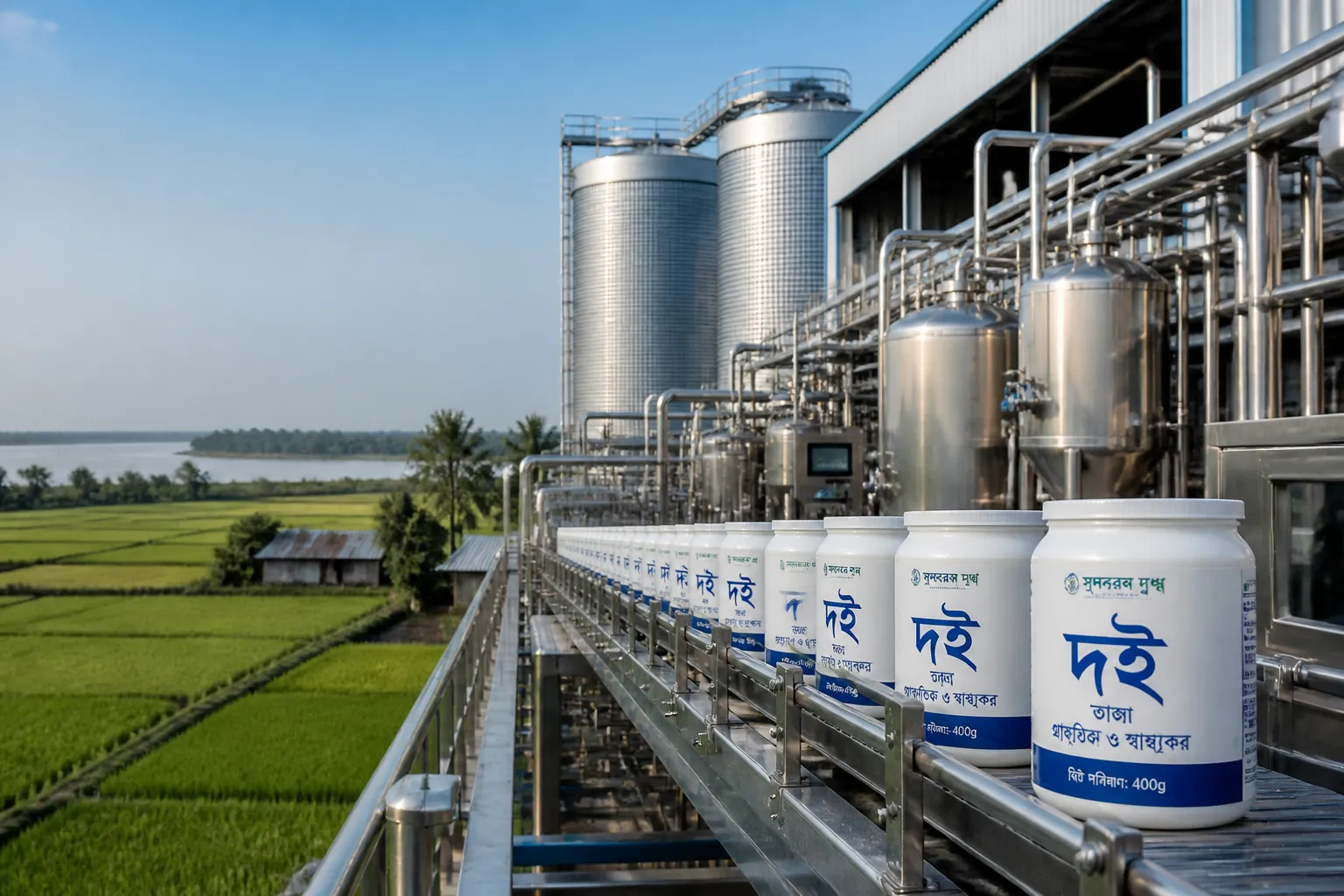
On 19 July 2026, Union Home Minister Amit Shah marked a new chapter in West Bengal’s dairy story by laying the foundation stone for a Rs 700‑crore, integrated dairy plant in Sankrail, Howrah district. The facility, operated under the Gujarat Cooperative Milk Marketing Federation’s (GCMMF) iconic Amul brand, is poised to become the world’s largest manufacturing centre for yoghurt and fermented dairy products.
The plant will turn a staggering 3 million litres of milk into 1 million litres of packaged milk and 1,000 metric tonnes of yoghurt every day. In addition, it will churn out long‑life milk, ice cream, chhanna, ghee and a range of sweets. Amul first entered West Bengal’s milk market in 2004 and now partners with more than 125,000 farmers through 880 village dairy cooperatives and 107 bulk chilling centres. The cooperative currently procures about 900,000 litres daily and aims to double that to 2 million litres in the coming years.
The project is a flagship element of the West Bengal government’s cooperative‑led industrialisation blueprint. Chief Minister Suvendu Adhikari said the new plant would spark a “White Revolution” in the state and a “Sweet Revolution” by expanding the famed sweet‑yoghurt industry. The state will also grant 30 acres of land to GCMMF for two additional dairy projects in North and South Bengal, expected to benefit an extra 250,000 livestock rearers.
Amul’s cooperative model is highlighted as a key advantage for farmers: 87 percent of the cooperative’s profits are routed directly into farmers’ bank accounts. In tandem, the state has launched a programme to improve cattle breeding and raise milk productivity by 25 percent, and unveiled 70 cooperative‑sector initiatives that will reach farmers within six months, including the computerisation of the Registrar of Cooperative Societies and a 1,400‑metric‑tonne capacity warehouse for agricultural storage.
The inauguration also introduced Bharat Taxi, a cooperative ride‑hailing platform under the Sahkar Taxi initiative. Designed to give drivers ownership stakes and reduce reliance on private app‑based aggregators, the platform will integrate with the state’s Yatri Sathi app, expanding services to bike taxis and auto‑rickshaws and enrolling partner drivers as cooperative members.
Opposition voices noted that the groundwork for the investment was laid during the previous Trinamool Congress administration. Kunal Ghosh, an MLA from the Mamata Banerjee‑led faction, shared on social media that the decisions and announcements began under the former government.
The Amul plant is expected to create jobs for skilled, semi‑skilled and unskilled workers. The state government said the two proposed ice‑cream plants would generate employment for 10,000 to 15,000 hawkers and retailers.
Positioned as a major investment catalyst, the project aligns with the BJP state chief Samik Bhattacharya’s “Bengal Means Business” slogan, which he said would become a reality thanks to the state’s skilled workforce, fertile land and strategic location. The facility’s opening also comes amid a broader central government push to promote cooperative models, with Bharat Taxi’s launch echoing the national initiative that aims to empower drivers through collective ownership.
In short, the Rs 700‑crore Amul plant at Sankrail is set to become the world’s largest yoghurt and fermented dairy manufacturing centre. It will process millions of litres of milk daily, support over 125,000 farmers, and create thousands of jobs. The project is part of a wider cooperative‑driven industrialisation strategy that includes new dairy projects, a cooperative ride‑hailing platform, and a series of initiatives aimed at boosting productivity and farmer income.
Construction timelines and operational start dates have not yet been disclosed. Investors and farmers await further details on the plant’s capacity, supply‑chain logistics and the timeline for the additional dairy projects announced by the state government.
The plant will turn a staggering 3 million litres of milk into 1 million litres of packaged milk and 1,000 metric tonnes of yoghurt every day. In addition, it will churn out long‑life milk, ice cream, chhanna, ghee and a range of sweets. Amul first entered West Bengal’s milk market in 2004 and now partners with more than 125,000 farmers through 880 village dairy cooperatives and 107 bulk chilling centres. The cooperative currently procures about 900,000 litres daily and aims to double that to 2 million litres in the coming years.
The project is a flagship element of the West Bengal government’s cooperative‑led industrialisation blueprint. Chief Minister Suvendu Adhikari said the new plant would spark a “White Revolution” in the state and a “Sweet Revolution” by expanding the famed sweet‑yoghurt industry. The state will also grant 30 acres of land to GCMMF for two additional dairy projects in North and South Bengal, expected to benefit an extra 250,000 livestock rearers.
Amul’s cooperative model is highlighted as a key advantage for farmers: 87 percent of the cooperative’s profits are routed directly into farmers’ bank accounts. In tandem, the state has launched a programme to improve cattle breeding and raise milk productivity by 25 percent, and unveiled 70 cooperative‑sector initiatives that will reach farmers within six months, including the computerisation of the Registrar of Cooperative Societies and a 1,400‑metric‑tonne capacity warehouse for agricultural storage.
The inauguration also introduced Bharat Taxi, a cooperative ride‑hailing platform under the Sahkar Taxi initiative. Designed to give drivers ownership stakes and reduce reliance on private app‑based aggregators, the platform will integrate with the state’s Yatri Sathi app, expanding services to bike taxis and auto‑rickshaws and enrolling partner drivers as cooperative members.
Opposition voices noted that the groundwork for the investment was laid during the previous Trinamool Congress administration. Kunal Ghosh, an MLA from the Mamata Banerjee‑led faction, shared on social media that the decisions and announcements began under the former government.
The Amul plant is expected to create jobs for skilled, semi‑skilled and unskilled workers. The state government said the two proposed ice‑cream plants would generate employment for 10,000 to 15,000 hawkers and retailers.
Positioned as a major investment catalyst, the project aligns with the BJP state chief Samik Bhattacharya’s “Bengal Means Business” slogan, which he said would become a reality thanks to the state’s skilled workforce, fertile land and strategic location. The facility’s opening also comes amid a broader central government push to promote cooperative models, with Bharat Taxi’s launch echoing the national initiative that aims to empower drivers through collective ownership.
In short, the Rs 700‑crore Amul plant at Sankrail is set to become the world’s largest yoghurt and fermented dairy manufacturing centre. It will process millions of litres of milk daily, support over 125,000 farmers, and create thousands of jobs. The project is part of a wider cooperative‑driven industrialisation strategy that includes new dairy projects, a cooperative ride‑hailing platform, and a series of initiatives aimed at boosting productivity and farmer income.
Construction timelines and operational start dates have not yet been disclosed. Investors and farmers await further details on the plant’s capacity, supply‑chain logistics and the timeline for the additional dairy projects announced by the state government.