Blab Business
Daniel Loeb Reopens Stakes in Alphabet and Meta as AI Expansion Accelerates
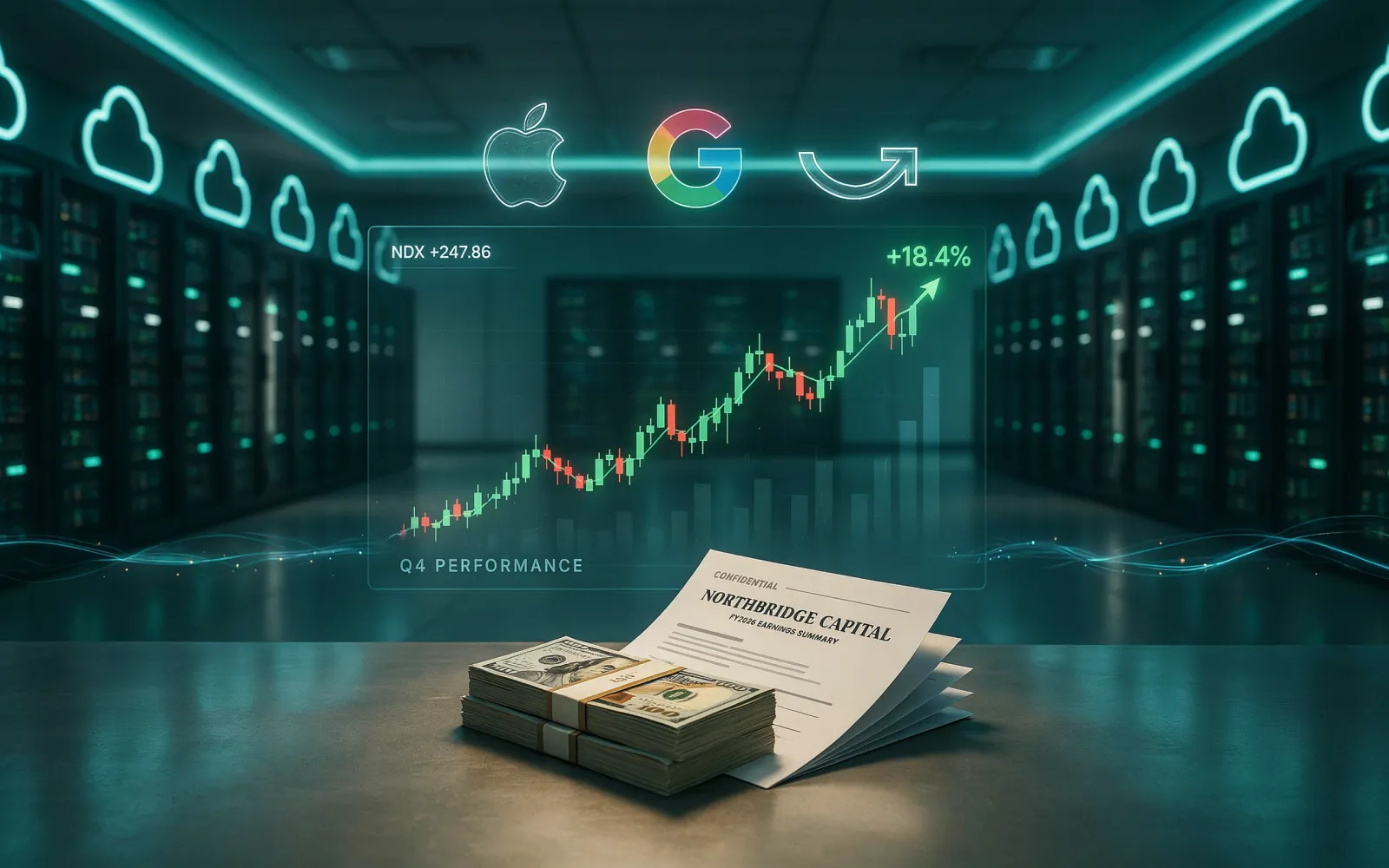
Daniel Loeb, the billionaire hedge‑fund manager behind Third Point Management, has re‑entered the AI arena by adding fresh positions in Alphabet Inc. and Meta Platforms Inc. in the first quarter of 2026. The move follows a period in which the investor trimmed other holdings, signaling a renewed confidence in companies that are building or monetising artificial‑intelligence (AI) technology.
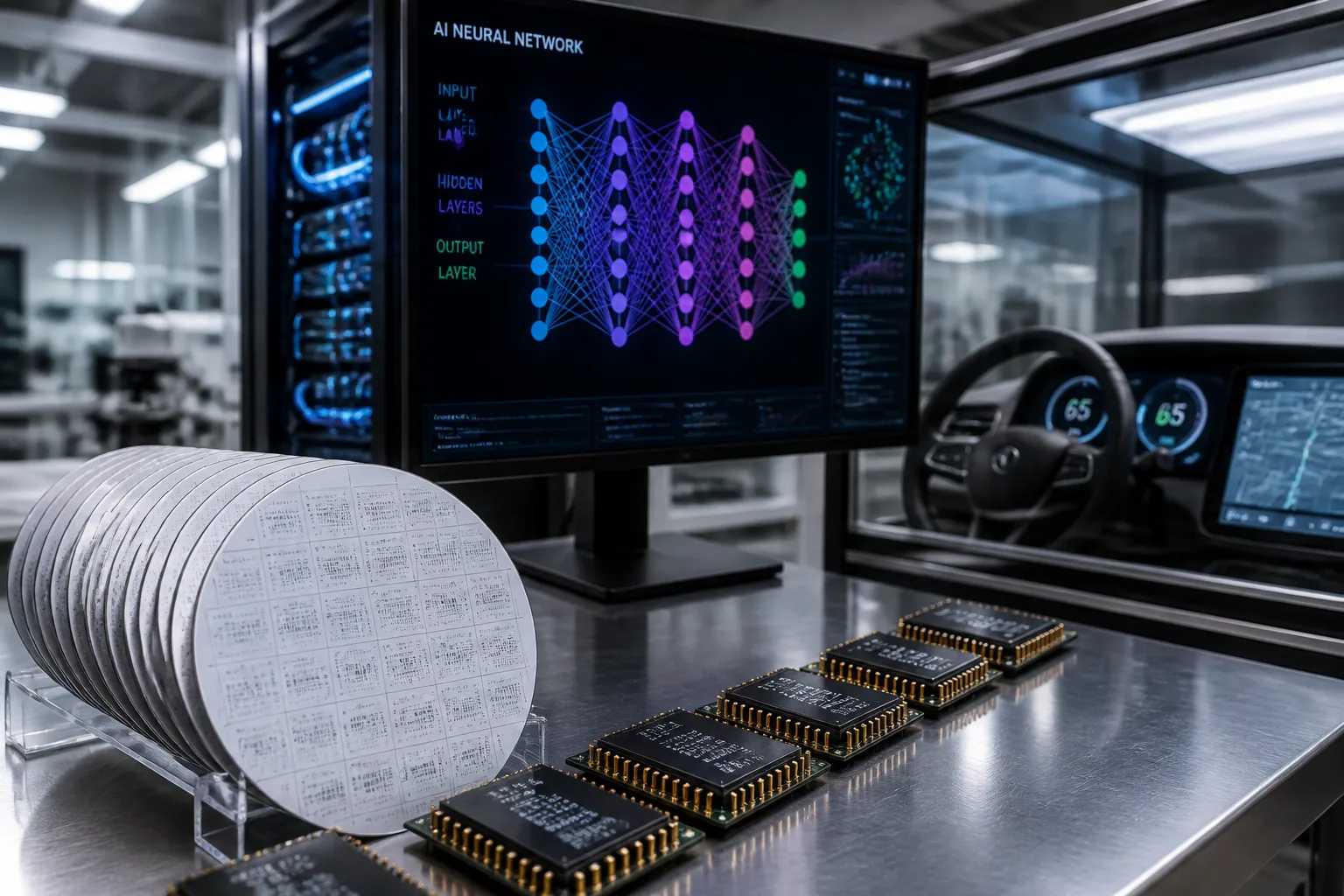
Alphabet’s AI strategy is anchored in its custom Tensor Processing Units (TPUs). The chips, first developed in 2015, have been refined for both training and inference workloads, giving Alphabet a cost advantage over rivals such as Nvidia. TPUs have also opened a new revenue stream: the company plans to recognize a small portion of revenue from TPU agreements later in 2026, with the bulk arriving in 2027. Analyst estimates project TPU‑related infrastructure could generate roughly $3 billion in 2026 and $25 billion in 2027.
Beyond hardware, Alphabet’s broader AI ecosystem includes the Gemini family of language models that power search and other Google products. The cloud division leases TPUs to external customers, a strategy that has attracted interest from smaller cloud service providers and led to a joint‑venture leasing partnership with Blackstone. Alphabet also enjoys a distribution advantage through Chrome, Android, a revenue‑sharing arrangement with Apple, and one of the world’s largest digital advertising networks.
Meta Platforms has been weaving AI into its core business to drive user engagement and advertising revenue. In the most recent quarter, the company reported a 33 percent increase in revenue, driven by a 19 percent rise in ad impressions and a 12 percent lift in ad prices. Meta’s AI‑enhanced recommendation algorithms keep users on its platforms longer, while AI tools help advertisers target audiences, automate bidding, and generate creative content. The company is also expanding its advertising reach to WhatsApp and developing its new Threads platform.
A Reuters article dated June 2, 2025 noted that Meta aims to fully automate ad creation and targeting by 2026—a move that could reshape the digital advertising landscape. The heavy investment in AI infrastructure has attracted scrutiny, but the recent revenue gains suggest that the returns are beginning to materialise.
Loeb’s decision to reopen positions in Alphabet and Meta follows a period in which he reduced exposure to other names. Quarterly filings show that Loeb had previously held a stake in Alphabet but exited that position in 2024. The new purchase in Q1 2026 indicates a renewed confidence in Alphabet’s AI trajectory, particularly its TPU leasing strategy and the growth potential of its Gemini models.
The AI chip market remains highly competitive. Nvidia continues to dominate with its GPUs, but Alphabet’s TPUs offer a lower‑cost alternative for large‑scale training. Alphabet’s recent announcement that it will raise $80 billion in equity to fund AI infrastructure—an increase of $5 billion from its prior forecast—underscores the company’s commitment to scaling its AI capabilities.
In summary, Daniel Loeb’s Q1 2026 portfolio adjustments highlight a broader trend of institutional investors betting on AI‑driven growth. Alphabet’s TPU leasing and Gemini models, combined with its advertising and distribution strengths, position it as a long‑term player in the AI space. Meta’s AI‑enhanced advertising platform and its expansion into new messaging and social channels suggest that the company is also poised to benefit from the continued monetisation of AI. Investors and analysts will watch the upcoming earnings releases and regulatory developments to gauge how these AI strategies translate into sustained profitability.
Alphabet’s AI strategy is anchored in its custom Tensor Processing Units (TPUs). The chips, first developed in 2015, have been refined for both training and inference workloads, giving Alphabet a cost advantage over rivals such as Nvidia. TPUs have also opened a new revenue stream: the company plans to recognize a small portion of revenue from TPU agreements later in 2026, with the bulk arriving in 2027. Analyst estimates project TPU‑related infrastructure could generate roughly $3 billion in 2026 and $25 billion in 2027.
Beyond hardware, Alphabet’s broader AI ecosystem includes the Gemini family of language models that power search and other Google products. The cloud division leases TPUs to external customers, a strategy that has attracted interest from smaller cloud service providers and led to a joint‑venture leasing partnership with Blackstone. Alphabet also enjoys a distribution advantage through Chrome, Android, a revenue‑sharing arrangement with Apple, and one of the world’s largest digital advertising networks.
Meta Platforms has been weaving AI into its core business to drive user engagement and advertising revenue. In the most recent quarter, the company reported a 33 percent increase in revenue, driven by a 19 percent rise in ad impressions and a 12 percent lift in ad prices. Meta’s AI‑enhanced recommendation algorithms keep users on its platforms longer, while AI tools help advertisers target audiences, automate bidding, and generate creative content. The company is also expanding its advertising reach to WhatsApp and developing its new Threads platform.
A Reuters article dated June 2, 2025 noted that Meta aims to fully automate ad creation and targeting by 2026—a move that could reshape the digital advertising landscape. The heavy investment in AI infrastructure has attracted scrutiny, but the recent revenue gains suggest that the returns are beginning to materialise.
Loeb’s decision to reopen positions in Alphabet and Meta follows a period in which he reduced exposure to other names. Quarterly filings show that Loeb had previously held a stake in Alphabet but exited that position in 2024. The new purchase in Q1 2026 indicates a renewed confidence in Alphabet’s AI trajectory, particularly its TPU leasing strategy and the growth potential of its Gemini models.
The AI chip market remains highly competitive. Nvidia continues to dominate with its GPUs, but Alphabet’s TPUs offer a lower‑cost alternative for large‑scale training. Alphabet’s recent announcement that it will raise $80 billion in equity to fund AI infrastructure—an increase of $5 billion from its prior forecast—underscores the company’s commitment to scaling its AI capabilities.
In summary, Daniel Loeb’s Q1 2026 portfolio adjustments highlight a broader trend of institutional investors betting on AI‑driven growth. Alphabet’s TPU leasing and Gemini models, combined with its advertising and distribution strengths, position it as a long‑term player in the AI space. Meta’s AI‑enhanced advertising platform and its expansion into new messaging and social channels suggest that the company is also poised to benefit from the continued monetisation of AI. Investors and analysts will watch the upcoming earnings releases and regulatory developments to gauge how these AI strategies translate into sustained profitability.