Blab Business
Microns $1 Trillion Milestone, Lillys Gene-Editing Breakthrough and Zscalers AI-Driven Earnings Shakeup
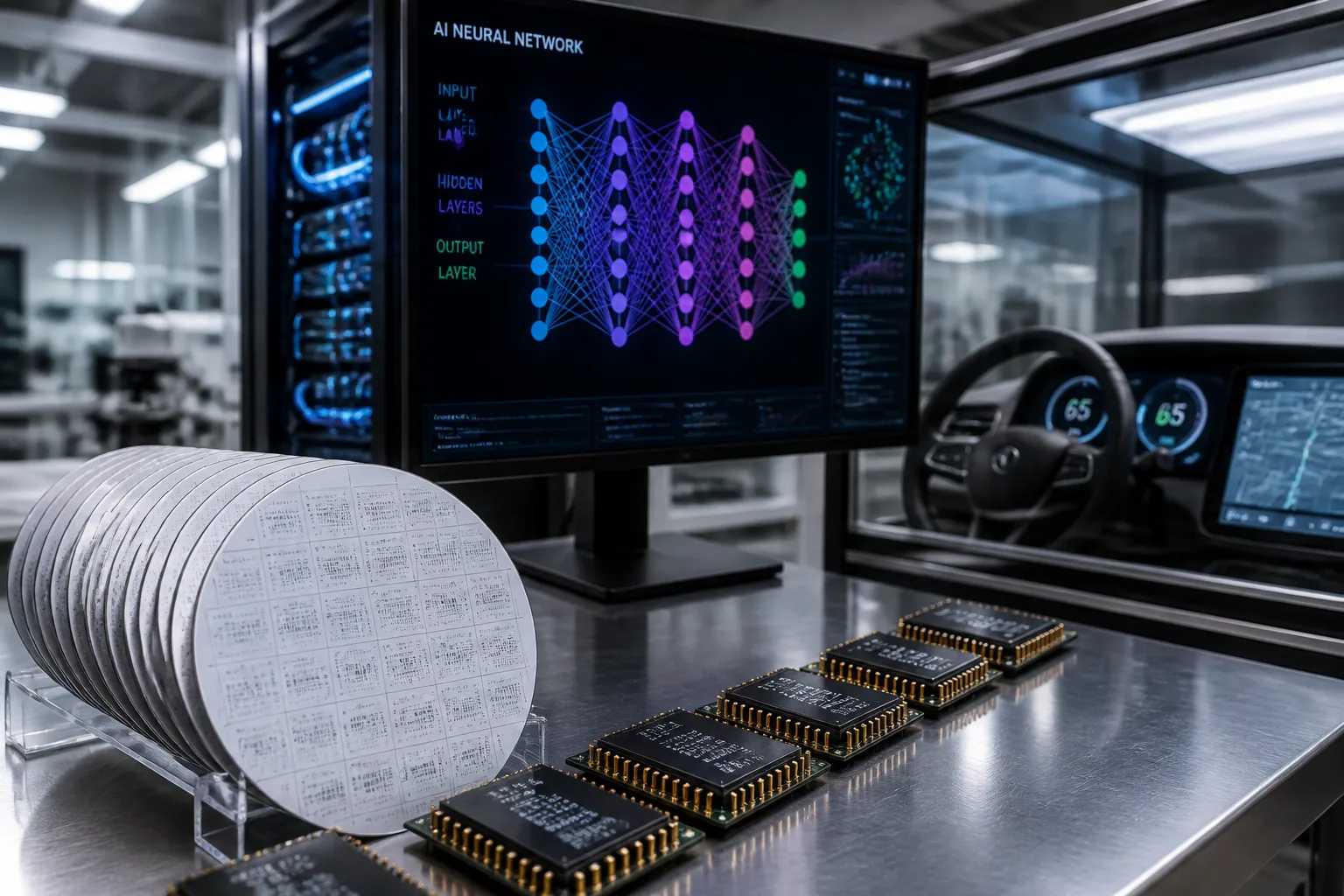
On May 26 2026, Micron Technology (MU) crossed the $1 trillion market‑cap mark, a milestone that underscores its pivot from commodity DRAM to high‑bandwidth memory (HBM) for artificial‑intelligence accelerators. The company’s shares have risen more than 227 % in 2026 and 867 % over the past year, a performance that analysts attribute to the firm’s 100 % sell‑out of HBM capacity under multi‑year contracts. The result is pricing power that is rare in the memory sector.
Micron’s transformation is driven by the explosive growth of AI data centers, which require HBM to feed GPUs and other accelerators at the data rates needed for training and inference. CEO Sanjay Mehrotra has said the shift to HBM has moved Micron “from a commodity market to a high‑margin, strategic asset.” The company faces a 3‑to‑1 wafer‑capacity conversion ratio between HBM and DDR5, meaning that every wafer used for HBM reduces the amount available for general‑purpose memory.
Financially, Micron is on a solid trajectory. In the fourth quarter of 2024, it reported adjusted free cash flow of $3.08 billion and $8.12 billion for the full year. The company’s outlook for 2025 is underpinned by long‑term contracts that extend through 2029, according to the company’s podcast discussion.
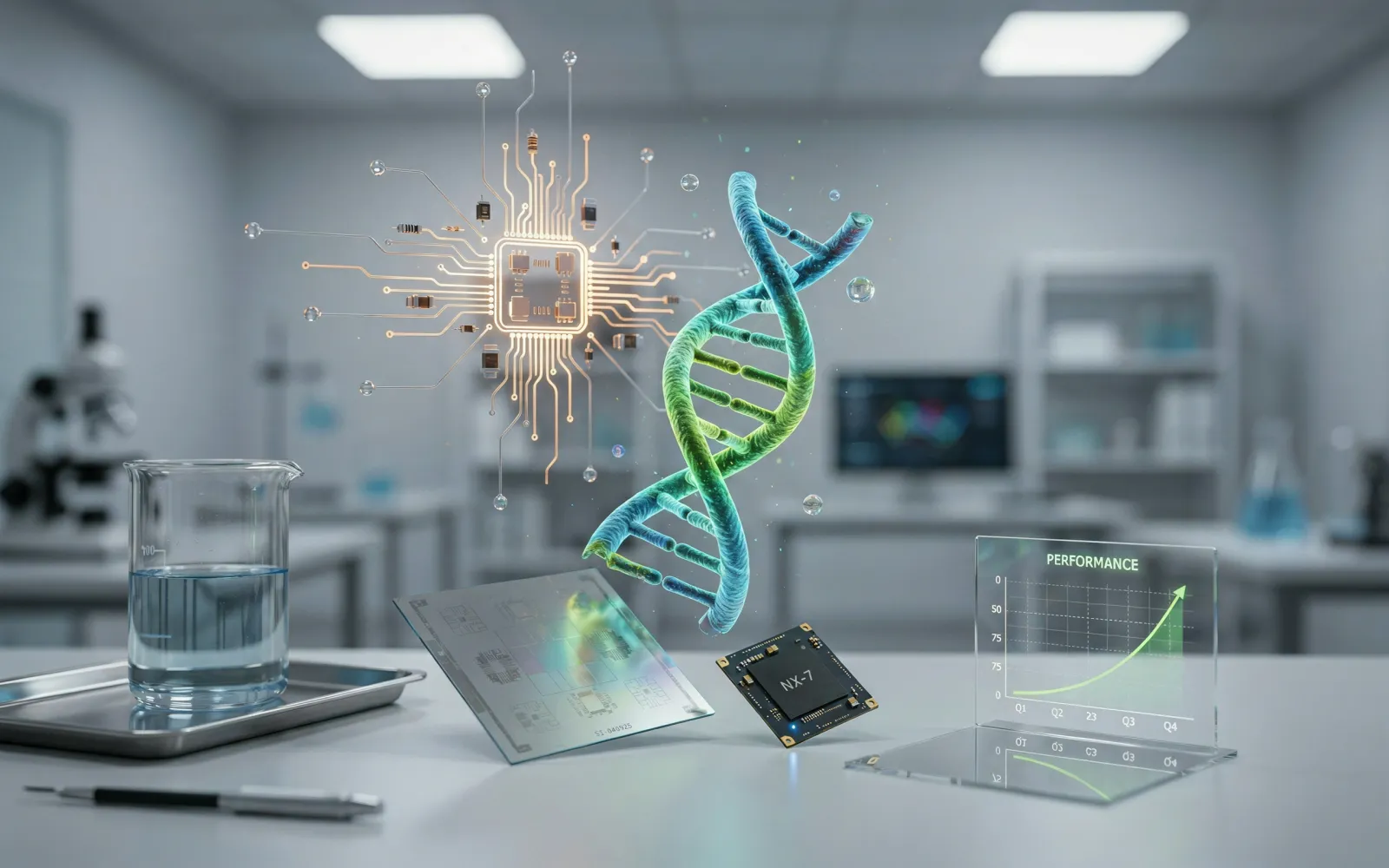
In the pharmaceutical arena, Eli Lilly (LLY) announced positive Phase 1b results for its base‑editing therapy VERVE‑102 on May 25 2026. The study, which enrolled 35 patients, showed a 62 % reduction in low‑density lipoprotein (LDL) cholesterol that persisted for up to 18 months. VERVE‑102 uses a CRISPR‑based approach to permanently silence the PCSK9 gene in the liver, potentially eliminating the need for daily statin medication. Lilly acquired the underlying technology from Verve Therapeutics last year for about $1 billion, and the U.S. Food and Drug Administration has fast‑tracked the product.
Phase 2 trials are slated to begin by the end of 2026, and Lilly plans further clinical development. The company’s broader strategy includes a $4 billion outlay on clinical‑stage vaccine assets, such as the shingles vaccine developer Curevo and a firm targeting Epstein‑Barr virus.
Zscaler (ZS), a cloud‑based cybersecurity provider, reported Q4 earnings after the market closed on May 28 2026. Revenue reached $850.5 million, up 25 % year‑over‑year, and adjusted earnings per share were $1.18. Zscaler forecast Q4 revenue of $875–$878 million, implying 22 % growth, but it cut its full‑year free‑cash‑flow‑margin guidance from 26.8 % to 23 % to reflect higher capital expenditures on AI‑enabled security tools and rising data‑center costs.
The company also announced the departure of two senior sales executives at the end of the quarter. Despite the margin downgrade, analysts noted that Zscaler’s annual recurring revenue from data‑security services exceeded $500 million and that the core business remains healthy. The stock fell about 30 % after the earnings release, a reaction that some market participants attribute to the margin cut and broader uncertainty around AI spending.
These three stories illustrate how different sectors are adapting to the AI boom. Micron’s move into HBM positions it as a key supplier for AI infrastructure, while Eli Lilly’s gene‑editing work could reshape treatment for hypercholesterolemia. Zscaler’s earnings highlight the capital intensity of building AI‑driven security solutions, even as the company’s fundamentals remain solid.
Investors will watch the next quarterly reports from Micron and Zscaler for updated guidance, and Eli Lilly’s Phase 2 data will be a key milestone for the VERVE‑102 program. The outcomes of these developments will inform valuations and strategic decisions across the semiconductor, pharmaceutical, and cybersecurity industries.
Micron’s transformation is driven by the explosive growth of AI data centers, which require HBM to feed GPUs and other accelerators at the data rates needed for training and inference. CEO Sanjay Mehrotra has said the shift to HBM has moved Micron “from a commodity market to a high‑margin, strategic asset.” The company faces a 3‑to‑1 wafer‑capacity conversion ratio between HBM and DDR5, meaning that every wafer used for HBM reduces the amount available for general‑purpose memory.
Financially, Micron is on a solid trajectory. In the fourth quarter of 2024, it reported adjusted free cash flow of $3.08 billion and $8.12 billion for the full year. The company’s outlook for 2025 is underpinned by long‑term contracts that extend through 2029, according to the company’s podcast discussion.
In the pharmaceutical arena, Eli Lilly (LLY) announced positive Phase 1b results for its base‑editing therapy VERVE‑102 on May 25 2026. The study, which enrolled 35 patients, showed a 62 % reduction in low‑density lipoprotein (LDL) cholesterol that persisted for up to 18 months. VERVE‑102 uses a CRISPR‑based approach to permanently silence the PCSK9 gene in the liver, potentially eliminating the need for daily statin medication. Lilly acquired the underlying technology from Verve Therapeutics last year for about $1 billion, and the U.S. Food and Drug Administration has fast‑tracked the product.
Phase 2 trials are slated to begin by the end of 2026, and Lilly plans further clinical development. The company’s broader strategy includes a $4 billion outlay on clinical‑stage vaccine assets, such as the shingles vaccine developer Curevo and a firm targeting Epstein‑Barr virus.
Zscaler (ZS), a cloud‑based cybersecurity provider, reported Q4 earnings after the market closed on May 28 2026. Revenue reached $850.5 million, up 25 % year‑over‑year, and adjusted earnings per share were $1.18. Zscaler forecast Q4 revenue of $875–$878 million, implying 22 % growth, but it cut its full‑year free‑cash‑flow‑margin guidance from 26.8 % to 23 % to reflect higher capital expenditures on AI‑enabled security tools and rising data‑center costs.
The company also announced the departure of two senior sales executives at the end of the quarter. Despite the margin downgrade, analysts noted that Zscaler’s annual recurring revenue from data‑security services exceeded $500 million and that the core business remains healthy. The stock fell about 30 % after the earnings release, a reaction that some market participants attribute to the margin cut and broader uncertainty around AI spending.
These three stories illustrate how different sectors are adapting to the AI boom. Micron’s move into HBM positions it as a key supplier for AI infrastructure, while Eli Lilly’s gene‑editing work could reshape treatment for hypercholesterolemia. Zscaler’s earnings highlight the capital intensity of building AI‑driven security solutions, even as the company’s fundamentals remain solid.
Investors will watch the next quarterly reports from Micron and Zscaler for updated guidance, and Eli Lilly’s Phase 2 data will be a key milestone for the VERVE‑102 program. The outcomes of these developments will inform valuations and strategic decisions across the semiconductor, pharmaceutical, and cybersecurity industries.