Blab Business
Motorola Solutions Acquires Israeli Counter-Drone Firm D-Fend for $1.5 B
On June 1, 2026, Motorola Solutions (NYSE: MSI) announced a definitive agreement to acquire Israeli counter‑drone specialist D‑Fend Solutions for $1.5 billion in cash and stock. The deal adds a radio‑frequency (RF)–based counter‑drone platform that can isolate rogue aircraft while allowing authorized drones to continue operating.
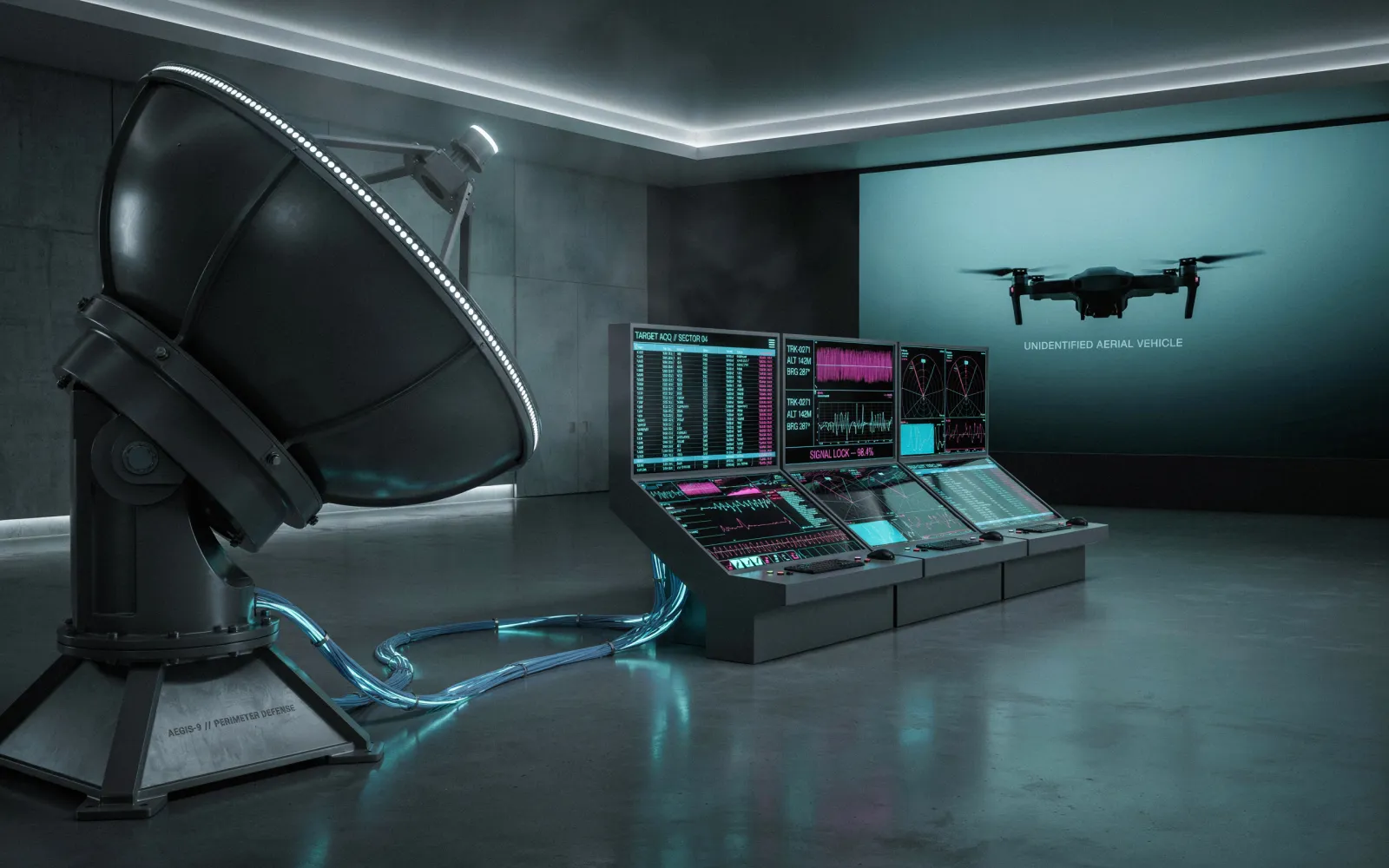
D‑Fend’s technology detects, identifies, and takes control of unauthorized unmanned aerial systems (UAS). According to Motorola, the system is already deployed in more than 30 countries and is expected to generate about $185 million in revenue in 2026. The firm has grown its annual revenue by over 50 % in the past three years, a pace Motorola said will help accelerate its own public‑safety offerings.
Motorola’s core businesses include land‑mobile radio (LMR) devices and networks, mobile ad‑hoc networks (MANET), and command‑center software that connects voice, video and data feeds for police, fire, and emergency medical services. The acquisition of D‑Fend is intended to reinforce Motorola’s leadership in the 911 and command‑center niche, where the company already serves more than 60 % of U.S. 911 centers.
The purchase also positions Motorola directly against Axon Enterprise (NASDAQ: AXON), a competitor that has built a similar ecosystem around body‑worn cameras, automated license‑plate readers, and dispatch software. Axon acquired Dedrone, a U.S. counter‑drone startup, in May 2024 for roughly $400 million. Dedrone’s technology, like D‑Fend’s, focuses on detecting and mitigating unauthorized drones. Both companies now offer integrated drone‑countermeasure solutions that can be embedded in their broader public‑safety platforms.
Motorola’s CEO, John H. McCormick, said the acquisition would “strengthen our ability to protect critical infrastructure and public spaces from the growing threat of rogue drones.” Axon’s leadership has similarly highlighted the importance of counter‑drone capabilities in its 2024 earnings call, noting that the Dedrone integration expands its “airspace security portfolio.”
The deal was announced amid a broader trend of public‑safety agencies seeking to secure low‑altitude airspace. Airports, stadiums, military bases and other high‑risk venues have reported increasing incidents of unauthorized drone activity. By adding D‑Fend’s RF‑based takeover technology, Motorola can offer a complete solution that protects both ground and air assets.
Motorola shares rose more than 2 % on the announcement, reflecting investor confidence in the strategic fit. The company said it will complete the transaction in the second quarter of 2026, subject to customary regulatory approvals.
The acquisition also deepens Motorola’s presence in Israel’s high‑tech ecosystem, a country known for its advanced defense and cybersecurity companies. D‑Fend’s founders and key engineers are based in Tel Aviv, a hub that has produced several successful technology startups.
While the deal strengthens Motorola’s public‑safety moat, it also intensifies competition with Axon. Both firms benefit from high switching costs because their hardware and software are tightly integrated into government and law‑enforcement operations. Analysts note that the addition of counter‑drone technology may give Motorola an edge in securing new contracts, but Axon’s earlier Dedrone acquisition has already positioned it as a serious challenger.
Motorola will report its second‑quarter 2026 earnings later this month. The company has not yet disclosed how the D‑Fend acquisition will affect its revenue guidance. Investors will likely watch for updates on the integration timeline and any new contract wins that leverage the combined RF and command‑center capabilities.
In summary, Motorola’s $1.5 billion purchase of D‑Fend Solutions expands its public‑safety product line with advanced counter‑drone technology, strengthens its position in the 911 and command‑center market, and heightens competition with Axon Enterprise, which also offers drone‑countermeasure solutions through its Dedrone acquisition.
D‑Fend’s technology detects, identifies, and takes control of unauthorized unmanned aerial systems (UAS). According to Motorola, the system is already deployed in more than 30 countries and is expected to generate about $185 million in revenue in 2026. The firm has grown its annual revenue by over 50 % in the past three years, a pace Motorola said will help accelerate its own public‑safety offerings.
Motorola’s core businesses include land‑mobile radio (LMR) devices and networks, mobile ad‑hoc networks (MANET), and command‑center software that connects voice, video and data feeds for police, fire, and emergency medical services. The acquisition of D‑Fend is intended to reinforce Motorola’s leadership in the 911 and command‑center niche, where the company already serves more than 60 % of U.S. 911 centers.
The purchase also positions Motorola directly against Axon Enterprise (NASDAQ: AXON), a competitor that has built a similar ecosystem around body‑worn cameras, automated license‑plate readers, and dispatch software. Axon acquired Dedrone, a U.S. counter‑drone startup, in May 2024 for roughly $400 million. Dedrone’s technology, like D‑Fend’s, focuses on detecting and mitigating unauthorized drones. Both companies now offer integrated drone‑countermeasure solutions that can be embedded in their broader public‑safety platforms.
Motorola’s CEO, John H. McCormick, said the acquisition would “strengthen our ability to protect critical infrastructure and public spaces from the growing threat of rogue drones.” Axon’s leadership has similarly highlighted the importance of counter‑drone capabilities in its 2024 earnings call, noting that the Dedrone integration expands its “airspace security portfolio.”
The deal was announced amid a broader trend of public‑safety agencies seeking to secure low‑altitude airspace. Airports, stadiums, military bases and other high‑risk venues have reported increasing incidents of unauthorized drone activity. By adding D‑Fend’s RF‑based takeover technology, Motorola can offer a complete solution that protects both ground and air assets.
Motorola shares rose more than 2 % on the announcement, reflecting investor confidence in the strategic fit. The company said it will complete the transaction in the second quarter of 2026, subject to customary regulatory approvals.
The acquisition also deepens Motorola’s presence in Israel’s high‑tech ecosystem, a country known for its advanced defense and cybersecurity companies. D‑Fend’s founders and key engineers are based in Tel Aviv, a hub that has produced several successful technology startups.
While the deal strengthens Motorola’s public‑safety moat, it also intensifies competition with Axon. Both firms benefit from high switching costs because their hardware and software are tightly integrated into government and law‑enforcement operations. Analysts note that the addition of counter‑drone technology may give Motorola an edge in securing new contracts, but Axon’s earlier Dedrone acquisition has already positioned it as a serious challenger.
Motorola will report its second‑quarter 2026 earnings later this month. The company has not yet disclosed how the D‑Fend acquisition will affect its revenue guidance. Investors will likely watch for updates on the integration timeline and any new contract wins that leverage the combined RF and command‑center capabilities.
In summary, Motorola’s $1.5 billion purchase of D‑Fend Solutions expands its public‑safety product line with advanced counter‑drone technology, strengthens its position in the 911 and command‑center market, and heightens competition with Axon Enterprise, which also offers drone‑countermeasure solutions through its Dedrone acquisition.