The History of Business Fairs: From Ancient Trade Markets to the Modern BizFair
Long before websites, email, video conferences, and social media transformed the way companies connect, business fairs served as the primary meeting place for commerce, networking, and innovation. For centuries, merchants, manufacturers, entrepreneurs, and investors gathered at organized events to showcase products, negotiate deals, discover new markets, and build relationships. Today, these events continue to play a vital role in the global economy, evolving into what many would recognize as a modern BizFair.
The origins of business fairs can be traced back thousands of years. Ancient civilizations in Mesopotamia, Egypt, Greece, and Rome organized large marketplaces where traders from different regions exchanged goods, services, and information. These gatherings were more than simple markets. They became centers of economic activity where merchants established partnerships and introduced products to new customers.
During the Middle Ages, trade fairs became increasingly important throughout Europe. Events such as the famous Champagne Fairs in France attracted merchants from across the continent. Traders brought textiles, spices, metals, livestock, and luxury goods from distant regions. These fairs helped connect local economies into larger commercial networks and played a significant role in the development of international trade.
As commerce expanded during the Renaissance and Industrial Revolution, business exhibitions began to evolve beyond simple buying and selling. Manufacturers sought opportunities to demonstrate machinery, inventions, and industrial capabilities. Governments and trade organizations recognized that large exhibitions could stimulate economic growth and encourage innovation.
One of the most influential events in business fair history was the 1851 Great Exhibition in London. Hosted inside the Crystal Palace, the event showcased industrial achievements, engineering breakthroughs, and products from around the world. Millions of visitors attended, making it one of the largest and most successful exhibitions of its era. The Great Exhibition established a model that many future trade shows and business fairs would follow.
The late nineteenth and early twentieth centuries saw the rise of world's fairs, industrial expositions, and specialized trade events. These gatherings became showcases for technological progress, manufacturing capabilities, and emerging industries. Businesses increasingly viewed exhibitions as marketing opportunities where they could introduce products directly to potential customers and partners.
Following World War II, business fairs entered a new phase of growth. Expanding global trade, improved transportation, and economic development created demand for larger and more specialized industry events. Trade shows emerged for virtually every sector, including manufacturing, agriculture, healthcare, technology, construction, finance, and consumer goods.
By the 1980s and 1990s, business fairs had become major economic engines. Large convention centers were built to host thousands of exhibitors and attendees. Companies invested heavily in exhibition booths, demonstrations, sponsorships, and networking events. Trade shows became an essential component of many corporate marketing strategies.
Technology transformed the industry once again during the internet era. Online registration systems, digital exhibitor directories, mobile applications, and virtual event platforms expanded the reach of traditional business fairs. Companies could connect with attendees before, during, and after events through digital channels.
The COVID-19 pandemic accelerated another major shift. As in-person gatherings became restricted, organizations rapidly adopted virtual conferences and hybrid events. Business fairs that once relied entirely on physical exhibition halls began incorporating livestreams, online networking, digital booths, and remote presentations. While many events eventually returned to in-person formats, hybrid experiences remain common throughout the industry.
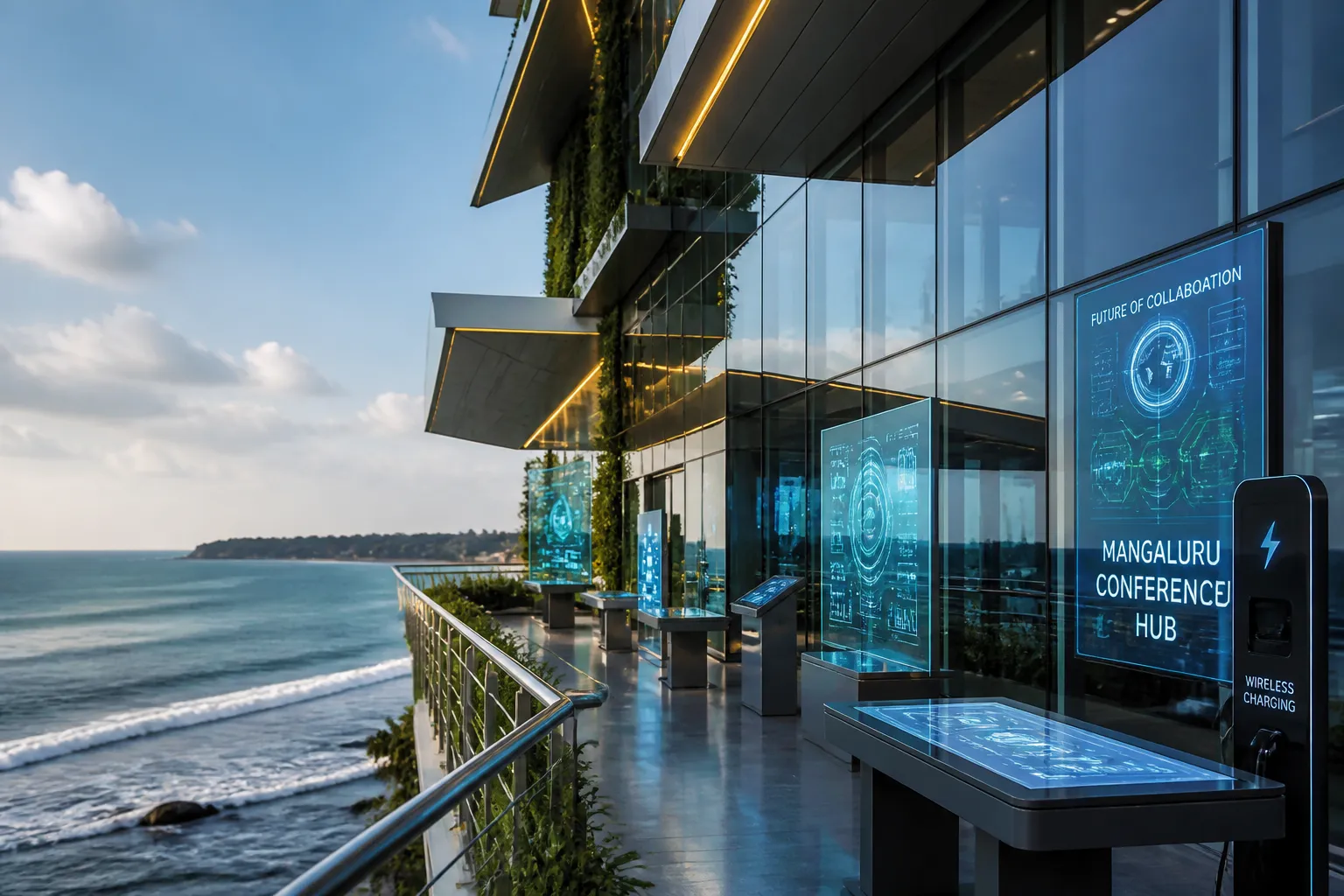
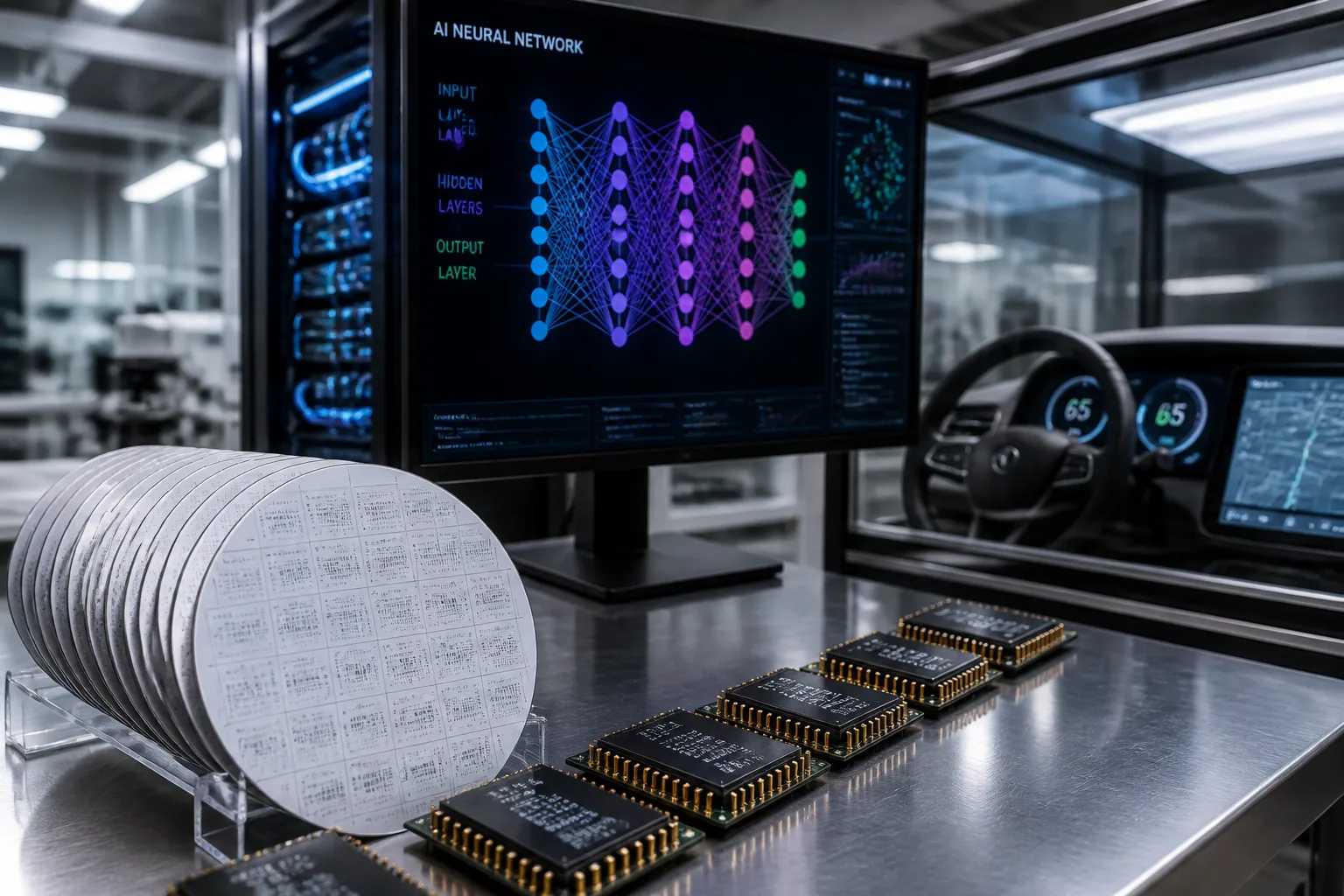
Today, the modern BizFair combines centuries-old networking traditions with advanced technology. Attendees can discover exhibitors online, schedule meetings through mobile apps, participate in virtual sessions, and access presentations from anywhere in the world. Artificial intelligence, digital matchmaking, and data analytics are increasingly helping organizers connect businesses with relevant customers and partners.
Despite dramatic technological changes, the core purpose of business fairs has remained remarkably consistent. Organizations continue to gather to showcase products, generate leads, form partnerships, exchange ideas, and explore new opportunities. Whether taking place in a medieval marketplace, a nineteenth-century exhibition hall, a modern convention center, or a virtual platform, the fundamental goal remains the same: bringing people together to do business.
As industries continue to evolve and new technologies emerge, business fairs are likely to adapt once again. Yet their long history demonstrates that face-to-face interaction, relationship building, and the sharing of ideas remain essential parts of commerce. The modern BizFair may look very different from the trade markets of ancient civilizations, but it continues a tradition that has helped drive economic growth and innovation for thousands of years.