Blab Business
Xcel Energy, Google Partner to Fund 750-MW Minnesota Data Center, Saving Ratepayers $1.5 B
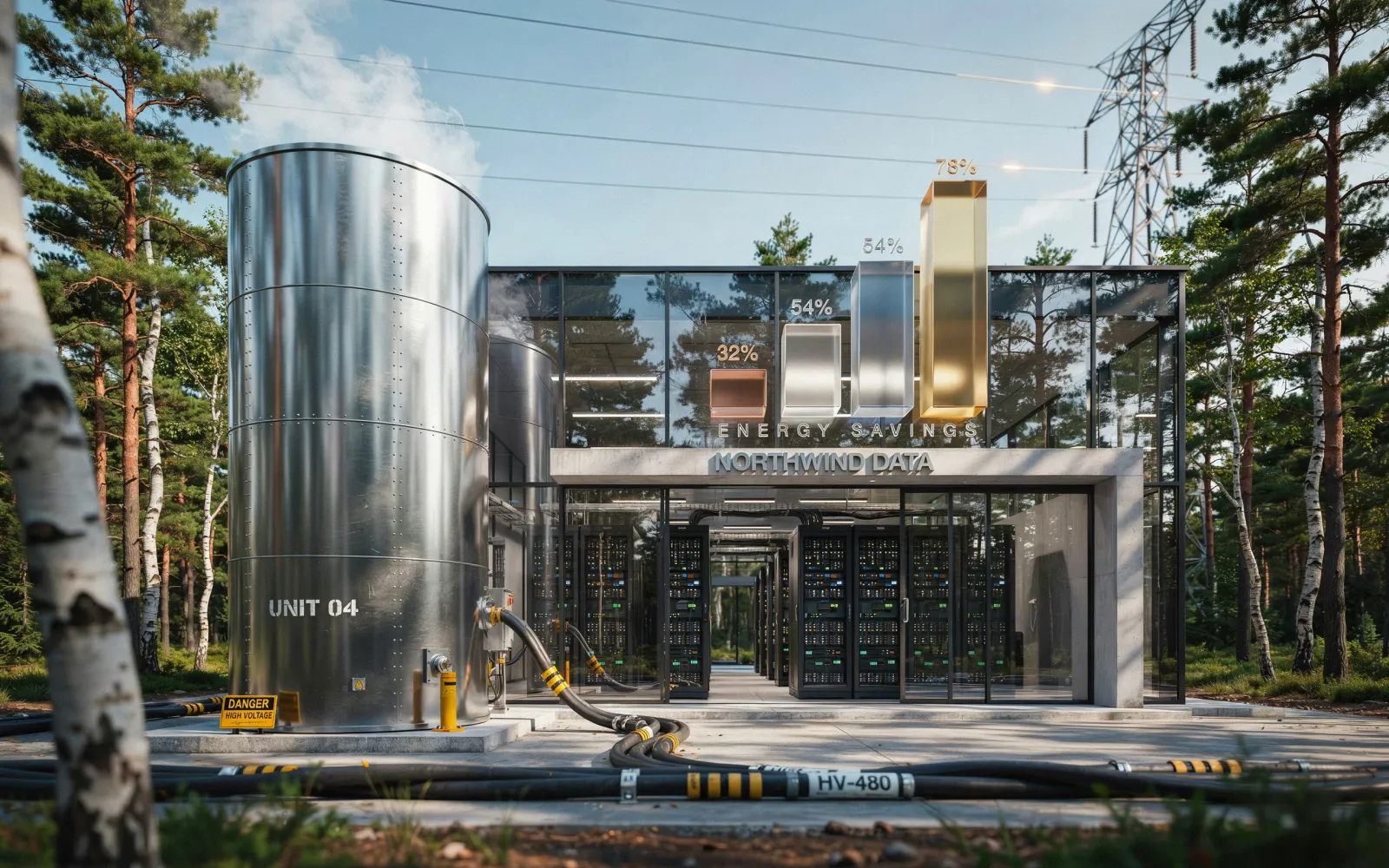
In a move that could reshape how data centers are powered, Xcel Energy Inc. and Google LLC have signed an electric‑service agreement that will cover every infrastructure cost for a 750‑megawatt campus in Pine Island, Minnesota. Under the deal, Google will bankroll new transmission lines, renewable generation, and large‑scale battery storage, while Minnesota’s residential and small‑business customers are projected to save up to $1.5 billion over the life of the agreement.
The partnership sits squarely within Xcel’s newly announced five‑year capital plan, which has been lifted 33 percent to $60 billion. The plan allocates $15.4 billion for electric transmission, $13.9 billion for renewables, $13.7 billion for distribution, and $9.5 billion for generation—assets that data‑center operators demand most. The funding mix comes from $30.2 billion of cash from operations, $22.8 billion of new debt, and $7 billion of equity issuances.
Google’s contribution covers every bill, including full transmission rates that utilities normally discount for large customers. The agreement also incorporates a Clean Energy Accelerator Charge that will fund 1,900 MW of clean‑energy resources and a partnership with privately held Form Energy to build the region’s largest long‑duration energy‑storage project.
"Our data‑center agreement in the Upper Midwest with Google in the quarter sets a high bar for ongoing community development and investment for data centers – protecting residential bills, advancing sustainability goals, and preserving precious water resources in the local community," CEO Bob Frenzel said on Xcel’s Q1 earnings call.
The deal is engineered to keep residential transmission costs low. Xcel projects a 1–2 percent drop in residential rates over the next 15 years, with savings to ratepayers expected to reach $1.10 billion over the contract’s life and up to $1.5 billion over 15 years.
Xcel’s eight‑state footprint could replicate the model. If the cost structure used for the Minnesota campus is applied across the company’s service area, the $60 billion capital plan would represent only the minimum investment needed to support future hyperscale data‑center growth.
The partnership aligns with Xcel’s long‑term climate commitments. In 2018, the utility set a goal of 100 percent clean, carbon‑free electricity by 2050 and an 80 percent carbon reduction by 2035. The new data‑center agreement is consistent with that trajectory, relying on wind, solar, and battery storage rather than fossil‑fuel generation.
By shifting the burden of infrastructure investment to the data‑center operator, Xcel sidesteps the political backlash that often accompanies ratepayer subsidies for large industrial customers.
Construction timelines for the 750‑MW campus have not yet been disclosed, but Xcel and Google have indicated that the project will support core services such as Google Workspace and Search.
In summary, Xcel Energy’s partnership with Google represents a new model for utility‑hyperscaler collaboration: the deal funds all necessary infrastructure, delivers clean energy, and delivers measurable savings to Minnesota ratepayers while supporting the company’s climate goals.
The partnership sits squarely within Xcel’s newly announced five‑year capital plan, which has been lifted 33 percent to $60 billion. The plan allocates $15.4 billion for electric transmission, $13.9 billion for renewables, $13.7 billion for distribution, and $9.5 billion for generation—assets that data‑center operators demand most. The funding mix comes from $30.2 billion of cash from operations, $22.8 billion of new debt, and $7 billion of equity issuances.
Google’s contribution covers every bill, including full transmission rates that utilities normally discount for large customers. The agreement also incorporates a Clean Energy Accelerator Charge that will fund 1,900 MW of clean‑energy resources and a partnership with privately held Form Energy to build the region’s largest long‑duration energy‑storage project.
"Our data‑center agreement in the Upper Midwest with Google in the quarter sets a high bar for ongoing community development and investment for data centers – protecting residential bills, advancing sustainability goals, and preserving precious water resources in the local community," CEO Bob Frenzel said on Xcel’s Q1 earnings call.
The deal is engineered to keep residential transmission costs low. Xcel projects a 1–2 percent drop in residential rates over the next 15 years, with savings to ratepayers expected to reach $1.10 billion over the contract’s life and up to $1.5 billion over 15 years.
Xcel’s eight‑state footprint could replicate the model. If the cost structure used for the Minnesota campus is applied across the company’s service area, the $60 billion capital plan would represent only the minimum investment needed to support future hyperscale data‑center growth.
The partnership aligns with Xcel’s long‑term climate commitments. In 2018, the utility set a goal of 100 percent clean, carbon‑free electricity by 2050 and an 80 percent carbon reduction by 2035. The new data‑center agreement is consistent with that trajectory, relying on wind, solar, and battery storage rather than fossil‑fuel generation.
By shifting the burden of infrastructure investment to the data‑center operator, Xcel sidesteps the political backlash that often accompanies ratepayer subsidies for large industrial customers.
Construction timelines for the 750‑MW campus have not yet been disclosed, but Xcel and Google have indicated that the project will support core services such as Google Workspace and Search.
In summary, Xcel Energy’s partnership with Google represents a new model for utility‑hyperscaler collaboration: the deal funds all necessary infrastructure, delivers clean energy, and delivers measurable savings to Minnesota ratepayers while supporting the company’s climate goals.