Blab Business
Levis Files New Lawsuit Against Australian Brands Over Pocket Tab Design
When Levi’s hit the court in California, it wasn’t a battle over denim, but a fight over a tiny strip of fabric that has become a signature of authenticity for the brand. On June 5 2026, Levi Strauss & Co. filed a complaint in the U.S. District Court for the Northern District of California accusing Melbourne‑based Globe and its S‑Double label of copying Levi’s iconic pocket tab.
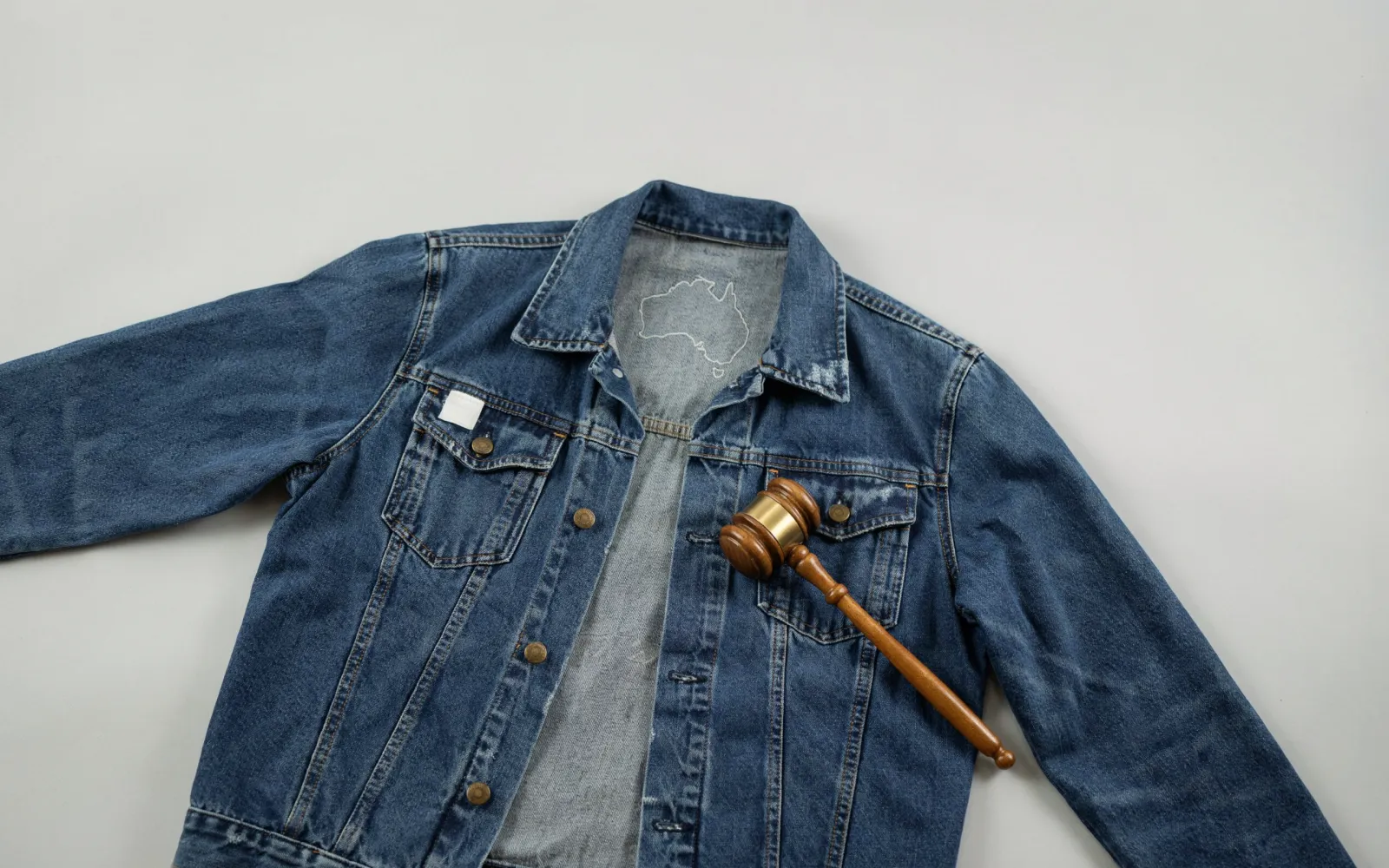
The pocket tab is a small strip of fabric that has graced Levi’s products since 1936. Levi’s says the tab was introduced to help consumers spot genuine jeans at a glance and has evolved into a key element of the brand’s visual identity. The company claims the tab signals authenticity, quality and brand origin, even when the Levi’s name is not visible. Levi’s protects the shape of the tab as well as its colour, using red, white and blank variations.
In the complaint, Levi’s alleges that S‑Double has marketed garments featuring tabs attached to the vertical seam of a rear pocket in a manner it deems “confusingly similar” to its registered trademark. The lawsuit also claims that the Australian brand breached a 2010 settlement that required S‑Double to refrain from selling any garments with a label or tab‑like device on the rear pocket seam.
The earlier dispute dates back roughly fifteen years. Levi’s sued S‑Double in 2011 over a similar issue, and the parties reached a settlement that included a prohibition on selling garments with a tab‑like device on the rear pocket seam. Levi’s says it received no response to its recent demands for a cease‑and‑desist and sales‑information requests, prompting the new filing.
Globe, the parent company of S‑Double, is a Melbourne‑based apparel group that markets a range of street‑wear and casual clothing. The lawsuit names Globe as a co‑defendant, citing its role in distributing S‑Double products.
Levi’s seeks an injunction to stop Globe and S‑Double from selling the disputed items, as well as damages, interest and legal costs. The company also requests that the court compel the defendants to provide a full list of purchasers of the infringing products since 2011.
The case fits into a broader pattern of Levi’s litigation over its pocket tab. In recent years the company has sued other fashion houses, including Yves Saint Laurent and Brunello Cucinelli, over similar design elements. Levi’s argues that the tab is a distinctive trade‑dress feature that protects its brand equity.
Industry observers note that the lawsuit underscores the importance of small design details in fashion IP disputes. While the tab is physically minor, it carries decades of consumer recognition and brand value. The outcome of the case could influence how apparel brands approach design elements that resemble established trademarks.
As of now, no court ruling has been issued. Levi’s has not announced a specific deadline for the defendants to comply with its demands. The parties are expected to engage in discovery and potentially settlement discussions in the coming months.
The lawsuit highlights the ongoing tension between fashion innovation and intellectual property protection. Levi’s maintains that its pocket tab is a protected trade‑dress element, while Globe and S‑Double contend that the design is a functional feature common to many garments.
The legal dispute remains unresolved. Levi’s will likely wait for a court decision before determining whether to pursue further action or negotiate a settlement. The case will be monitored by fashion and IP lawyers, as it may set precedents for how small design details are treated under U.S. trademark law.
In the meantime, Levi’s continues to defend its brand identity through a combination of legal action and marketing initiatives that emphasize the historical significance of the pocket tab. The outcome of the current lawsuit will be closely watched by competitors and consumers alike.
The pocket tab is a small strip of fabric that has graced Levi’s products since 1936. Levi’s says the tab was introduced to help consumers spot genuine jeans at a glance and has evolved into a key element of the brand’s visual identity. The company claims the tab signals authenticity, quality and brand origin, even when the Levi’s name is not visible. Levi’s protects the shape of the tab as well as its colour, using red, white and blank variations.
In the complaint, Levi’s alleges that S‑Double has marketed garments featuring tabs attached to the vertical seam of a rear pocket in a manner it deems “confusingly similar” to its registered trademark. The lawsuit also claims that the Australian brand breached a 2010 settlement that required S‑Double to refrain from selling any garments with a label or tab‑like device on the rear pocket seam.
The earlier dispute dates back roughly fifteen years. Levi’s sued S‑Double in 2011 over a similar issue, and the parties reached a settlement that included a prohibition on selling garments with a tab‑like device on the rear pocket seam. Levi’s says it received no response to its recent demands for a cease‑and‑desist and sales‑information requests, prompting the new filing.
Globe, the parent company of S‑Double, is a Melbourne‑based apparel group that markets a range of street‑wear and casual clothing. The lawsuit names Globe as a co‑defendant, citing its role in distributing S‑Double products.
Levi’s seeks an injunction to stop Globe and S‑Double from selling the disputed items, as well as damages, interest and legal costs. The company also requests that the court compel the defendants to provide a full list of purchasers of the infringing products since 2011.
The case fits into a broader pattern of Levi’s litigation over its pocket tab. In recent years the company has sued other fashion houses, including Yves Saint Laurent and Brunello Cucinelli, over similar design elements. Levi’s argues that the tab is a distinctive trade‑dress feature that protects its brand equity.
Industry observers note that the lawsuit underscores the importance of small design details in fashion IP disputes. While the tab is physically minor, it carries decades of consumer recognition and brand value. The outcome of the case could influence how apparel brands approach design elements that resemble established trademarks.
As of now, no court ruling has been issued. Levi’s has not announced a specific deadline for the defendants to comply with its demands. The parties are expected to engage in discovery and potentially settlement discussions in the coming months.
The lawsuit highlights the ongoing tension between fashion innovation and intellectual property protection. Levi’s maintains that its pocket tab is a protected trade‑dress element, while Globe and S‑Double contend that the design is a functional feature common to many garments.
The legal dispute remains unresolved. Levi’s will likely wait for a court decision before determining whether to pursue further action or negotiate a settlement. The case will be monitored by fashion and IP lawyers, as it may set precedents for how small design details are treated under U.S. trademark law.
In the meantime, Levi’s continues to defend its brand identity through a combination of legal action and marketing initiatives that emphasize the historical significance of the pocket tab. The outcome of the current lawsuit will be closely watched by competitors and consumers alike.