Blab Business
Trump Tariffs on 59 Countries Threaten Global Textile Supply Chains and Labor Conditions
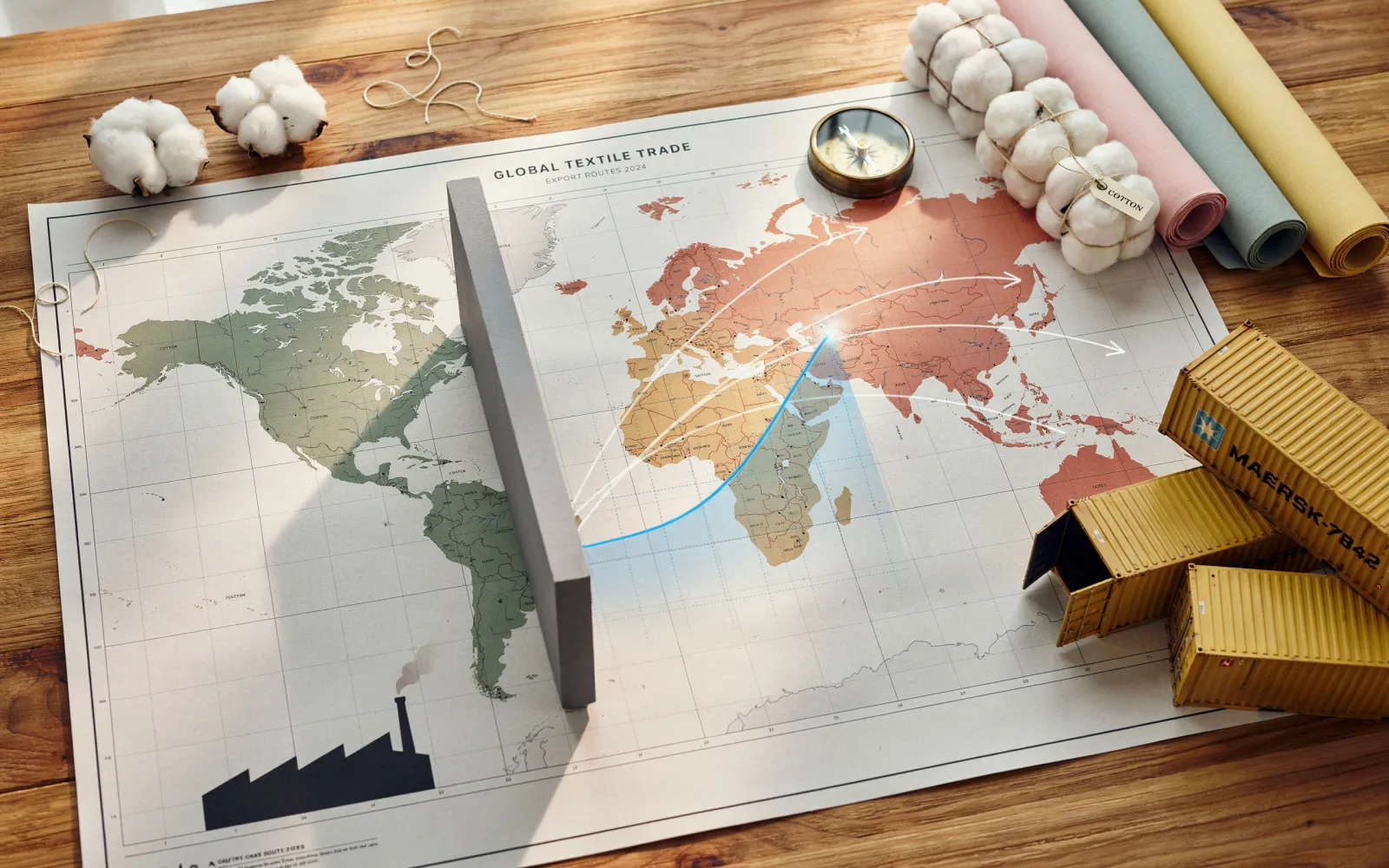
The Trump administration has unveiled a new wave of duties that could push import taxes to 12.5 percent on goods from 59 nations, including Bangladesh, China, India and Vietnam—key nodes in the world’s textile network. The measure, issued under Section 301 of the Trade Act of 1974, follows a series of earlier tariffs that have already rattled sourcing markets.
Cascale’s Better Buying program, which surveys suppliers about their buyers’ practices, warned on Tuesday that the cost pressures from these duties could destabilise suppliers and exacerbate working‑condition violations. “Regardless of the intent behind these measures, it is important to consider how resulting cost pressures are managed throughout global supply chains,” said Katie Hess, head of product at Better Buying’s responsible purchasing practices arm.
Section 301 grants the president the authority to impose tariffs or other actions against trade practices the U.S. deems unfair or that breach international agreements. The new duties target the same countries that were hit by the administration’s earlier “Liberation Day” tariffs, which the Supreme Court struck down in February but were quickly replaced by temporary Section 122 tariffs that could last up to 150 days.
The tariffs are expected to lift the cost of raw materials and finished goods for U.S. apparel producers. In India, where tariffs rose to as much as 50 percent last year, the Asia Floor Wage Alliance (AFWA) found that suppliers passed the cost increases onto workers through higher workloads and lower wages. Women and non‑union migrant labourers were often the first to be terminated without severance.
The EU has also taken steps to curb forced‑labour concerns. A 2024 regulation bans the sale, import and export of products made with forced labour, and the ban will take full effect on 14 December 2027, meaning that any goods linked to forced labour can be withdrawn from the EU market or blocked at the border.
Supplier feedback collected through Better Buying shows that periods of commercial uncertainty and financial pressure amplify operational strain. Suppliers report greater challenges related to planning stability, cost absorption, production changes and order volatility. When these pressures intensify, risks associated with excessive overtime, unauthorized subcontracting and other labour‑rights concerns can also rise.
The tariffs also arrive as the U.S. seeks to replace roughly US$1.6 trillion in lost tariff revenue that was eliminated by the Supreme Court’s decision to strike down a range of the president’s import taxes. The new duties are part of that effort.
Industry observers note that the combination of U.S. tariffs and the EU forced‑labour ban could push brands to re‑evaluate their sourcing strategies. The Better Buying program stresses that purchasing decisions are within a company’s control, even when trade policy is not. “Trade policy changes may be outside the control of individual companies, but purchasing decisions are not,” Hess said.
The program’s findings suggest that buyers should focus on fair terms, predictable planning and constant engagement with suppliers. These fundamentals become even more critical during periods of turmoil, when maintaining stable operations and supporting workers grows more challenging.
The situation remains fluid. The new tariffs are scheduled to take effect on 1 July 2026, and the Section 122 tariffs will expire on 24 July. The EU regulation will not fully activate until December 2027. Companies will need to monitor how these developments affect their supply chains, labour‑rights compliance and cost structures.
The next steps for brands will involve reassessing sourcing contracts, strengthening communication with suppliers, and ensuring that any cost increases are shared fairly. The outcome of these adjustments will determine whether the industry can maintain resilient supply chains while protecting worker well‑being.
Cascale’s Better Buying program, which surveys suppliers about their buyers’ practices, warned on Tuesday that the cost pressures from these duties could destabilise suppliers and exacerbate working‑condition violations. “Regardless of the intent behind these measures, it is important to consider how resulting cost pressures are managed throughout global supply chains,” said Katie Hess, head of product at Better Buying’s responsible purchasing practices arm.
Section 301 grants the president the authority to impose tariffs or other actions against trade practices the U.S. deems unfair or that breach international agreements. The new duties target the same countries that were hit by the administration’s earlier “Liberation Day” tariffs, which the Supreme Court struck down in February but were quickly replaced by temporary Section 122 tariffs that could last up to 150 days.
The tariffs are expected to lift the cost of raw materials and finished goods for U.S. apparel producers. In India, where tariffs rose to as much as 50 percent last year, the Asia Floor Wage Alliance (AFWA) found that suppliers passed the cost increases onto workers through higher workloads and lower wages. Women and non‑union migrant labourers were often the first to be terminated without severance.
The EU has also taken steps to curb forced‑labour concerns. A 2024 regulation bans the sale, import and export of products made with forced labour, and the ban will take full effect on 14 December 2027, meaning that any goods linked to forced labour can be withdrawn from the EU market or blocked at the border.
Supplier feedback collected through Better Buying shows that periods of commercial uncertainty and financial pressure amplify operational strain. Suppliers report greater challenges related to planning stability, cost absorption, production changes and order volatility. When these pressures intensify, risks associated with excessive overtime, unauthorized subcontracting and other labour‑rights concerns can also rise.
The tariffs also arrive as the U.S. seeks to replace roughly US$1.6 trillion in lost tariff revenue that was eliminated by the Supreme Court’s decision to strike down a range of the president’s import taxes. The new duties are part of that effort.
Industry observers note that the combination of U.S. tariffs and the EU forced‑labour ban could push brands to re‑evaluate their sourcing strategies. The Better Buying program stresses that purchasing decisions are within a company’s control, even when trade policy is not. “Trade policy changes may be outside the control of individual companies, but purchasing decisions are not,” Hess said.
The program’s findings suggest that buyers should focus on fair terms, predictable planning and constant engagement with suppliers. These fundamentals become even more critical during periods of turmoil, when maintaining stable operations and supporting workers grows more challenging.
The situation remains fluid. The new tariffs are scheduled to take effect on 1 July 2026, and the Section 122 tariffs will expire on 24 July. The EU regulation will not fully activate until December 2027. Companies will need to monitor how these developments affect their supply chains, labour‑rights compliance and cost structures.
The next steps for brands will involve reassessing sourcing contracts, strengthening communication with suppliers, and ensuring that any cost increases are shared fairly. The outcome of these adjustments will determine whether the industry can maintain resilient supply chains while protecting worker well‑being.