Blab Business
JinkoSolar to Power New Desert AI Data Center, Expanding Solar Footprint
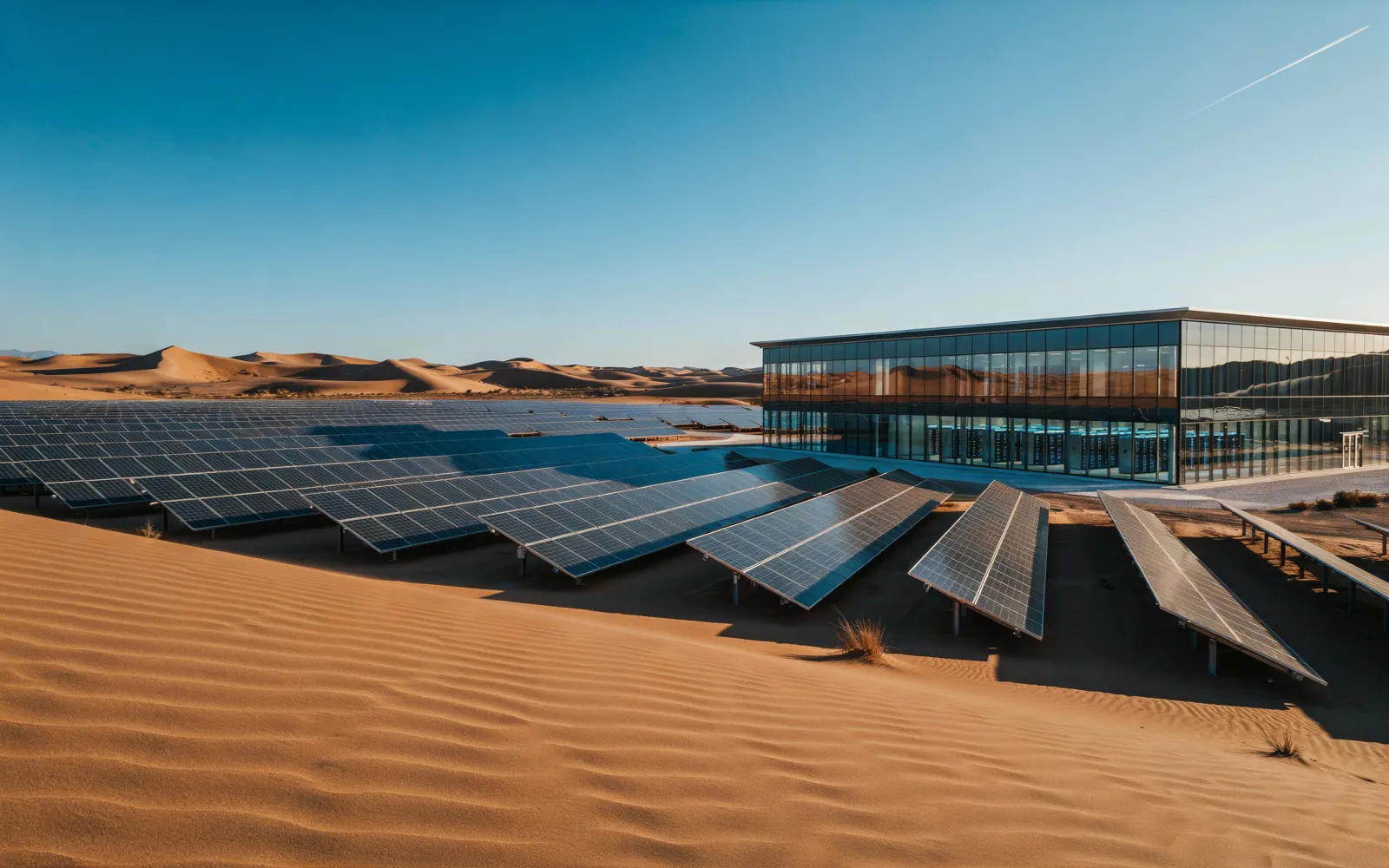
JinkoSolar Holding Co., Ltd. announced on 11 June 2026 that it will supply electricity directly from its solar power plants to a new artificial‑intelligence (AI) data center in China’s western desert. The company says the move is part of a strategy to diversify revenue by operating the data center alongside its existing solar‑panel manufacturing.
JinkoSolar is one of China’s largest photovoltaic (PV) module makers. The firm is listed on the New York Stock Exchange (NYSE: JKS) and Shanghai’s Science and Technology Innovation Board (SSE: 688223) and runs a global supply chain that spans polysilicon, silicon wafers, batteries and finished modules. China’s PV capacity exceeded 1,100 GW in June 2025, with most farms concentrated in the western provinces where abundant sunshine and low population density make large‑scale projects economical.
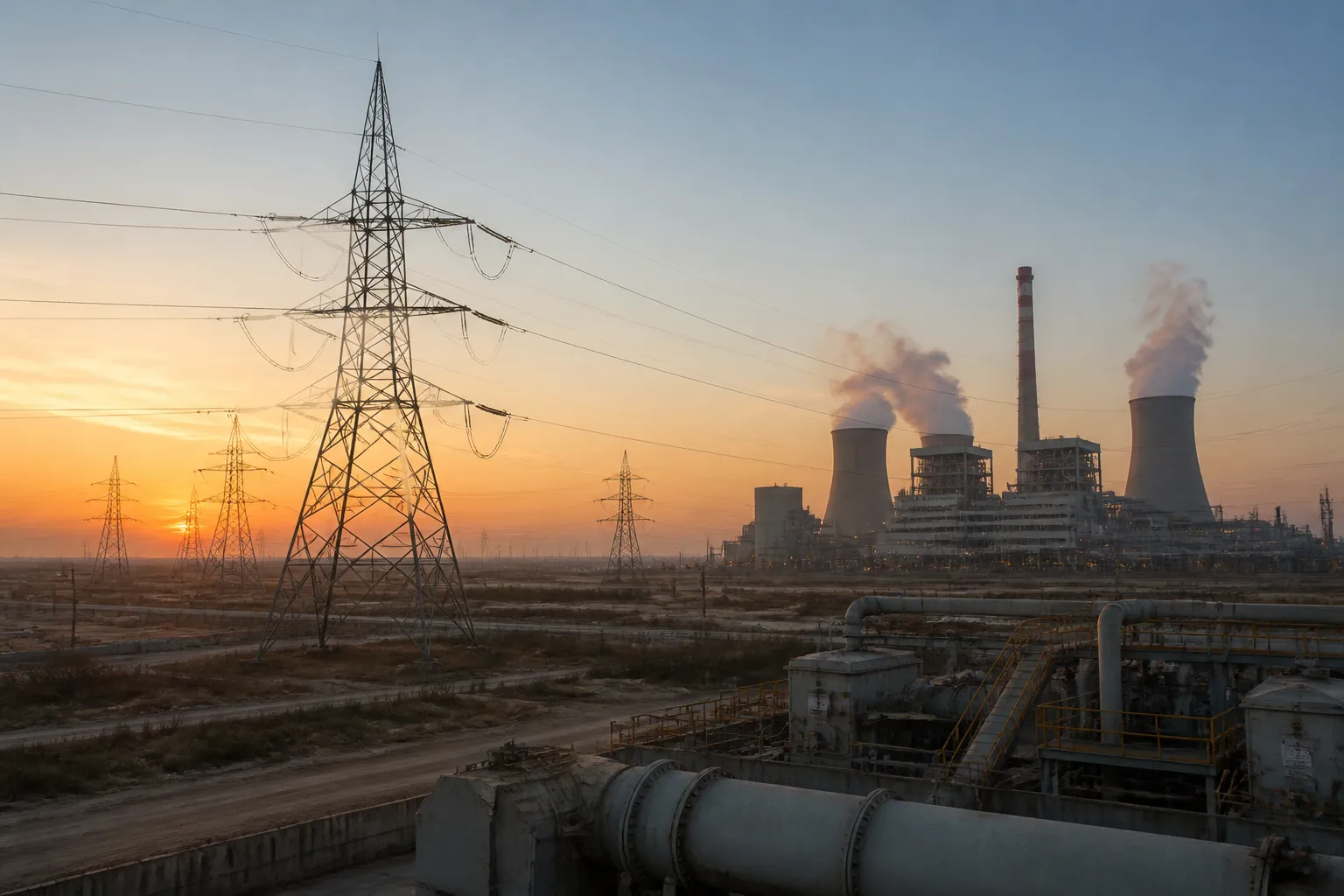
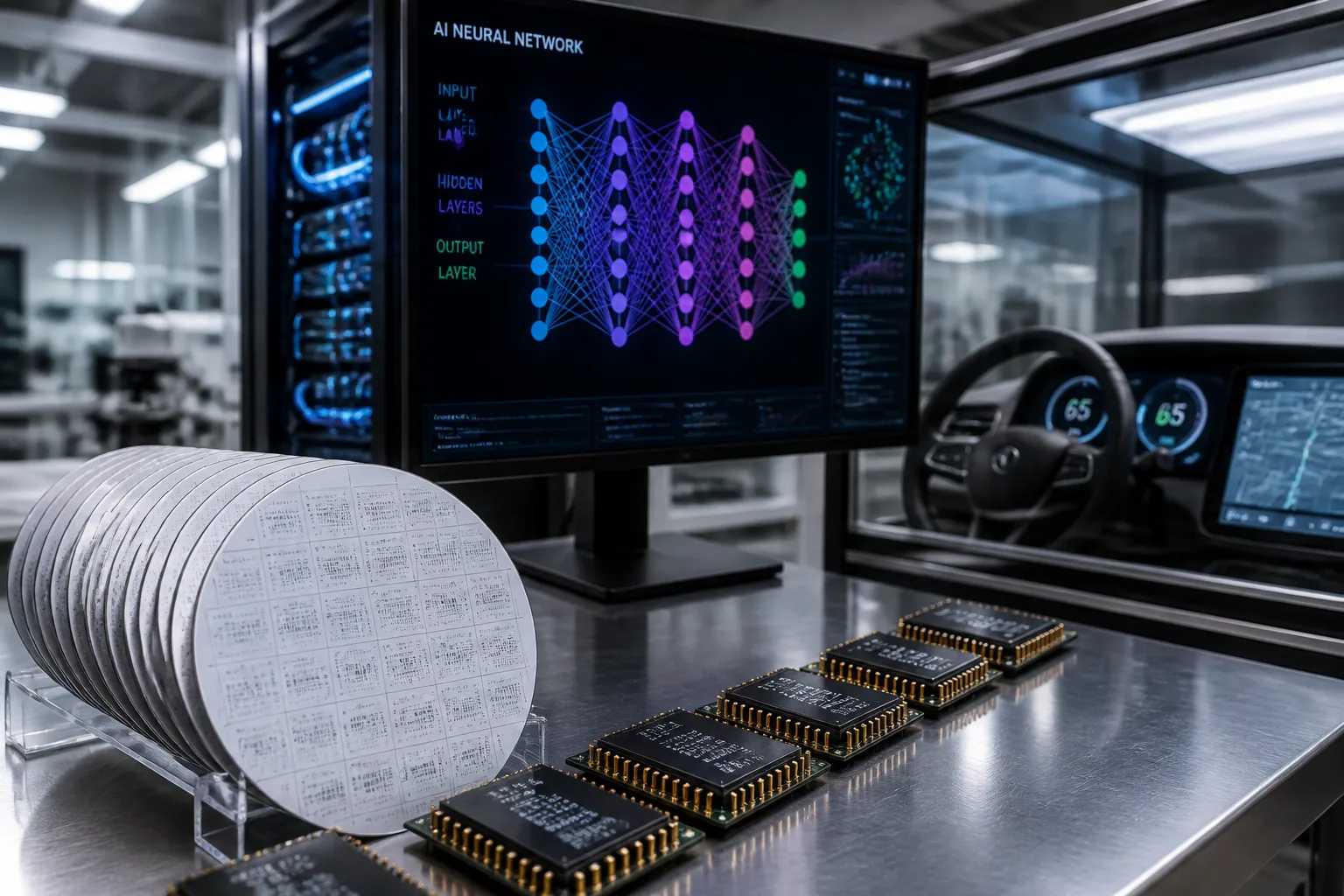
The new data center, described by JinkoSolar as “designed exclusively for AI workloads,” will be powered on site by electricity generated by the company’s solar farms. According to its website, the facility will deliver high power‑density output and environmental adaptability, with a levelized cost of energy (LCOE) that rivals grid power. The design is intended to support the parallel‑processing demands of AI training and inference, which require large numbers of GPUs or other accelerators.
Choosing a desert location offers several advantages. The region receives intense, year‑round solar irradiance, and its arid climate reduces the need for water‑based cooling systems—a major cost driver in conventional data centers. China’s solar industry has long leveraged desert sites for large‑scale farms; for example, the Tengger Desert Solar Park in Gansu has a 1.5 GW capacity, and the Huanghe Hydropower Hainan Solar Park reaches 2.2 GW.
The partnership reflects a broader trend of integrating renewable energy with high‑energy‑intensity facilities. AI data centers are expected to consume a growing share of global electricity; estimates for 2026 place the sector’s spend at $650 billion. By delivering power directly from its own PV plants, JinkoSolar can lock in a stable, low‑cost energy source and reduce exposure to grid price volatility.
JinkoSolar’s executive team said the data‑center operation will help smooth the company’s earnings profile, which has historically been sensitive to fluctuations in panel demand and raw‑material costs. The board has approved the project as part of a long‑term plan to expand into energy‑intensive services.
The project remains in the planning phase, with construction expected to begin in late 2026. The company has not yet disclosed a timeline for the data center’s commissioning or the specific AI workloads it will support. Regulatory approvals are pending, and the project will need to comply with China’s environmental and energy‑efficiency standards, including power‑usage effectiveness (PUE) targets for green data centers.
As China continues to expand its solar capacity and AI infrastructure, JinkoSolar’s dual role as a solar‑panel producer and an energy supplier positions it uniquely to capitalize on the growing demand for clean, reliable power for data‑center operations.
The development will be monitored closely by investors and industry analysts, as it could signal a shift in how solar manufacturers diversify beyond panel sales. Upcoming earnings reports and regulatory filings will provide further insight into the project’s financial and operational impact.
JinkoSolar is one of China’s largest photovoltaic (PV) module makers. The firm is listed on the New York Stock Exchange (NYSE: JKS) and Shanghai’s Science and Technology Innovation Board (SSE: 688223) and runs a global supply chain that spans polysilicon, silicon wafers, batteries and finished modules. China’s PV capacity exceeded 1,100 GW in June 2025, with most farms concentrated in the western provinces where abundant sunshine and low population density make large‑scale projects economical.
The new data center, described by JinkoSolar as “designed exclusively for AI workloads,” will be powered on site by electricity generated by the company’s solar farms. According to its website, the facility will deliver high power‑density output and environmental adaptability, with a levelized cost of energy (LCOE) that rivals grid power. The design is intended to support the parallel‑processing demands of AI training and inference, which require large numbers of GPUs or other accelerators.
Choosing a desert location offers several advantages. The region receives intense, year‑round solar irradiance, and its arid climate reduces the need for water‑based cooling systems—a major cost driver in conventional data centers. China’s solar industry has long leveraged desert sites for large‑scale farms; for example, the Tengger Desert Solar Park in Gansu has a 1.5 GW capacity, and the Huanghe Hydropower Hainan Solar Park reaches 2.2 GW.
The partnership reflects a broader trend of integrating renewable energy with high‑energy‑intensity facilities. AI data centers are expected to consume a growing share of global electricity; estimates for 2026 place the sector’s spend at $650 billion. By delivering power directly from its own PV plants, JinkoSolar can lock in a stable, low‑cost energy source and reduce exposure to grid price volatility.
JinkoSolar’s executive team said the data‑center operation will help smooth the company’s earnings profile, which has historically been sensitive to fluctuations in panel demand and raw‑material costs. The board has approved the project as part of a long‑term plan to expand into energy‑intensive services.
The project remains in the planning phase, with construction expected to begin in late 2026. The company has not yet disclosed a timeline for the data center’s commissioning or the specific AI workloads it will support. Regulatory approvals are pending, and the project will need to comply with China’s environmental and energy‑efficiency standards, including power‑usage effectiveness (PUE) targets for green data centers.
As China continues to expand its solar capacity and AI infrastructure, JinkoSolar’s dual role as a solar‑panel producer and an energy supplier positions it uniquely to capitalize on the growing demand for clean, reliable power for data‑center operations.
The development will be monitored closely by investors and industry analysts, as it could signal a shift in how solar manufacturers diversify beyond panel sales. Upcoming earnings reports and regulatory filings will provide further insight into the project’s financial and operational impact.