Blab Business
South Korea Secures $165 Million in European FDI and Signs Digital Trade Deal with the EU
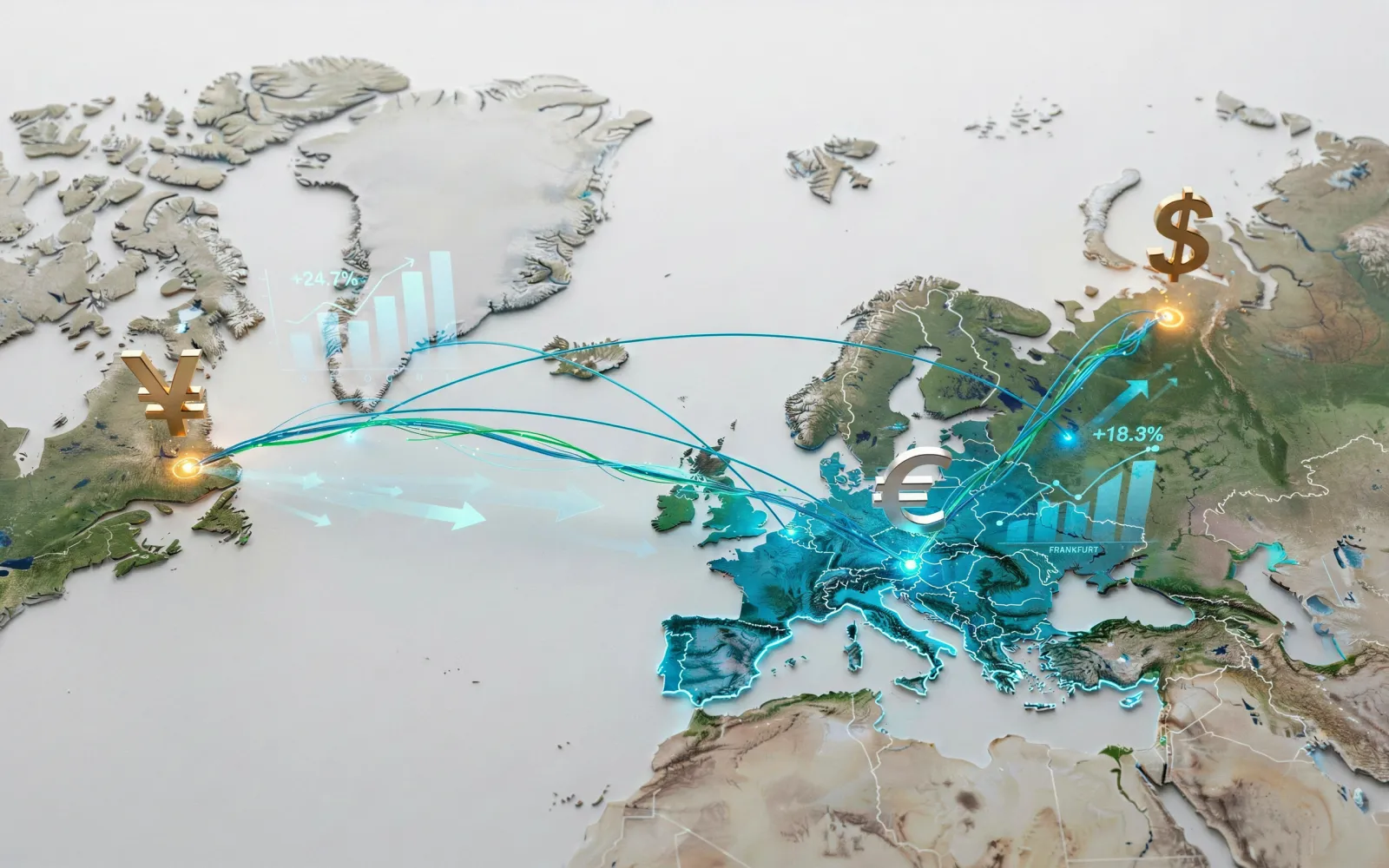
On 11 June 2026, Seoul’s trade ministry announced that four European technology firms will invest a combined $165 million—roughly 250 billion won—in South Korea, and that the country has signed a Digital Trade Agreement (DTA) with the European Union. The unveiling took place during a ceremony hosted by the Ministry of Trade, Industry and Resources and the Korea Trade‑Investment Promotion Agency (KOTRA) in Seoul.
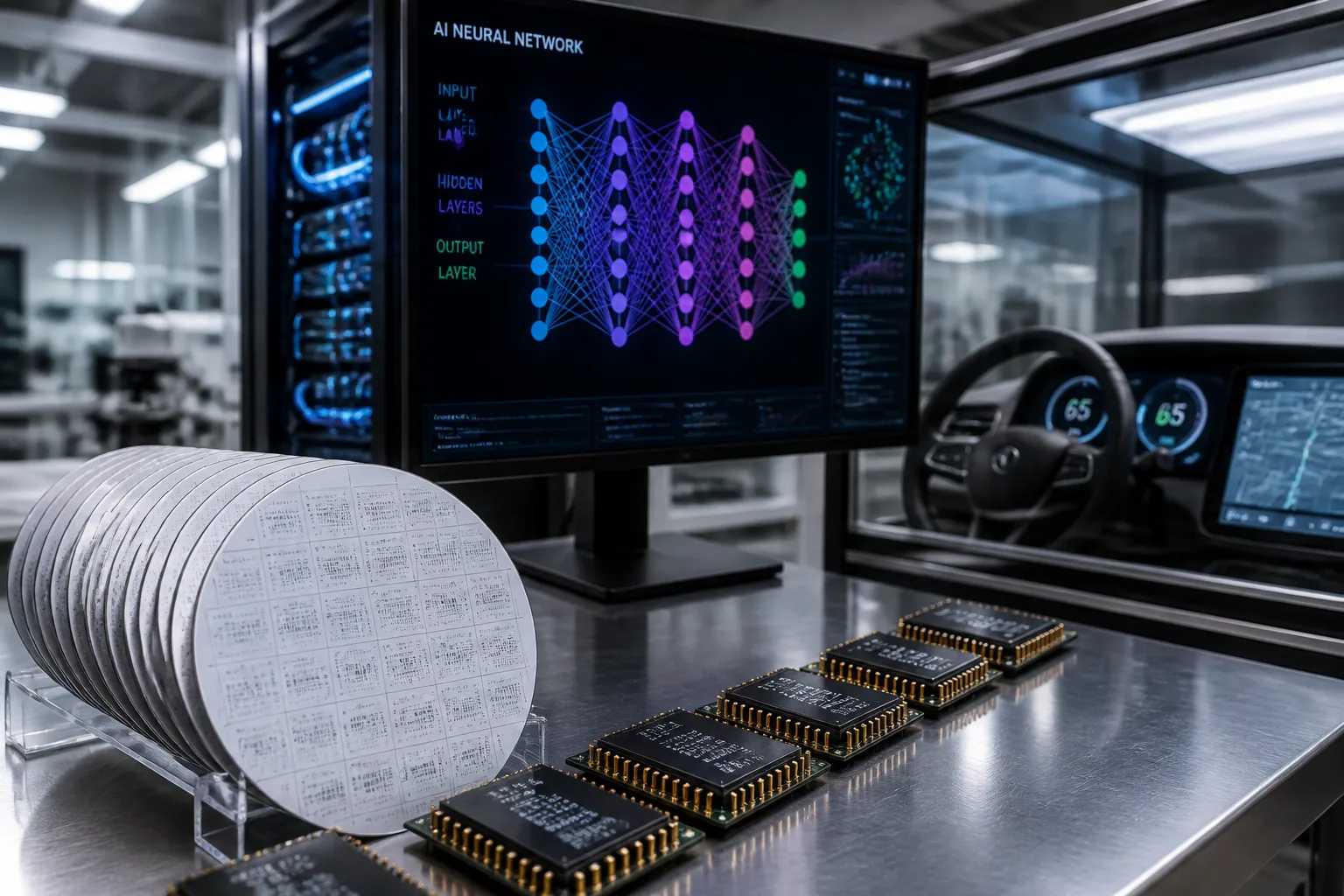
The investors are Germany’s Orafol, France’s Quandela, the Netherlands’ Prodrive Technologies and Sweden’s Mycronic. Their announced projects span semiconductors, quantum computing and advanced manufacturing. Orafol will target semiconductor and photonics production, while Quandela plans a quantum‑computing research centre in the capital. Prodrive Technologies will channel capital into semiconductor and related high‑tech sectors, and Mycronic will focus on advanced manufacturing equipment.
The event coincided with President Lee Jae Myung’s visit to Belgium, where he met EU leaders. Korean officials said the timing was intentional, aiming to reinforce ties with the EU amid growing geopolitical tensions, trade protectionism and rapid technological change.
In addition to the investment pledges, Seoul and the EU signed a formal DTA designed to promote digital trade and streamline digital regulations for companies operating in both markets. It is the second DTA that South Korea has entered into—Singapore was the first—and it builds on the EU‑Korea Free Trade Agreement that entered force in 2011. The DTA includes provisions to create a trustworthy, open and fair digital trade environment, covering spam prevention, online fraud response, redress mechanisms and standards for Korean firms serving EU consumers.
Korean officials also announced plans to establish a high‑level economic dialogue with the EU to facilitate consultations on trade, strategic industries and supply chains. The climate ministry added that a vice‑ministerial dialogue on energy issues will be set up to discuss cooperation.
The investment and trade developments followed a separate roundtable held in Seoul with European business leaders. The roundtable focused on expanding cooperation amid geopolitical risks, trade protectionism and rapid technological advancements.
The four European firms detailed their investment plans during the ceremony. Orafol, a German plastics and coatings company, will invest in semiconductor and photonics manufacturing. Quandela, a French quantum‑computing firm, will establish a quantum‑computing research and development centre in Seoul. Prodrive Technologies, a Dutch provider of mission‑critical technology, will invest in semiconductor and related high‑tech sectors. Mycronic, a Swedish semiconductor equipment manufacturer, will invest in advanced manufacturing.
These agreements are part of a broader strategy to deepen South Korea’s economic ties with the EU. They are expected to enhance the country’s position as a hub for advanced technology production and to give EU companies greater access to the Korean market.
The Korean government has not yet released detailed financial terms for the individual investments beyond the total amount, and no specific dates for the start of construction or production have been announced.
The DTA is expected to streamline cross‑border digital commerce and reduce regulatory friction for Korean and EU firms. It also signals a continued commitment by both parties to cooperate on digital standards and to address emerging challenges such as data protection and cybersecurity.
The Ministry of Trade, Industry and Resources and KOTRA will monitor the implementation of the investment and trade agreements. The next major milestone will be the commencement of the announced projects, which is expected to take place in the next 12 to 18 months.
These agreements come at a time when South Korea is actively seeking to diversify its trade partners and secure supply chains for critical technologies. The EU’s role as a major trade partner and investor positions it as a key ally in South Korea’s technology strategy.
The digital trade agreement and the investment commitments are the latest steps in a series of initiatives aimed at strengthening South Korea’s economic resilience and technological competitiveness in a rapidly changing global environment.
The investors are Germany’s Orafol, France’s Quandela, the Netherlands’ Prodrive Technologies and Sweden’s Mycronic. Their announced projects span semiconductors, quantum computing and advanced manufacturing. Orafol will target semiconductor and photonics production, while Quandela plans a quantum‑computing research centre in the capital. Prodrive Technologies will channel capital into semiconductor and related high‑tech sectors, and Mycronic will focus on advanced manufacturing equipment.
The event coincided with President Lee Jae Myung’s visit to Belgium, where he met EU leaders. Korean officials said the timing was intentional, aiming to reinforce ties with the EU amid growing geopolitical tensions, trade protectionism and rapid technological change.
In addition to the investment pledges, Seoul and the EU signed a formal DTA designed to promote digital trade and streamline digital regulations for companies operating in both markets. It is the second DTA that South Korea has entered into—Singapore was the first—and it builds on the EU‑Korea Free Trade Agreement that entered force in 2011. The DTA includes provisions to create a trustworthy, open and fair digital trade environment, covering spam prevention, online fraud response, redress mechanisms and standards for Korean firms serving EU consumers.
Korean officials also announced plans to establish a high‑level economic dialogue with the EU to facilitate consultations on trade, strategic industries and supply chains. The climate ministry added that a vice‑ministerial dialogue on energy issues will be set up to discuss cooperation.
The investment and trade developments followed a separate roundtable held in Seoul with European business leaders. The roundtable focused on expanding cooperation amid geopolitical risks, trade protectionism and rapid technological advancements.
The four European firms detailed their investment plans during the ceremony. Orafol, a German plastics and coatings company, will invest in semiconductor and photonics manufacturing. Quandela, a French quantum‑computing firm, will establish a quantum‑computing research and development centre in Seoul. Prodrive Technologies, a Dutch provider of mission‑critical technology, will invest in semiconductor and related high‑tech sectors. Mycronic, a Swedish semiconductor equipment manufacturer, will invest in advanced manufacturing.
These agreements are part of a broader strategy to deepen South Korea’s economic ties with the EU. They are expected to enhance the country’s position as a hub for advanced technology production and to give EU companies greater access to the Korean market.
The Korean government has not yet released detailed financial terms for the individual investments beyond the total amount, and no specific dates for the start of construction or production have been announced.
The DTA is expected to streamline cross‑border digital commerce and reduce regulatory friction for Korean and EU firms. It also signals a continued commitment by both parties to cooperate on digital standards and to address emerging challenges such as data protection and cybersecurity.
The Ministry of Trade, Industry and Resources and KOTRA will monitor the implementation of the investment and trade agreements. The next major milestone will be the commencement of the announced projects, which is expected to take place in the next 12 to 18 months.
These agreements come at a time when South Korea is actively seeking to diversify its trade partners and secure supply chains for critical technologies. The EU’s role as a major trade partner and investor positions it as a key ally in South Korea’s technology strategy.
The digital trade agreement and the investment commitments are the latest steps in a series of initiatives aimed at strengthening South Korea’s economic resilience and technological competitiveness in a rapidly changing global environment.