Blab Business
Nicotine Pouches Surge to $510 Million in 2025 as Celebrities Invest, UFC Partners, and Health Concerns Rise
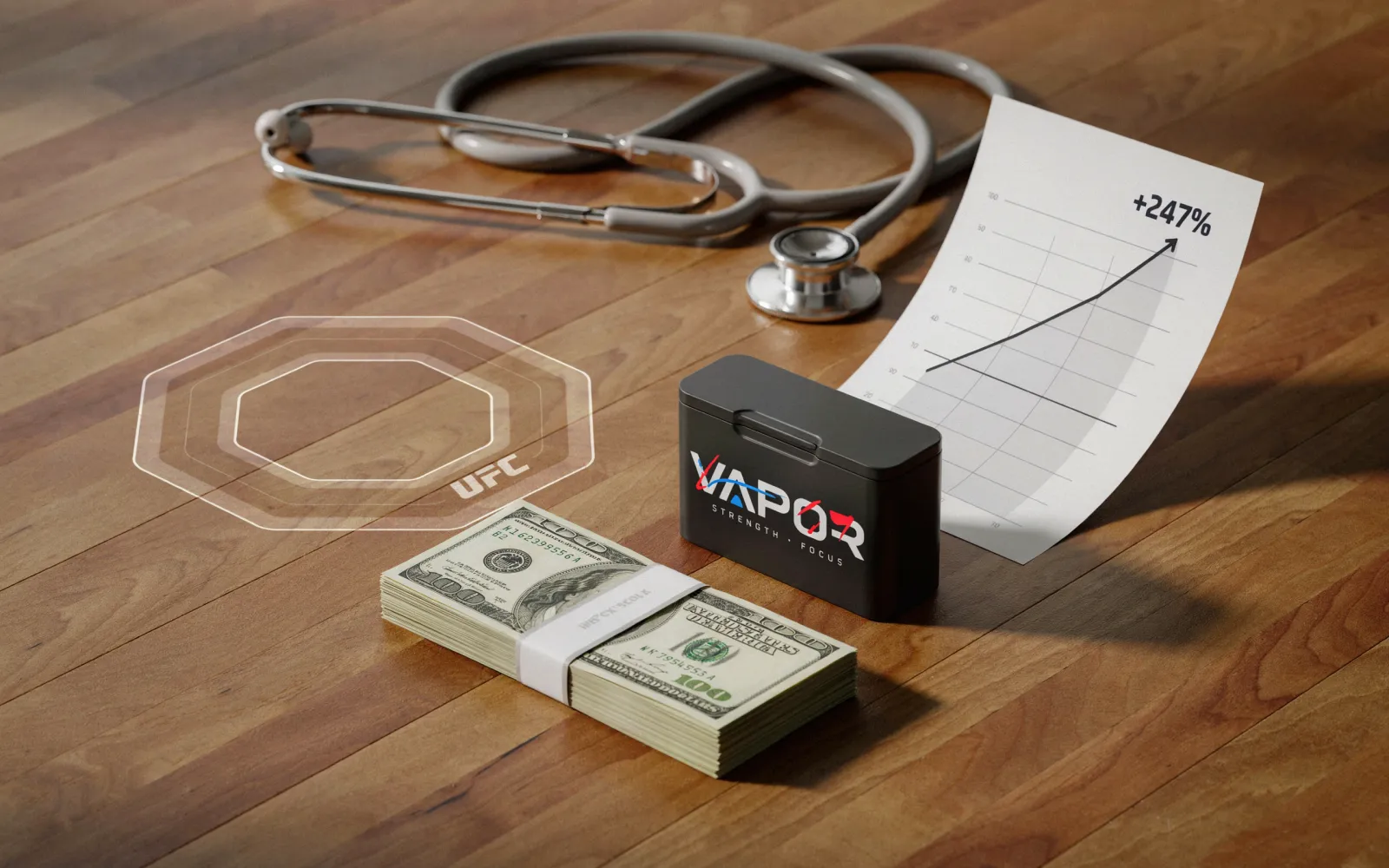
In August 2025, a small, tobacco‑free sachet eclipsed the U.S. tobacco industry’s biggest players, pulling in a record $510.5 million in monthly sales—an astonishing 250.8 percent jump from the $145.5 million reported in January 2023.
The rise of nicotine pouches—compact pouches that release nicotine through the gums—mirrors a broader decline in conventional tobacco use. According to Tobacco Product Use data, the category’s dollar sales have surged as consumers seek discreet, odorless alternatives. The surge has been amplified by flavored variants, a trend that the CDC Foundation links to a near‑quadrupling of young‑adult use between 2022 and 2025.
Celebrity investors have taken notice. Music icon and DJ Diplo (Thomas Wesley Pentz Jr.) revealed a stake in Sesh, a tobacco‑free pouch brand, telling Fox News Digital that the product “helps me control my ADHD… I try to do it in the morning when I’m starting to work. And it was pretty effective.” The roster of high‑profile backers now includes the Jonas Brothers’ Nick and Joe, Post Malone, The Chainsmokers, and 8VC, the venture‑capital firm founded by Palantir co‑founder Joe Lonsdale.
In April 2026, FRE Nicotine Pouches became the UFC’s first official pouch partner. The deal, announced on April 9 2026, links the brand to TKO Group Holdings—the parent company of the UFC—and extends to other TKO properties such as Zuffa Boxing, Professional Bull Riding, UFC BJJ, World’s Strongest Man, and Formula Drift. Octagon branding will appear at all U.S. numbered and Fight Night events.
Regulatory context remains complex. The FDA has cleared nicotine pouch products for sale in the United States, but flavored vapes have been subject to stricter scrutiny. In 2026, the agency approved flavored vapes for the first time after former FDA Commissioner Dr. Marty Makary resigned in May following reports that President Donald Trump had pressured the agency to speed the authorization. The FDA’s evolving stance on nicotine products continues to shape the market.
Health experts caution that nicotine pouches may carry risks, particularly for younger users. Maggie Britton, clinical director of health initiatives at National Jewish Health, warned that nicotine can alter brain circuits involved in attention, learning, memory, mood regulation, and impulse control. She added that the long‑term effects on oral health, cardiovascular function, and cancer risk remain uncertain, urging that “caution should guide both public health decisions and individual choices” when the long‑term health effects are not yet fully understood.
Retail access has expanded rapidly. Delivery services such as GoPuff now ship Sesh straight to consumers’ homes, and vape and nicotine shops have opened in major U.S. cities. The convenience of nicotine pouches—discreet, odorless, and easy to use—has accelerated their uptake.
The combination of explosive sales growth, celebrity investment, high‑profile sponsorships, and regulatory developments signals a shift in nicotine consumption patterns. While the FDA has cleared nicotine pouch products, the sector faces ongoing scrutiny over flavored offerings and youth usage. Future regulatory actions, public health research, and corporate strategies will likely determine the market’s trajectory.
Stakeholders will keep a close eye on upcoming FDA guidance, potential new regulations on flavored products, and emerging data on health outcomes. Investors and consumers alike will watch how the industry balances growth with public‑health concerns in the coming years.
The rise of nicotine pouches—compact pouches that release nicotine through the gums—mirrors a broader decline in conventional tobacco use. According to Tobacco Product Use data, the category’s dollar sales have surged as consumers seek discreet, odorless alternatives. The surge has been amplified by flavored variants, a trend that the CDC Foundation links to a near‑quadrupling of young‑adult use between 2022 and 2025.
Celebrity investors have taken notice. Music icon and DJ Diplo (Thomas Wesley Pentz Jr.) revealed a stake in Sesh, a tobacco‑free pouch brand, telling Fox News Digital that the product “helps me control my ADHD… I try to do it in the morning when I’m starting to work. And it was pretty effective.” The roster of high‑profile backers now includes the Jonas Brothers’ Nick and Joe, Post Malone, The Chainsmokers, and 8VC, the venture‑capital firm founded by Palantir co‑founder Joe Lonsdale.
In April 2026, FRE Nicotine Pouches became the UFC’s first official pouch partner. The deal, announced on April 9 2026, links the brand to TKO Group Holdings—the parent company of the UFC—and extends to other TKO properties such as Zuffa Boxing, Professional Bull Riding, UFC BJJ, World’s Strongest Man, and Formula Drift. Octagon branding will appear at all U.S. numbered and Fight Night events.
Regulatory context remains complex. The FDA has cleared nicotine pouch products for sale in the United States, but flavored vapes have been subject to stricter scrutiny. In 2026, the agency approved flavored vapes for the first time after former FDA Commissioner Dr. Marty Makary resigned in May following reports that President Donald Trump had pressured the agency to speed the authorization. The FDA’s evolving stance on nicotine products continues to shape the market.
Health experts caution that nicotine pouches may carry risks, particularly for younger users. Maggie Britton, clinical director of health initiatives at National Jewish Health, warned that nicotine can alter brain circuits involved in attention, learning, memory, mood regulation, and impulse control. She added that the long‑term effects on oral health, cardiovascular function, and cancer risk remain uncertain, urging that “caution should guide both public health decisions and individual choices” when the long‑term health effects are not yet fully understood.
Retail access has expanded rapidly. Delivery services such as GoPuff now ship Sesh straight to consumers’ homes, and vape and nicotine shops have opened in major U.S. cities. The convenience of nicotine pouches—discreet, odorless, and easy to use—has accelerated their uptake.
The combination of explosive sales growth, celebrity investment, high‑profile sponsorships, and regulatory developments signals a shift in nicotine consumption patterns. While the FDA has cleared nicotine pouch products, the sector faces ongoing scrutiny over flavored offerings and youth usage. Future regulatory actions, public health research, and corporate strategies will likely determine the market’s trajectory.
Stakeholders will keep a close eye on upcoming FDA guidance, potential new regulations on flavored products, and emerging data on health outcomes. Investors and consumers alike will watch how the industry balances growth with public‑health concerns in the coming years.