Blab Business
SpaceX IPO Pushes Elon Musk Past $1 Trillion, Making Him First U.S. Trillionaire
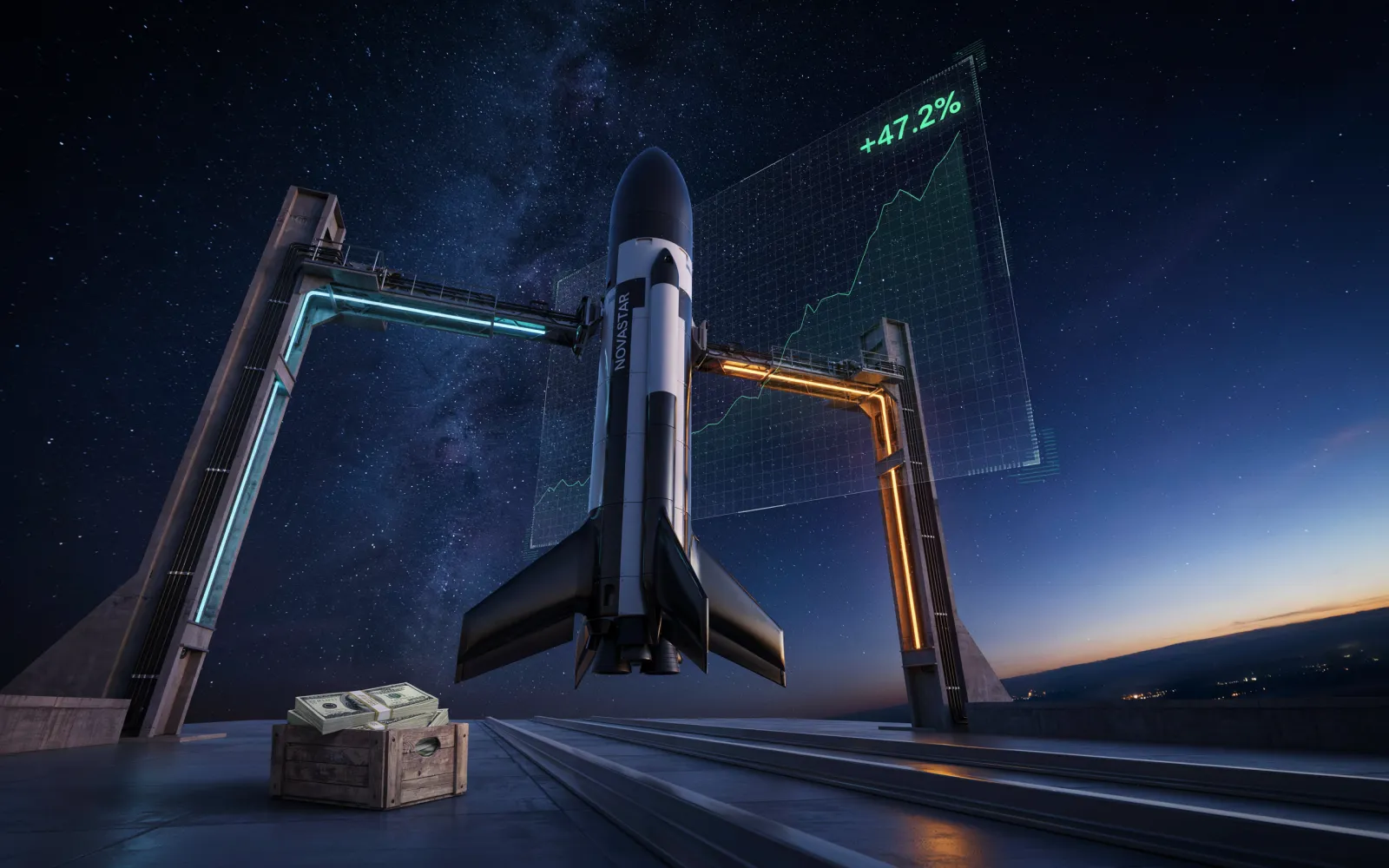
On Friday, June 12 2026, Space Exploration Technologies Corp. (SpaceX) stepped onto the Nasdaq stage under the ticker SPCX, shattering the record for the largest initial public offering ever. The company set a price of $135 per share and sold 555.6 million shares, pulling in $75 billion and valuing the firm at $1.77 trillion by the close of its first trading day.
SpaceX’s shares opened at $150, an 11 percent jump over the IPO price, and climbed to $170 by the end of the session. That surge pushed Elon Musk’s 38 percent stake—worth more than $867 billion at the closing price—above the trillion‑dollar threshold. When combined with his Tesla holdings, which were valued at roughly $280 billion at the SpaceX IPO price, Musk’s net worth exceeded $1.1 trillion, making him the world’s first paper trillionaire.
Musk’s wealth is tied to market performance, not liquid cash. He does not hold a trillion dollars in cash or securities; his fortune is the market value of his equity in SpaceX and Tesla. The milestone is historic because it marks the first time a private individual’s net worth has surpassed one trillion U.S. dollars.
The IPO followed months of growing investor interest. SpaceX filed its S‑1 with the Securities and Exchange Commission in April, and by June the firm attracted institutional demand that multiplied the number of shares offered. The company priced the offering at the top end of the $135 range it had disclosed in the filing.
The valuation reflects SpaceX’s diversified revenue streams. Starlink, the company’s satellite‑constellation service, supplies the bulk of its income, while contracts with NASA and the U.S. Department of Defense—including a $4 billion Space Force deal—add significant revenue. Reusable rocket technology has slashed launch costs by roughly 90 percent, drawing both commercial and government customers.
Musk’s stake in Tesla also plays a major role in his net worth. Tesla’s shares are worth about $280 billion at the SpaceX IPO price. Since its 2010 debut, Tesla’s market capitalization has fluctuated but has consistently hovered in the hundreds of billions.
The announcement of Musk’s trillion‑dollar net worth has sparked political debate. Senator Bernie Sanders, a long‑time critic of wealth concentration, called the figure “grossly immoral” and has proposed a 5 percent wealth tax on billionaires. Representative Alexandria Ocasio‑Cortez has warned that no billionaire can become one honorably, arguing that market power can breed abuse.
Musk himself has acknowledged the milestone. In March, he jokingly referred to himself as a trillionaire in a response to a question from Representative Ocasio‑Cortez on X, the social media platform he acquired in 2022.
The SpaceX IPO also marks a milestone in the history of wealth accumulation. The first U.S. millionaire appeared in the early 19th century, the first billionaire a century later, and the first trillionaire just over a century after that. The pattern reflects the growth of the global economy and the rise of high‑technology industries.
While Musk’s paper trillionaire status is headline‑grabbing, the broader economic implications are more modest. The IPO has raised capital for SpaceX’s long‑term projects, including the Starship launch vehicle and the Starshield military satellite network. It also adds a new large company to the Nasdaq‑100 index, potentially influencing index funds and institutional portfolios.
In the coming months, SpaceX will report quarterly earnings, and investors will scrutinize how revenue from Starlink, launch services, and defense contracts evolves. Tesla will also release its next earnings report, offering further insight into the value of Musk’s remaining equity. Meanwhile, political debates over wealth concentration and taxation are likely to continue as lawmakers consider proposals that could affect high‑net‑worth individuals.
Today, Musk’s net worth sits just above the trillion‑dollar threshold, contingent on the continued performance of SpaceX and Tesla. The next earnings releases, potential regulatory changes, and market movements will determine whether the figure remains above or falls below the milestone.
SpaceX’s shares opened at $150, an 11 percent jump over the IPO price, and climbed to $170 by the end of the session. That surge pushed Elon Musk’s 38 percent stake—worth more than $867 billion at the closing price—above the trillion‑dollar threshold. When combined with his Tesla holdings, which were valued at roughly $280 billion at the SpaceX IPO price, Musk’s net worth exceeded $1.1 trillion, making him the world’s first paper trillionaire.
Musk’s wealth is tied to market performance, not liquid cash. He does not hold a trillion dollars in cash or securities; his fortune is the market value of his equity in SpaceX and Tesla. The milestone is historic because it marks the first time a private individual’s net worth has surpassed one trillion U.S. dollars.
The IPO followed months of growing investor interest. SpaceX filed its S‑1 with the Securities and Exchange Commission in April, and by June the firm attracted institutional demand that multiplied the number of shares offered. The company priced the offering at the top end of the $135 range it had disclosed in the filing.
The valuation reflects SpaceX’s diversified revenue streams. Starlink, the company’s satellite‑constellation service, supplies the bulk of its income, while contracts with NASA and the U.S. Department of Defense—including a $4 billion Space Force deal—add significant revenue. Reusable rocket technology has slashed launch costs by roughly 90 percent, drawing both commercial and government customers.
Musk’s stake in Tesla also plays a major role in his net worth. Tesla’s shares are worth about $280 billion at the SpaceX IPO price. Since its 2010 debut, Tesla’s market capitalization has fluctuated but has consistently hovered in the hundreds of billions.
The announcement of Musk’s trillion‑dollar net worth has sparked political debate. Senator Bernie Sanders, a long‑time critic of wealth concentration, called the figure “grossly immoral” and has proposed a 5 percent wealth tax on billionaires. Representative Alexandria Ocasio‑Cortez has warned that no billionaire can become one honorably, arguing that market power can breed abuse.
Musk himself has acknowledged the milestone. In March, he jokingly referred to himself as a trillionaire in a response to a question from Representative Ocasio‑Cortez on X, the social media platform he acquired in 2022.
The SpaceX IPO also marks a milestone in the history of wealth accumulation. The first U.S. millionaire appeared in the early 19th century, the first billionaire a century later, and the first trillionaire just over a century after that. The pattern reflects the growth of the global economy and the rise of high‑technology industries.
While Musk’s paper trillionaire status is headline‑grabbing, the broader economic implications are more modest. The IPO has raised capital for SpaceX’s long‑term projects, including the Starship launch vehicle and the Starshield military satellite network. It also adds a new large company to the Nasdaq‑100 index, potentially influencing index funds and institutional portfolios.
In the coming months, SpaceX will report quarterly earnings, and investors will scrutinize how revenue from Starlink, launch services, and defense contracts evolves. Tesla will also release its next earnings report, offering further insight into the value of Musk’s remaining equity. Meanwhile, political debates over wealth concentration and taxation are likely to continue as lawmakers consider proposals that could affect high‑net‑worth individuals.
Today, Musk’s net worth sits just above the trillion‑dollar threshold, contingent on the continued performance of SpaceX and Tesla. The next earnings releases, potential regulatory changes, and market movements will determine whether the figure remains above or falls below the milestone.