Blab Business
Aehr Test Systems Holds Ground Amid Booming AI Chip Testing Demand, but Valuation Remains High
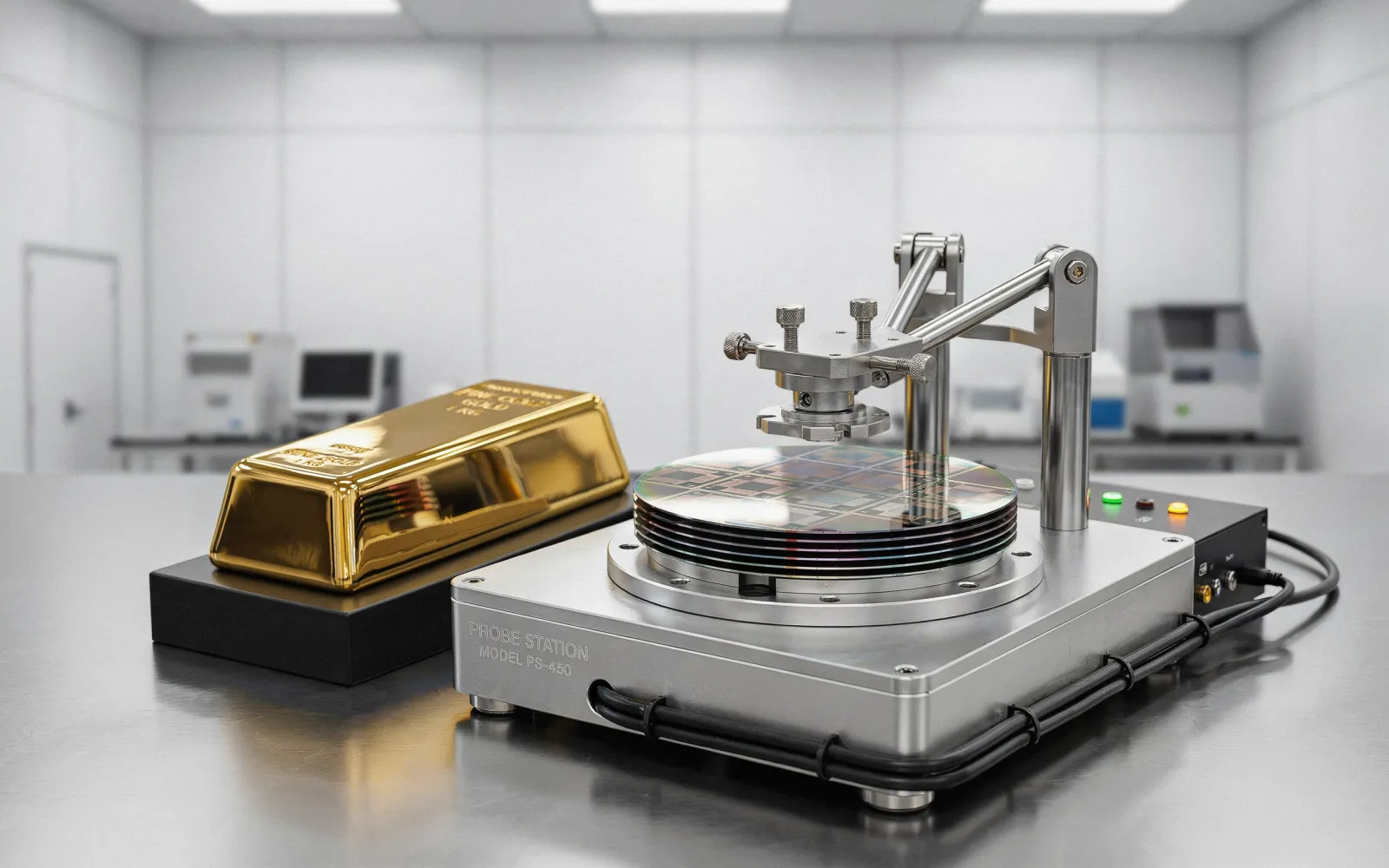
Aehr Test Systems Inc. (NASDAQ: AEHR), a provider of semiconductor test solutions headquartered in Fremont, California, continues to attract attention from investors because of its strong technology and growing order book. The company’s systems are used to test, burn‑in and stabilize integrated circuits at wafer, die and package levels, and it has installed thousands of units worldwide.
Despite the upside in its order pipeline, AEHR’s share price has surged to a level that many analysts consider over‑valued. The stock last traded near $116, a price that implies a forward revenue multiple of about 35 times the company’s projected FY2027 revenue. The valuation is driven largely by the company’s pivot to AI chip testing, a segment that is expected to grow faster than the broader semiconductor test market.
The company’s business model has been described as a razor‑and‑blade system. AEHR sells test equipment at a relatively low margin and then generates recurring revenue from consumables, software and service contracts. The model has worked well for the company’s core wafer‑level and package‑level test solutions, and it is now being applied to the testing of system‑on‑chip (SoC) and AI ASICs.
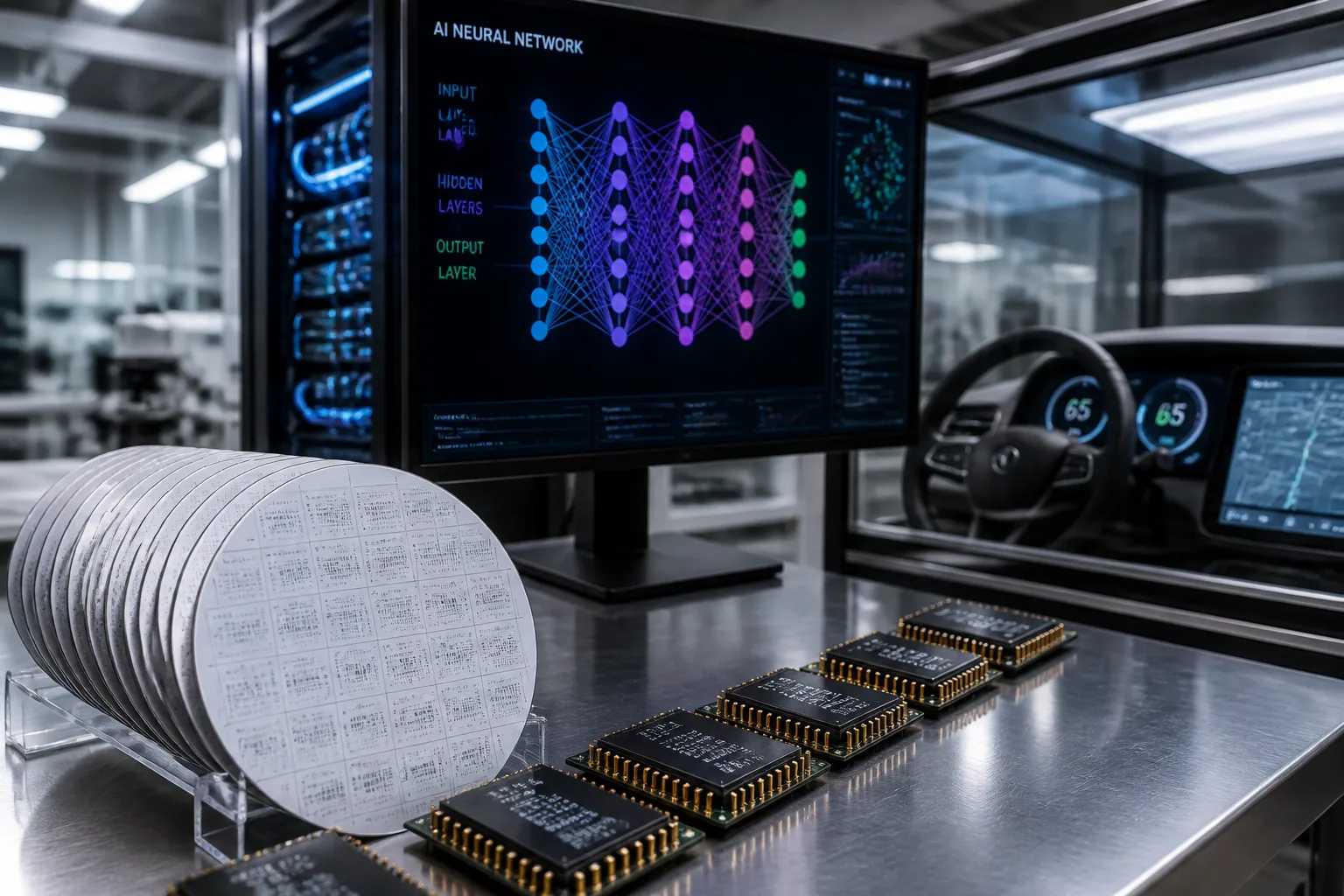
AI chip testing is a high‑growth niche. According to industry estimates, the market for AI‑specific test equipment is expanding at a compound annual growth rate of more than 20% through 2032. Major hyperscale data‑center operators are building custom AI accelerators, and the demand for system‑level testing (SLT) is rising. Competitors such as Teradyne have reported that AI chip testing accounts for over 60% of their revenue, and the company expects that share to reach 70% in the first quarter of 2026.
AEHR’s order book reflects this trend. The company has reported a steady increase in orders for its AI‑focused test systems, and its revenue growth has outpaced earnings in recent quarters. However, the company’s earnings remain negative, and cash burn has continued to rise. The company’s most recent quarterly report, released in October 2025, showed revenue below consensus expectations and highlighted ongoing cash burn.
Analysts point to several risks that temper enthusiasm for the stock. First, margin compression is a concern. The cost of components and the need for advanced test features are driving up the cost of AEHR’s systems, which could erode profitability. Second, customer concentration remains high. A small number of large customers account for a significant portion of the company’s revenue, and losing one of those customers could materially impact the business.
Given the high valuation, margin risks and customer concentration, many analysts have issued a Hold rating for AEHR. The recommendation is to take profits for current shareholders and to wait for a pullback to the mid‑$60s before entering the stock. The company’s next earnings announcement is expected in the second quarter of 2026, and investors will be looking for guidance on revenue growth, margin improvement and the pace of AI‑chip testing orders.
In summary, AEHR’s technology and order pipeline position it well in a growing AI‑chip testing market, but its valuation is stretched and it faces margin and concentration risks. The company’s upcoming earnings will be a key event for investors, as the company must demonstrate that it can translate order growth into improved profitability.
Despite the upside in its order pipeline, AEHR’s share price has surged to a level that many analysts consider over‑valued. The stock last traded near $116, a price that implies a forward revenue multiple of about 35 times the company’s projected FY2027 revenue. The valuation is driven largely by the company’s pivot to AI chip testing, a segment that is expected to grow faster than the broader semiconductor test market.
The company’s business model has been described as a razor‑and‑blade system. AEHR sells test equipment at a relatively low margin and then generates recurring revenue from consumables, software and service contracts. The model has worked well for the company’s core wafer‑level and package‑level test solutions, and it is now being applied to the testing of system‑on‑chip (SoC) and AI ASICs.
AI chip testing is a high‑growth niche. According to industry estimates, the market for AI‑specific test equipment is expanding at a compound annual growth rate of more than 20% through 2032. Major hyperscale data‑center operators are building custom AI accelerators, and the demand for system‑level testing (SLT) is rising. Competitors such as Teradyne have reported that AI chip testing accounts for over 60% of their revenue, and the company expects that share to reach 70% in the first quarter of 2026.
AEHR’s order book reflects this trend. The company has reported a steady increase in orders for its AI‑focused test systems, and its revenue growth has outpaced earnings in recent quarters. However, the company’s earnings remain negative, and cash burn has continued to rise. The company’s most recent quarterly report, released in October 2025, showed revenue below consensus expectations and highlighted ongoing cash burn.
Analysts point to several risks that temper enthusiasm for the stock. First, margin compression is a concern. The cost of components and the need for advanced test features are driving up the cost of AEHR’s systems, which could erode profitability. Second, customer concentration remains high. A small number of large customers account for a significant portion of the company’s revenue, and losing one of those customers could materially impact the business.
Given the high valuation, margin risks and customer concentration, many analysts have issued a Hold rating for AEHR. The recommendation is to take profits for current shareholders and to wait for a pullback to the mid‑$60s before entering the stock. The company’s next earnings announcement is expected in the second quarter of 2026, and investors will be looking for guidance on revenue growth, margin improvement and the pace of AI‑chip testing orders.
In summary, AEHR’s technology and order pipeline position it well in a growing AI‑chip testing market, but its valuation is stretched and it faces margin and concentration risks. The company’s upcoming earnings will be a key event for investors, as the company must demonstrate that it can translate order growth into improved profitability.