Blab Business
Philippines Approves 2026 Strategic Investment Priority Plan, Expanding Incentives for Energy, Tech and Infrastructure
On June 3 2026, President Ferdinand Marcos Jr. signed the 2026 Strategic Investment Priority Plan (SIPP) into law, a decision that could reshape the Philippines’ investment landscape. The move followed a recommendation from the Board of Investments (BOI) and marks the first such plan issued under the Marcos administration. The SIPP is a three‑year framework that catalogs sectors and activities eligible for tax incentives under the Corporate Recovery and Tax Incentives for Enterprises to Maximize Opportunities for Reinvigorating the Economy (CREATE) and CREATE MORE Acts, and signals the policy priorities the government is ready to back.
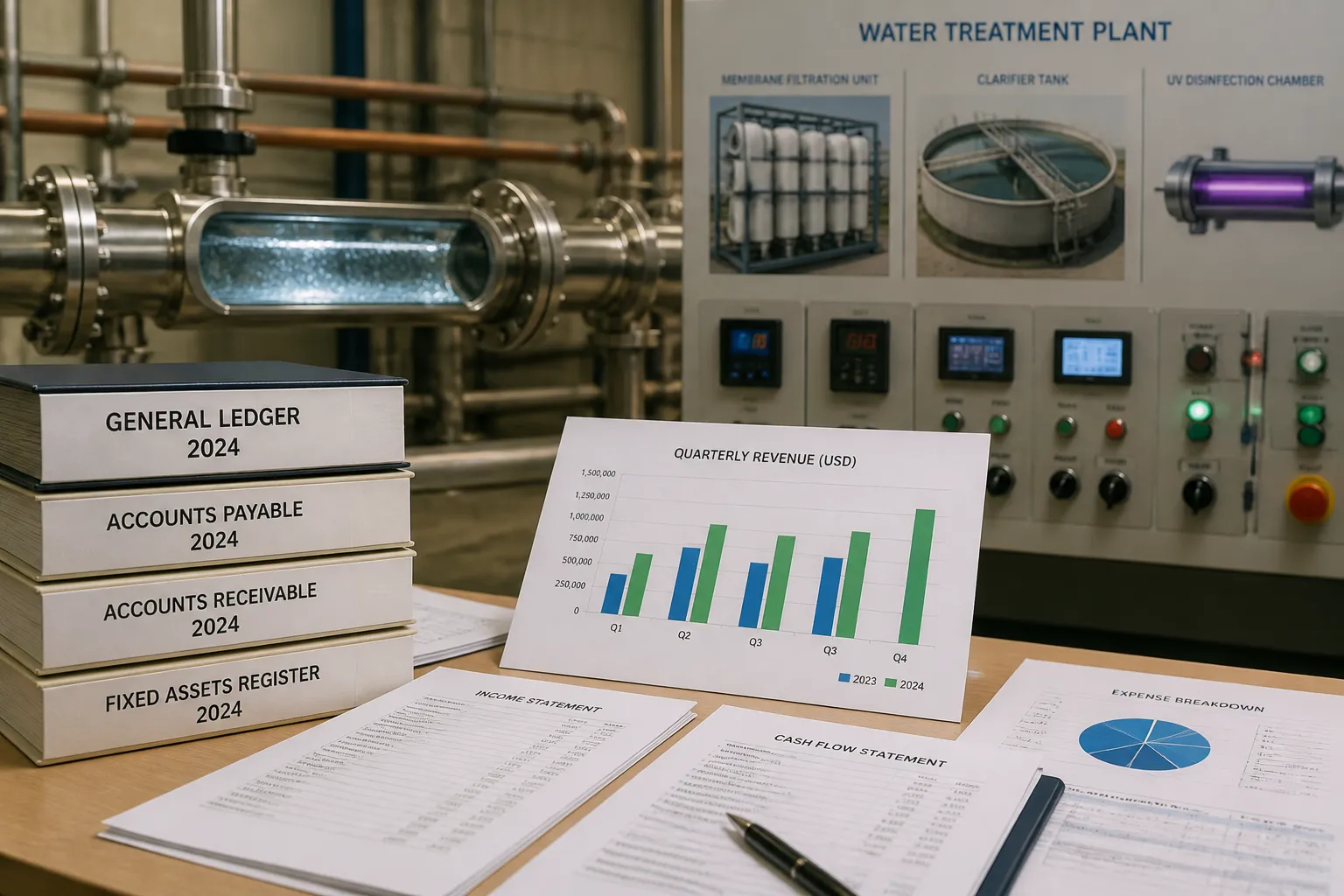
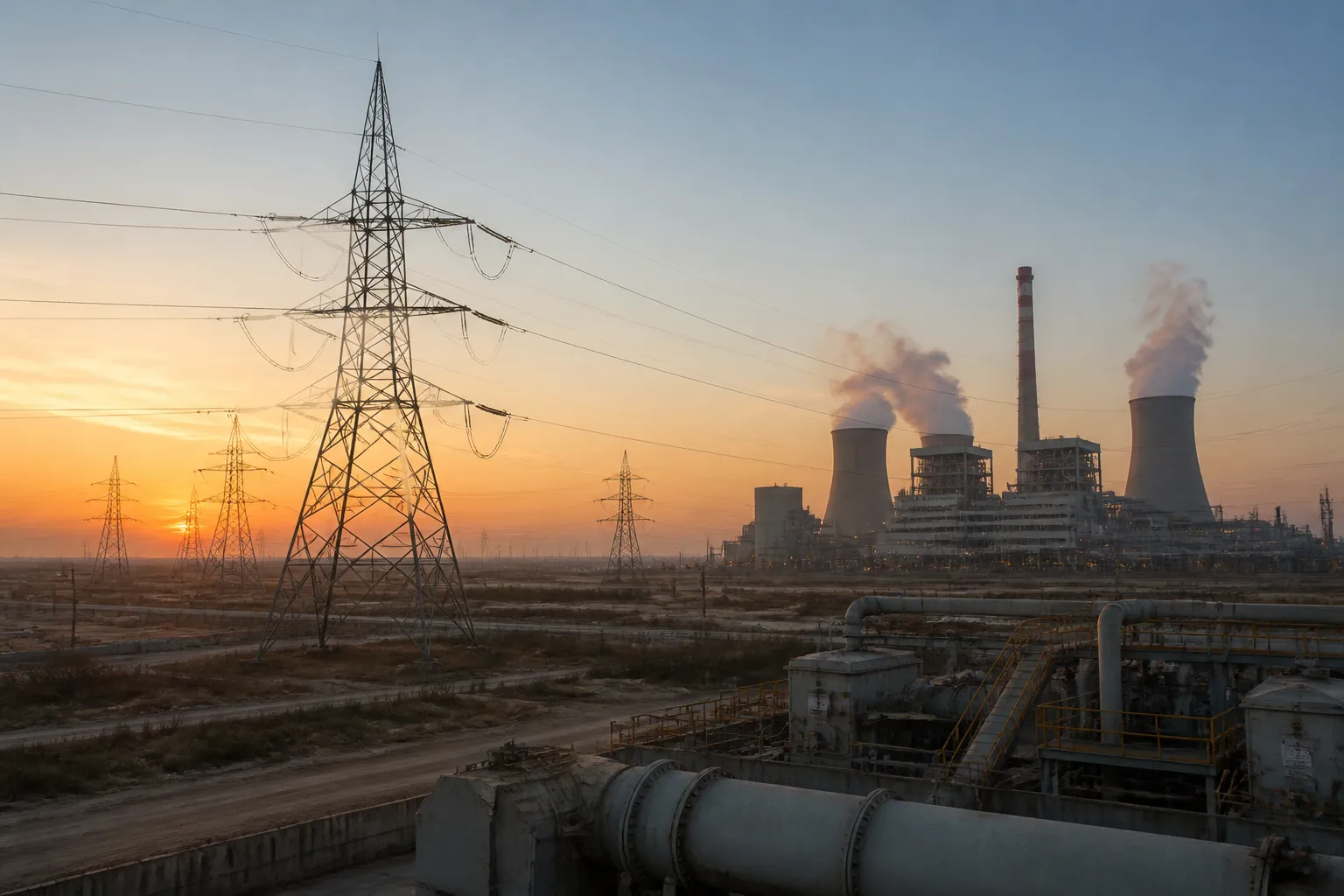
The plan’s core focus is on long‑standing structural bottlenecks. Energy costs and security have long been cited as productivity drag‑ons, so the SIPP offers incentives for renewable‑energy projects, liquefied natural‑gas (LNG) facilities, energy‑storage systems, hydrogen production and even nuclear power. Water infrastructure also receives a boost, with tax breaks for bulk water supply, wastewater treatment, industrial and hazardous‑waste treatment, and desalination plants. Together, these measures aim to ease the supply side constraints that have hampered growth for years.
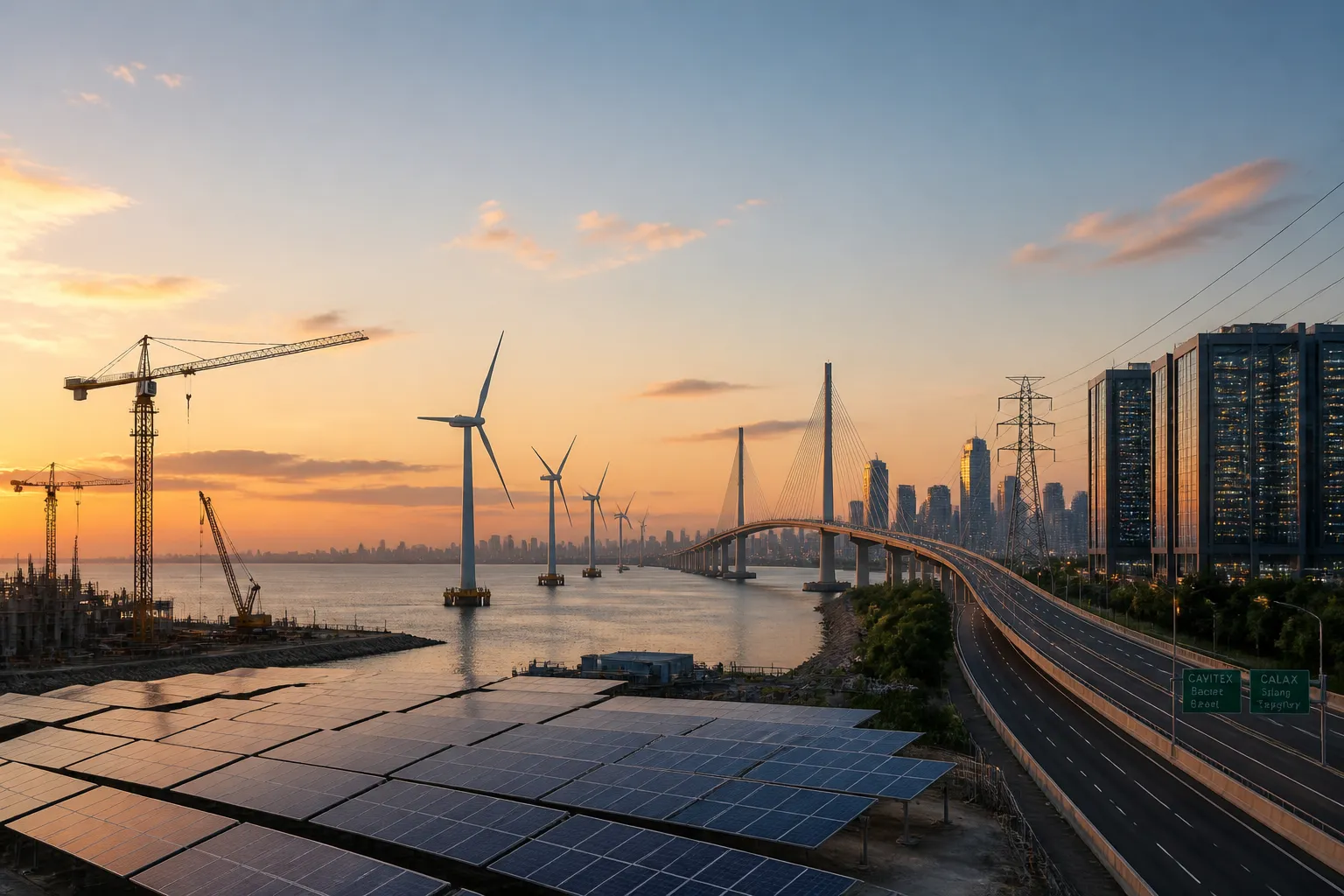
Logistics and connectivity are addressed through a suite of incentives for ports, airports, transport services, telecommunications infrastructure, fulfillment centers and industrial zones. By lowering the cost of moving people and goods across the archipelago, the plan tackles a perennial challenge for the country.
Food security, another legacy issue, is tackled head‑on. The SIPP offers tax relief for agricultural production, food processing, hybrid seeds, fertilizers, agricultural inputs and precision‑agriculture technologies. The inclusion of these activities reflects the administration’s view that a resilient food system is essential for sustained economic growth.
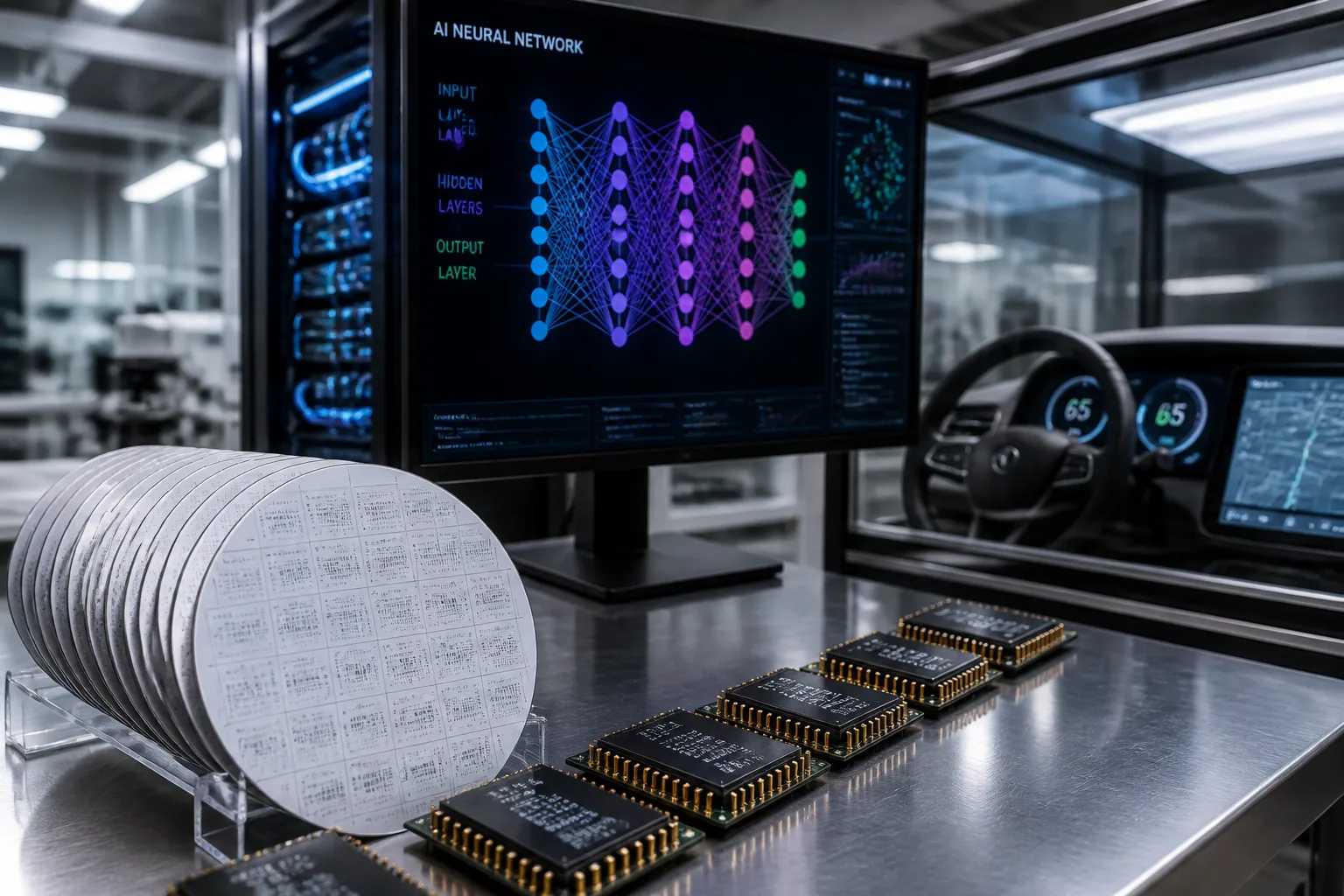
Looking ahead, the SIPP also charts a path toward the next phase of the economy. Artificial intelligence, cybersecurity, semiconductors, advanced manufacturing and data‑center development are among the technology‑driven activities that qualify for incentives. By encouraging knowledge‑intensive and innovation‑driven investment, the plan seeks to lift the Philippines up the value chain.
Implementation will be as critical as the incentives themselves. The BOI and the Fiscal Incentives Review Board (FIRB) will provide clear rules, predictable timelines and efficient administration. Investors will still need to assess the ease of doing business, regulatory predictability and the practical ability to access and maintain incentives. The SIPP also serves as a tool for companies to re‑evaluate projects; activities that were previously ineligible may now qualify, and the plan encourages firms to revisit their investment plans through the lens of the new incentive framework.
In the backdrop of a global energy shock, the Philippine government has announced a crisis committee to manage the energy emergency triggered by the 2026 Iran war, which disrupted global oil supplies. The SIPP’s focus on renewable energy and LNG is seen as part of a broader strategy to reduce dependence on imported petroleum.
The next steps for the plan involve detailed rule‑making, the establishment of incentive application procedures and the monitoring of implementation. Investors and industry groups will look to the BOI and FIRB for guidance on eligibility and timelines, while the Philippine Stock Exchange and other market participants will watch for any shifts in investor sentiment that may arise from the new incentives.
In summary, the 2026 SIPP expands tax incentives across a broad range of sectors—from energy and water to technology and logistics. It reflects the government’s dual focus on solving long‑standing structural problems and positioning the country for future high‑value industries. Its effectiveness will hinge on clear rules, efficient administration and a continued improvement of the overall investment climate.
The plan’s core focus is on long‑standing structural bottlenecks. Energy costs and security have long been cited as productivity drag‑ons, so the SIPP offers incentives for renewable‑energy projects, liquefied natural‑gas (LNG) facilities, energy‑storage systems, hydrogen production and even nuclear power. Water infrastructure also receives a boost, with tax breaks for bulk water supply, wastewater treatment, industrial and hazardous‑waste treatment, and desalination plants. Together, these measures aim to ease the supply side constraints that have hampered growth for years.
Logistics and connectivity are addressed through a suite of incentives for ports, airports, transport services, telecommunications infrastructure, fulfillment centers and industrial zones. By lowering the cost of moving people and goods across the archipelago, the plan tackles a perennial challenge for the country.
Food security, another legacy issue, is tackled head‑on. The SIPP offers tax relief for agricultural production, food processing, hybrid seeds, fertilizers, agricultural inputs and precision‑agriculture technologies. The inclusion of these activities reflects the administration’s view that a resilient food system is essential for sustained economic growth.
Looking ahead, the SIPP also charts a path toward the next phase of the economy. Artificial intelligence, cybersecurity, semiconductors, advanced manufacturing and data‑center development are among the technology‑driven activities that qualify for incentives. By encouraging knowledge‑intensive and innovation‑driven investment, the plan seeks to lift the Philippines up the value chain.
Implementation will be as critical as the incentives themselves. The BOI and the Fiscal Incentives Review Board (FIRB) will provide clear rules, predictable timelines and efficient administration. Investors will still need to assess the ease of doing business, regulatory predictability and the practical ability to access and maintain incentives. The SIPP also serves as a tool for companies to re‑evaluate projects; activities that were previously ineligible may now qualify, and the plan encourages firms to revisit their investment plans through the lens of the new incentive framework.
In the backdrop of a global energy shock, the Philippine government has announced a crisis committee to manage the energy emergency triggered by the 2026 Iran war, which disrupted global oil supplies. The SIPP’s focus on renewable energy and LNG is seen as part of a broader strategy to reduce dependence on imported petroleum.
The next steps for the plan involve detailed rule‑making, the establishment of incentive application procedures and the monitoring of implementation. Investors and industry groups will look to the BOI and FIRB for guidance on eligibility and timelines, while the Philippine Stock Exchange and other market participants will watch for any shifts in investor sentiment that may arise from the new incentives.
In summary, the 2026 SIPP expands tax incentives across a broad range of sectors—from energy and water to technology and logistics. It reflects the government’s dual focus on solving long‑standing structural problems and positioning the country for future high‑value industries. Its effectiveness will hinge on clear rules, efficient administration and a continued improvement of the overall investment climate.