Blab Business
Legok Nangka Waste-to-Energy Plant Breaks Ground in West Java, Aiming for 40 MW Output by 2029
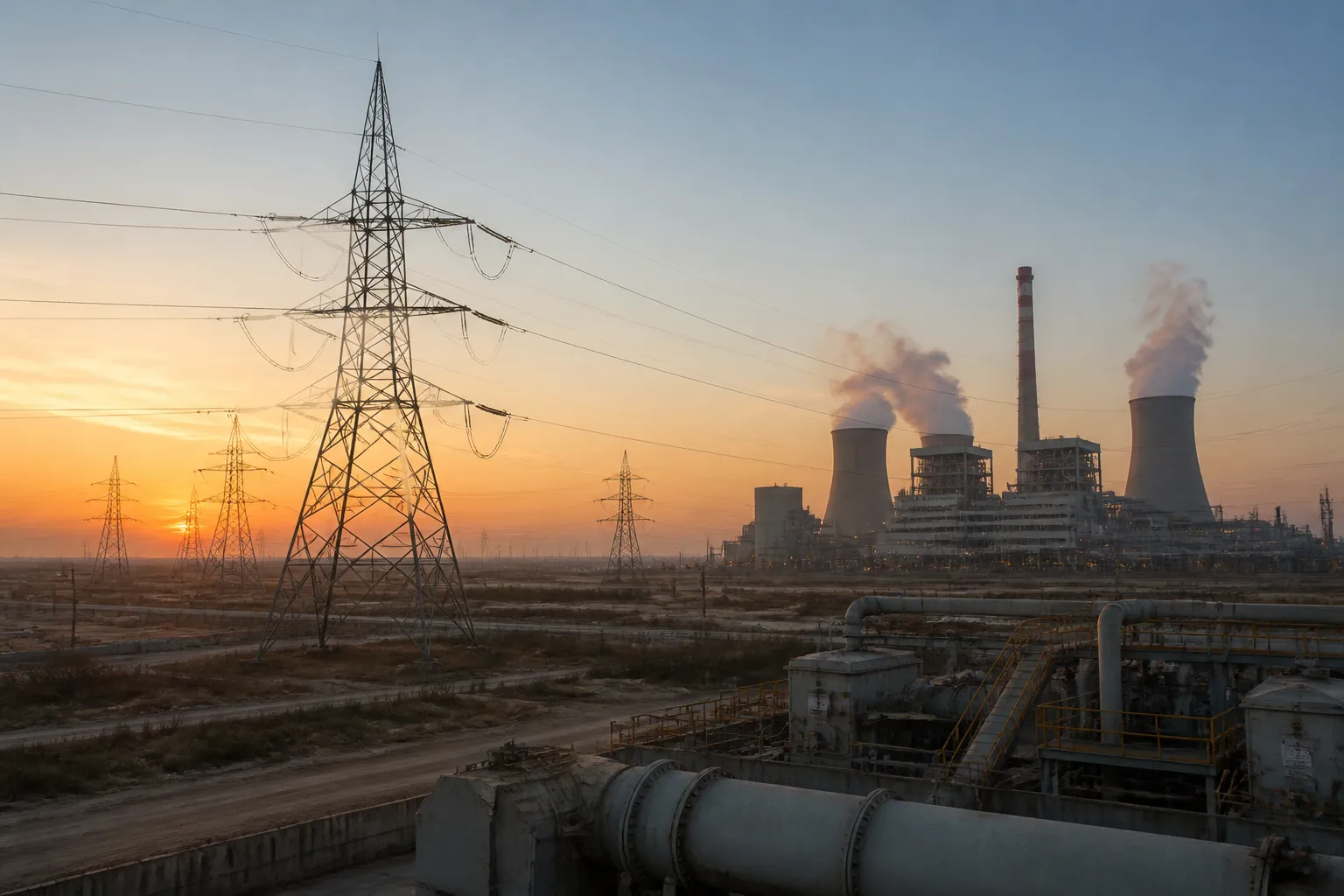
On 29 July 2026, the West Java provincial government and Indonesia’s Ministry of Energy and Mineral Resources marked the start of construction for the Legok Nangka Pengolahan Sampah menjadi Energi Listrik (PSEL) in Legok Nangka, Bandung Regency. The new facility will turn roughly 2,000 tonnes of municipal waste into 40.79 megawatts of electricity.
Indonesia is projected to generate 56.6 million tonnes of waste in 2025. Government statistics show that 63.3 percent of that volume is managed through landfills, waste banks or processing facilities, leaving 35.7 percent—about 20.2 million tonnes—unmanaged. Much of the latter is burned in open pits, dumped into waterways, or stored illegally, while many landfills are nearing capacity.
The Legok Nangka PSEL aligns with the national waste‑to‑energy (WTE) push outlined in Presidential Regulation No. 109 of 2025, which streamlines licensing and provides incentives for WTE projects. The plant will be incorporated into the national Electricity Supply Business Plan (RUPTL) and is projected to cut carbon dioxide emissions by 311,000 tonnes of CO₂ equivalent over its operational life.
Construction is slated to last 41 months, with an estimated investment of US$400 million (Rp7.2 trillion). During the build‑out, the project will employ about 1,500 workers. Once completed, the 40.79‑MW capacity will power roughly 30,000 households in the region.
The groundbreaking was attended by West Java Governor Ridwan Kamil, Minister of Energy and Mineral Resources Bahlil Lahadalia, and representatives from PT Jabar Environmental Solutions (JES). JES—a joint venture of Sumitomo Corporation, Hitachi Zosen, and PT Energia Prima Nusantara—has been selected to supply the waste‑processing technology.
During the ceremony, officials thanked the Japanese government for encouraging Japanese companies to invest in Indonesia’s WTE sector. The West Java provincial government reiterated its commitment to accelerating the Legok Nangka site as both a waste‑management solution and a renewable‑energy source.
Government officials said the Legok Nangka plant would serve as a model for similar projects across Indonesia. The ministry has announced plans to expand WTE projects beyond Bali, with 30 additional sites slated for development. The Legok Nangka project is the first large‑scale WTE plant in West Java and the second in the country after the Bali plant.
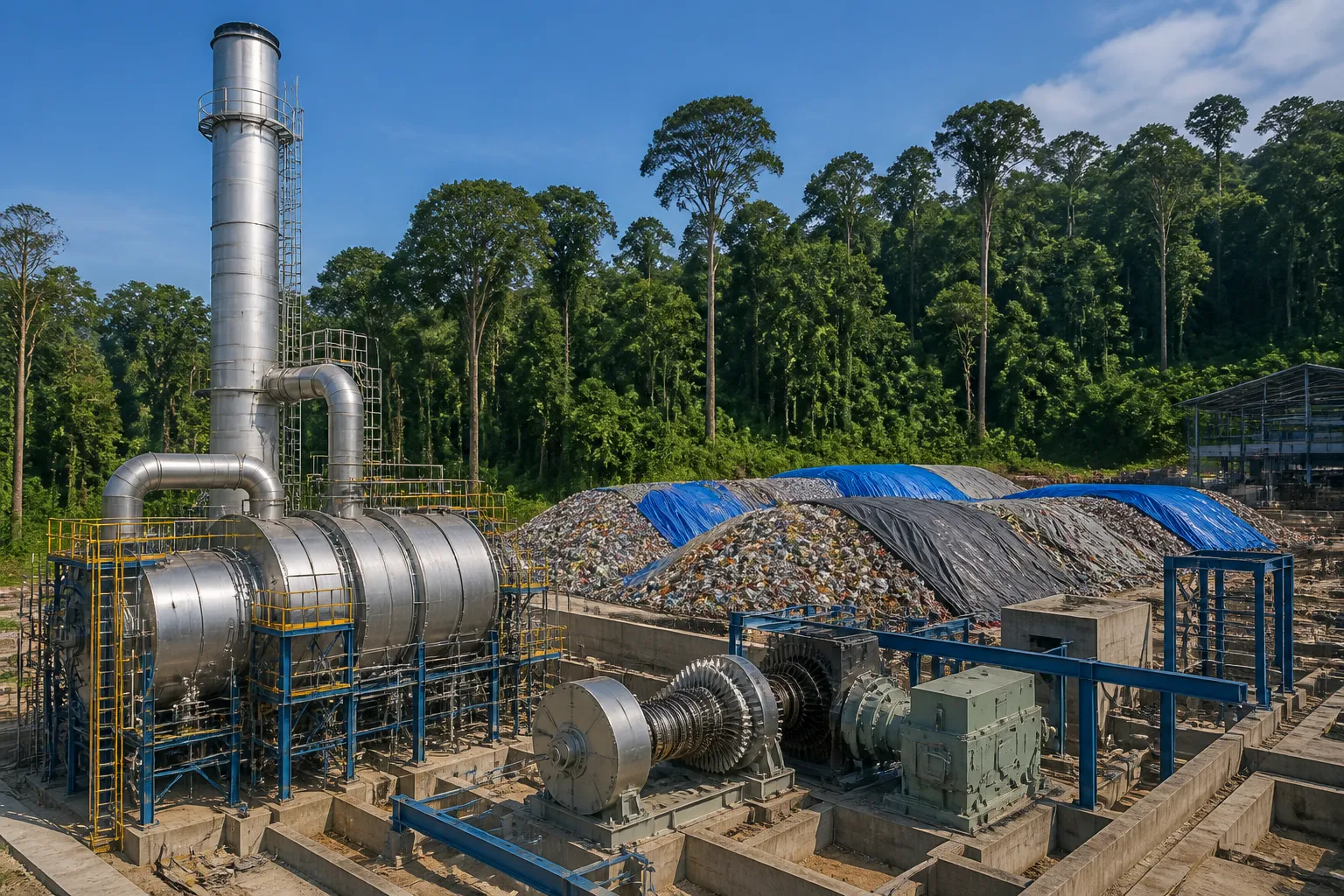
The plant’s design incorporates advanced pollution‑control equipment to meet national emissions standards. It also includes a waste‑acceptance system that will allow the plant to process mixed municipal waste, including plastics, organics, and paper.
Legok Nangka is expected to be operational by the end of 2029. Once online, it will contribute to Indonesia’s renewable‑energy targets and help reduce the environmental impact of the country’s growing waste stream.
The project is part of a broader national effort to address waste mismanagement and diversify the energy mix. The government’s focus on WTE aligns with its goal to increase renewable energy to 31 percent of the national energy mix by 2050.
Legok Nangka is a key component of the national strategy to reduce landfill dependence and convert waste into a valuable energy resource. Its completion will provide a template for future WTE developments and support Indonesia’s broader environmental and energy objectives.
Indonesia is projected to generate 56.6 million tonnes of waste in 2025. Government statistics show that 63.3 percent of that volume is managed through landfills, waste banks or processing facilities, leaving 35.7 percent—about 20.2 million tonnes—unmanaged. Much of the latter is burned in open pits, dumped into waterways, or stored illegally, while many landfills are nearing capacity.
The Legok Nangka PSEL aligns with the national waste‑to‑energy (WTE) push outlined in Presidential Regulation No. 109 of 2025, which streamlines licensing and provides incentives for WTE projects. The plant will be incorporated into the national Electricity Supply Business Plan (RUPTL) and is projected to cut carbon dioxide emissions by 311,000 tonnes of CO₂ equivalent over its operational life.
Construction is slated to last 41 months, with an estimated investment of US$400 million (Rp7.2 trillion). During the build‑out, the project will employ about 1,500 workers. Once completed, the 40.79‑MW capacity will power roughly 30,000 households in the region.
The groundbreaking was attended by West Java Governor Ridwan Kamil, Minister of Energy and Mineral Resources Bahlil Lahadalia, and representatives from PT Jabar Environmental Solutions (JES). JES—a joint venture of Sumitomo Corporation, Hitachi Zosen, and PT Energia Prima Nusantara—has been selected to supply the waste‑processing technology.
During the ceremony, officials thanked the Japanese government for encouraging Japanese companies to invest in Indonesia’s WTE sector. The West Java provincial government reiterated its commitment to accelerating the Legok Nangka site as both a waste‑management solution and a renewable‑energy source.
Government officials said the Legok Nangka plant would serve as a model for similar projects across Indonesia. The ministry has announced plans to expand WTE projects beyond Bali, with 30 additional sites slated for development. The Legok Nangka project is the first large‑scale WTE plant in West Java and the second in the country after the Bali plant.
The plant’s design incorporates advanced pollution‑control equipment to meet national emissions standards. It also includes a waste‑acceptance system that will allow the plant to process mixed municipal waste, including plastics, organics, and paper.
Legok Nangka is expected to be operational by the end of 2029. Once online, it will contribute to Indonesia’s renewable‑energy targets and help reduce the environmental impact of the country’s growing waste stream.
The project is part of a broader national effort to address waste mismanagement and diversify the energy mix. The government’s focus on WTE aligns with its goal to increase renewable energy to 31 percent of the national energy mix by 2050.
Legok Nangka is a key component of the national strategy to reduce landfill dependence and convert waste into a valuable energy resource. Its completion will provide a template for future WTE developments and support Indonesia’s broader environmental and energy objectives.