Blab Business
Rideshare Drivers in Ohio Grapple With Rising Fuel Costs
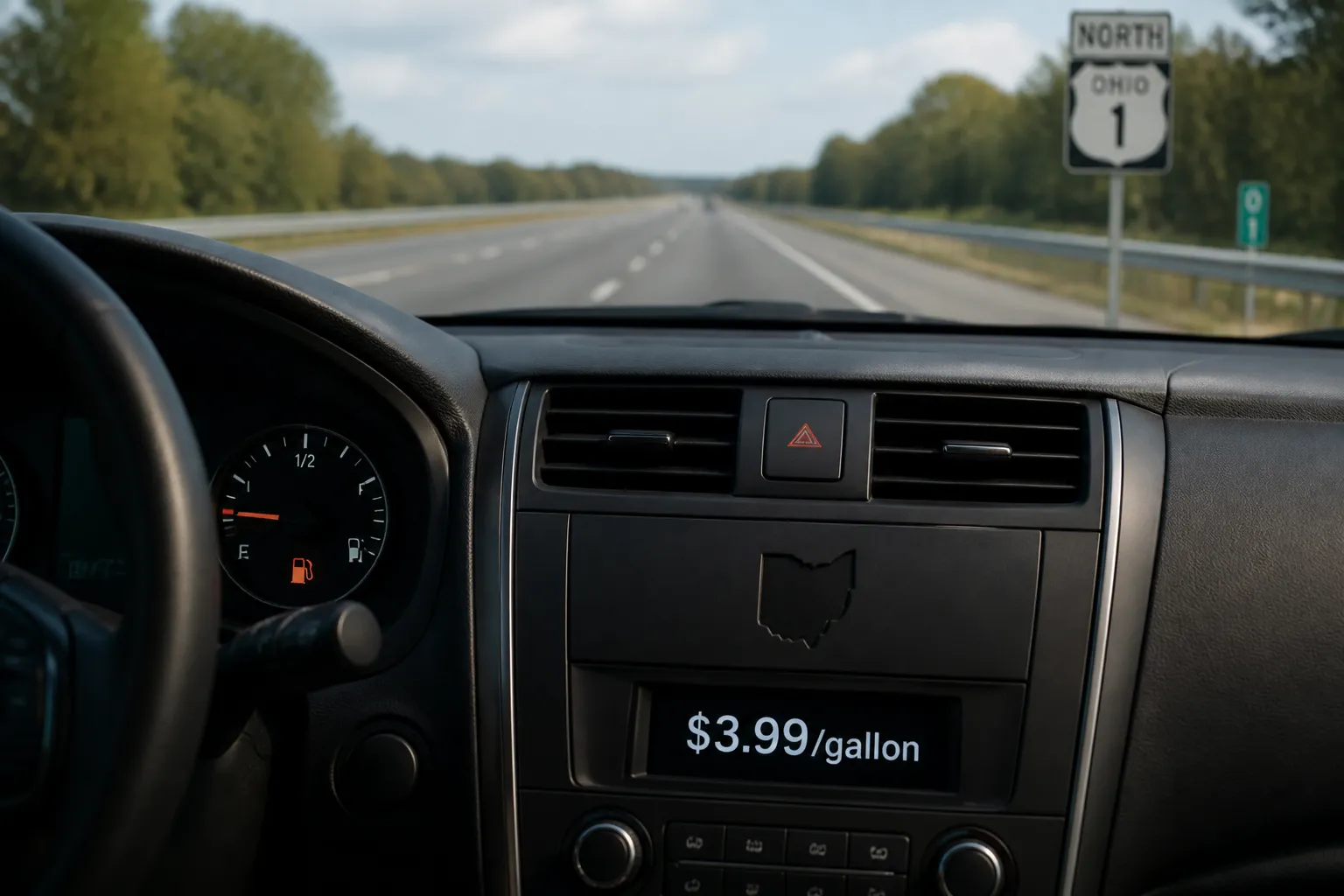
In July 2026, Ohio’s fuel prices have stayed stubbornly high, squeezing the earnings of rideshare drivers who rely on gasoline to make a living. AAA reports that on Thursday, July 30, regular gasoline in Mahoning County topped $3.90 per gallon, while diesel hovered around $5.20. The March spike that pushed prices higher has not eased, leaving drivers with operating costs that are increasingly difficult to absorb.
Odell Houston, the owner of Godeezy Rideshare in McDonald, Ohio, says the surge forced him to rethink his business model. Houston, who once drove for Uber full‑time, launched his own rideshare company two years ago in pursuit of a better wage. When gas prices jumped in March, he faced a hard choice: cover his expenses or keep his family’s roof intact. "With my airport transports, I went up like maybe $20 on those, on most of those. Local has been a little tough because I’m not Uber. As a local business, my prices are a little higher," Houston explained.
Today, Houston averages between five and ten rides a day, including several airport trips to Cleveland or Pittsburgh. Those trips can cost up to $80 a day in fuel. "Whatever it cost me gas‑wise, I have to unfortunately pass that along to the consumer now to keep the business going," he said. He has cut back on shorter local rides because they are no longer profitable at current fuel prices.
Drivers for companies that set fares—such as Uber, Lyft, and DoorDash—cannot adjust rates to reflect rising fuel costs. They must be selective about the rides and orders they accept. "I’ll have to decline a couple of orders because, whether or not they’re like too far and/or if they’re too cheap or something like a low‑offer order. So, I’ll have to decline a lot of orders actually," said Carter Houston, a DoorDash driver.
The higher fuel costs have already taken a toll on Houston’s customer base. After five months of elevated prices, he reports losing a few customers. The summer heat forces him to keep his car’s air conditioning running, which further increases fuel consumption. "If they stay current at these prices or even go higher, it will be very difficult because the price that I would have to make an airport run or a concert, I doubt people would want to pay," Houston said. "I do my best to help people, but at the same time, I can’t just keep spending money on gas and not bringing anything back into the business."
The situation reflects a broader trend among gig‑economy drivers in Ohio and beyond. Fuel prices have remained high since the March spike, and the average cost of a gallon of gasoline in the state is $3.9050, according to AAA. Diesel prices are similarly elevated, averaging $5.20 per gallon. These costs erode the earnings of drivers who must cover fuel, maintenance, and insurance out of pocket.
The impact on drivers is not limited to individual businesses. Local rideshare operators face a dilemma: raising fares could deter customers, while keeping fares low could push them into operating losses. The lack of a mechanism for drivers to adjust rates in response to fuel volatility is a structural issue that has been highlighted by drivers across the state.
At present, there are no regulatory changes on the horizon that would allow drivers to set their own fuel‑adjusted rates. The companies that operate rideshare and delivery platforms maintain a fixed fare structure and take a commission from each booking. As fuel prices remain high, drivers will continue to face the challenge of balancing profitability with customer demand.
In summary, the high fuel costs that began in March have persisted into July, affecting rideshare drivers in Mahoning County and the wider Ohio region. Drivers like Odell Houston are raising fares or cutting rides to manage expenses, while those working for Uber, Lyft, and DoorDash must decline orders that do not cover fuel costs. The situation underscores the vulnerability of gig‑economy workers to commodity price swings and highlights the need for a more flexible pricing model that can accommodate fluctuating operating costs.
Odell Houston, the owner of Godeezy Rideshare in McDonald, Ohio, says the surge forced him to rethink his business model. Houston, who once drove for Uber full‑time, launched his own rideshare company two years ago in pursuit of a better wage. When gas prices jumped in March, he faced a hard choice: cover his expenses or keep his family’s roof intact. "With my airport transports, I went up like maybe $20 on those, on most of those. Local has been a little tough because I’m not Uber. As a local business, my prices are a little higher," Houston explained.
Today, Houston averages between five and ten rides a day, including several airport trips to Cleveland or Pittsburgh. Those trips can cost up to $80 a day in fuel. "Whatever it cost me gas‑wise, I have to unfortunately pass that along to the consumer now to keep the business going," he said. He has cut back on shorter local rides because they are no longer profitable at current fuel prices.
Drivers for companies that set fares—such as Uber, Lyft, and DoorDash—cannot adjust rates to reflect rising fuel costs. They must be selective about the rides and orders they accept. "I’ll have to decline a couple of orders because, whether or not they’re like too far and/or if they’re too cheap or something like a low‑offer order. So, I’ll have to decline a lot of orders actually," said Carter Houston, a DoorDash driver.
The higher fuel costs have already taken a toll on Houston’s customer base. After five months of elevated prices, he reports losing a few customers. The summer heat forces him to keep his car’s air conditioning running, which further increases fuel consumption. "If they stay current at these prices or even go higher, it will be very difficult because the price that I would have to make an airport run or a concert, I doubt people would want to pay," Houston said. "I do my best to help people, but at the same time, I can’t just keep spending money on gas and not bringing anything back into the business."
The situation reflects a broader trend among gig‑economy drivers in Ohio and beyond. Fuel prices have remained high since the March spike, and the average cost of a gallon of gasoline in the state is $3.9050, according to AAA. Diesel prices are similarly elevated, averaging $5.20 per gallon. These costs erode the earnings of drivers who must cover fuel, maintenance, and insurance out of pocket.
The impact on drivers is not limited to individual businesses. Local rideshare operators face a dilemma: raising fares could deter customers, while keeping fares low could push them into operating losses. The lack of a mechanism for drivers to adjust rates in response to fuel volatility is a structural issue that has been highlighted by drivers across the state.
At present, there are no regulatory changes on the horizon that would allow drivers to set their own fuel‑adjusted rates. The companies that operate rideshare and delivery platforms maintain a fixed fare structure and take a commission from each booking. As fuel prices remain high, drivers will continue to face the challenge of balancing profitability with customer demand.
In summary, the high fuel costs that began in March have persisted into July, affecting rideshare drivers in Mahoning County and the wider Ohio region. Drivers like Odell Houston are raising fares or cutting rides to manage expenses, while those working for Uber, Lyft, and DoorDash must decline orders that do not cover fuel costs. The situation underscores the vulnerability of gig‑economy workers to commodity price swings and highlights the need for a more flexible pricing model that can accommodate fluctuating operating costs.