Blab Business
Atlantas Mercedes-Benz Stadium Cuts Concessions, Boosts Fan Spending
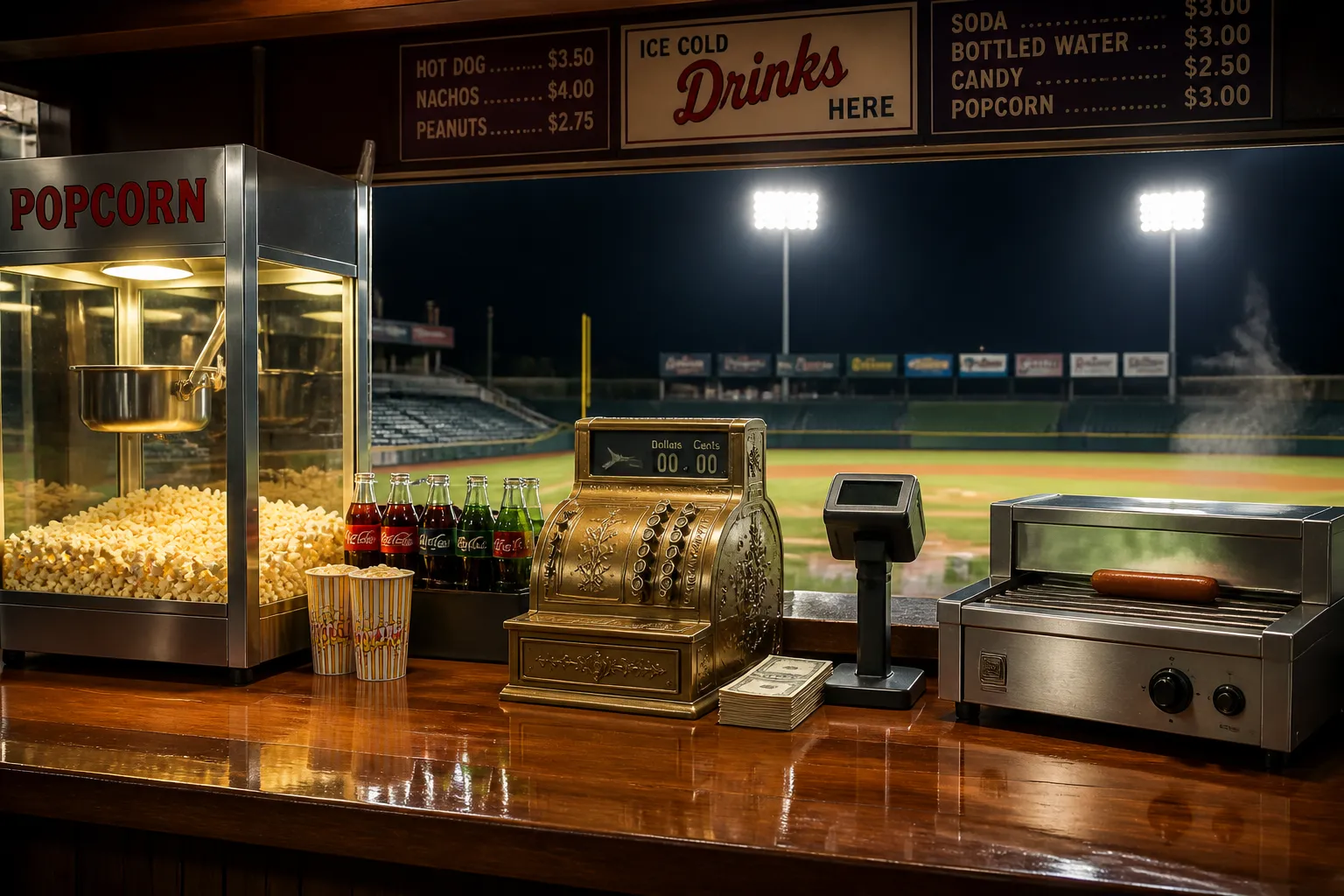
When the Falcons first took the field at Mercedes‑Benz Stadium in 2017, the air was already charged with the scent of hot dogs that cost less than a cup of coffee on the street. The venue’s operators had a simple, fan‑first idea: price popular food and drink items at street‑level rates and let the volume of sales do the rest.
Business Insider’s social‑media team highlighted the concept in an Instagram Reel that opened with fans assembling their own snacks and a chyron reading, “How one stadium actually serves cheaper concessions.” Producer Nikita Grant explained that the stadium’s strategy was to match the price of a Coca‑Cola outside the venue—roughly $3—with the same price inside the stadium.
According to Tim Zulawski, president of Arthur M. Blank Sports and Entertainment, the stadium “took those core items and made sure they were available at what we call street pricing.” Under the system, a hot dog costs $2 and a domestic beer $5, prices that are comparable to what fans can buy in the surrounding neighborhood.
Grant reports that the lower prices have had a measurable impact on fan behavior. “With cheaper concessions, you would think the stadium would make less money, right? Actually, the opposite happened,” she says. The stadium’s data show fans spent 60 % more on food and drinks, total transactions increased by 30 %, and overall spending rose by 20 %.
Zulawski added that the pricing model allows the stadium to invest further in the fan experience. “When fans feel they are getting a good deal, they are more likely to purchase additional items such as hats or jerseys,” he said. The model has also attracted attention from other venues.
A recent comparison of Major League Baseball parks shows that Coors Field in Colorado and Angel Stadium in Anaheim keep beer prices around $4 or less, while Fenway Park’s beers average $11. Yankee Stadium’s hot dog price is $3.08, the lowest among the parks surveyed.
The fan‑first strategy is not limited to Falcons games. Zulawski confirmed that the pricing applies to all events hosted by Mercedes‑Benz Stadium, including concerts, Atlanta United soccer matches, and the 2026 FIFA World Cup games that the venue will host.
Industry observers note that the model aligns with a broader trend of stadiums experimenting with more affordable concessions to improve the fan experience and drive ancillary revenue. For example, the Baltimore Ravens’ M&T Bank Stadium has recently reduced the price of a 12‑oz beer by $2, and the Orioles’ Oriole Park at Camden Yards has introduced a fan‑friendly menu with most items priced at $5 or less.
The impact on revenue is significant. While the stadium’s concession sales are only a portion of its overall income, the increased volume of transactions has helped offset the lower unit prices. The higher foot traffic also benefits other revenue streams, such as merchandise sales.
Looking ahead, Mercedes‑Benz Stadium will continue to use the fan‑first model for the remainder of the 2026 World Cup season and beyond. The stadium’s operators have indicated that the pricing strategy will remain in place for future concerts and sporting events, and that it may be adapted to include meal‑pack options for fans who prefer a bundled experience.
In sum, the fan‑first concession model at Mercedes‑Benz Stadium demonstrates that lower prices can coexist with higher overall spending, benefiting both fans and the venue’s bottom line. The model’s success has prompted other stadiums to consider similar approaches as they seek to enhance the fan experience while maintaining profitability.
Business Insider’s social‑media team highlighted the concept in an Instagram Reel that opened with fans assembling their own snacks and a chyron reading, “How one stadium actually serves cheaper concessions.” Producer Nikita Grant explained that the stadium’s strategy was to match the price of a Coca‑Cola outside the venue—roughly $3—with the same price inside the stadium.
According to Tim Zulawski, president of Arthur M. Blank Sports and Entertainment, the stadium “took those core items and made sure they were available at what we call street pricing.” Under the system, a hot dog costs $2 and a domestic beer $5, prices that are comparable to what fans can buy in the surrounding neighborhood.
Grant reports that the lower prices have had a measurable impact on fan behavior. “With cheaper concessions, you would think the stadium would make less money, right? Actually, the opposite happened,” she says. The stadium’s data show fans spent 60 % more on food and drinks, total transactions increased by 30 %, and overall spending rose by 20 %.
Zulawski added that the pricing model allows the stadium to invest further in the fan experience. “When fans feel they are getting a good deal, they are more likely to purchase additional items such as hats or jerseys,” he said. The model has also attracted attention from other venues.
A recent comparison of Major League Baseball parks shows that Coors Field in Colorado and Angel Stadium in Anaheim keep beer prices around $4 or less, while Fenway Park’s beers average $11. Yankee Stadium’s hot dog price is $3.08, the lowest among the parks surveyed.
The fan‑first strategy is not limited to Falcons games. Zulawski confirmed that the pricing applies to all events hosted by Mercedes‑Benz Stadium, including concerts, Atlanta United soccer matches, and the 2026 FIFA World Cup games that the venue will host.
Industry observers note that the model aligns with a broader trend of stadiums experimenting with more affordable concessions to improve the fan experience and drive ancillary revenue. For example, the Baltimore Ravens’ M&T Bank Stadium has recently reduced the price of a 12‑oz beer by $2, and the Orioles’ Oriole Park at Camden Yards has introduced a fan‑friendly menu with most items priced at $5 or less.
The impact on revenue is significant. While the stadium’s concession sales are only a portion of its overall income, the increased volume of transactions has helped offset the lower unit prices. The higher foot traffic also benefits other revenue streams, such as merchandise sales.
Looking ahead, Mercedes‑Benz Stadium will continue to use the fan‑first model for the remainder of the 2026 World Cup season and beyond. The stadium’s operators have indicated that the pricing strategy will remain in place for future concerts and sporting events, and that it may be adapted to include meal‑pack options for fans who prefer a bundled experience.
In sum, the fan‑first concession model at Mercedes‑Benz Stadium demonstrates that lower prices can coexist with higher overall spending, benefiting both fans and the venue’s bottom line. The model’s success has prompted other stadiums to consider similar approaches as they seek to enhance the fan experience while maintaining profitability.