Blab Business
California Vineyards Burned as Wine Sales Reach 20-Year Low
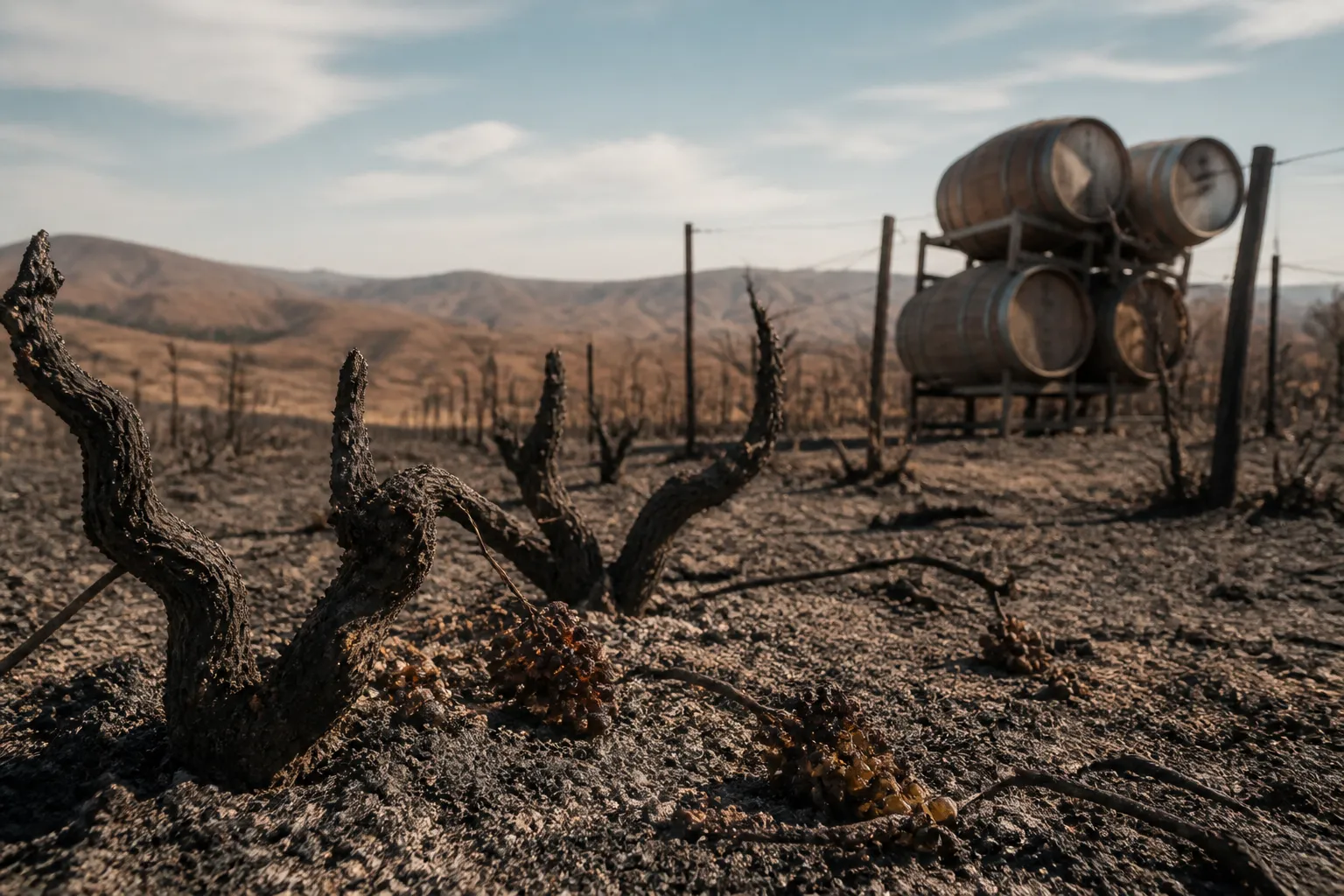
In the rolling Santa Lucia Highlands of Monterey County, a quiet blaze is consuming California’s wine heritage. Grower Jason Smith watched workers tear up and set fire to his pinot noir vines, a deliberate act that signals the sale of the land and the shuttering of his 51‑year‑old family business. “There’s literally no way for me to make money,” he said.
California, which produces roughly 80 % of the United States’ wine, is in a sharp reset. Red‑wine sales, especially pinot noir, have fallen sharply. Production of the variety has dropped by about a third since 2021, and many post‑boom plantings are being pulled. According to data from the California Association of Winegrape Growers, growers removed some 38,000 acres of vines last year—about 7 % of all grapes planted statewide. An estimated half a million tons of grapes were not harvested.
The decline follows a broader shift in consumer preferences. Americans are drinking less wine overall and are turning to canned cocktails, seltzers and non‑alcoholic beverages. The result is a glut of unsold bottles that has made harvesting and bottling increasingly unprofitable. Some producers are experimenting with lighter, lesser‑known white varieties in an attempt to find a niche that still commands a price.
Industry experts say the downturn is likely to bottom out within the next two years. A report from Silicon Valley Bank’s State of the U.S. Wine Industry predicts the industry’s decline will reach a low point in 2027 or 2028. The report notes that the current crisis is driven by a combination of supply reduction, inventory normalization and a lagging demand recovery.
The trend is not limited to a single region. In Napa Valley, wineries have announced closures and layoffs, and the California Farm Bureau has projected another 40,000 acres of vines will be removed this year. In Lodi, growers are concerned about the projected additional vine removal.
The practice of burning vines is not new, but its frequency and scale are unprecedented. The New York Times reported that some California winemakers are burning their own vineyards rather than bottling them, citing low prices and oversupply as the main drivers. The practice has been described as a “burn‑and‑sell” strategy that eliminates the costs of maintenance, pest control and eventual harvesting.
The impact on the broader wine market is significant. California’s reputation for high‑quality wines, built on milestones such as the 1976 Paris tasting, is now being challenged by a market that is less willing to pay premium prices for traditional varietals. The shift toward lighter, lower‑cost products is reshaping the industry’s product mix.
The story also highlights the economic pressures on small and family‑owned wineries. In addition to the cost of maintaining vines, growers face high labor costs, water restrictions and climate‑related risks. The decision to burn vines is often a last resort when the cost of production outweighs the potential revenue.
The industry’s future will depend on how quickly consumer demand can recover and whether new product lines can capture market share. Investors and analysts will be watching upcoming earnings reports from major California wineries, as well as any regulatory changes related to water use and agricultural subsidies. The next few months will also bring shareholder votes on strategic plans and potential mergers or acquisitions that could reshape the competitive landscape.
In the meantime, the sight of charred vines across California’s wine country serves as a stark reminder of a market that has reached a new low. The industry’s ability to adapt to changing consumer tastes and economic realities will determine whether it can recover from this unprecedented downturn.
California, which produces roughly 80 % of the United States’ wine, is in a sharp reset. Red‑wine sales, especially pinot noir, have fallen sharply. Production of the variety has dropped by about a third since 2021, and many post‑boom plantings are being pulled. According to data from the California Association of Winegrape Growers, growers removed some 38,000 acres of vines last year—about 7 % of all grapes planted statewide. An estimated half a million tons of grapes were not harvested.
The decline follows a broader shift in consumer preferences. Americans are drinking less wine overall and are turning to canned cocktails, seltzers and non‑alcoholic beverages. The result is a glut of unsold bottles that has made harvesting and bottling increasingly unprofitable. Some producers are experimenting with lighter, lesser‑known white varieties in an attempt to find a niche that still commands a price.
Industry experts say the downturn is likely to bottom out within the next two years. A report from Silicon Valley Bank’s State of the U.S. Wine Industry predicts the industry’s decline will reach a low point in 2027 or 2028. The report notes that the current crisis is driven by a combination of supply reduction, inventory normalization and a lagging demand recovery.
The trend is not limited to a single region. In Napa Valley, wineries have announced closures and layoffs, and the California Farm Bureau has projected another 40,000 acres of vines will be removed this year. In Lodi, growers are concerned about the projected additional vine removal.
The practice of burning vines is not new, but its frequency and scale are unprecedented. The New York Times reported that some California winemakers are burning their own vineyards rather than bottling them, citing low prices and oversupply as the main drivers. The practice has been described as a “burn‑and‑sell” strategy that eliminates the costs of maintenance, pest control and eventual harvesting.
The impact on the broader wine market is significant. California’s reputation for high‑quality wines, built on milestones such as the 1976 Paris tasting, is now being challenged by a market that is less willing to pay premium prices for traditional varietals. The shift toward lighter, lower‑cost products is reshaping the industry’s product mix.
The story also highlights the economic pressures on small and family‑owned wineries. In addition to the cost of maintaining vines, growers face high labor costs, water restrictions and climate‑related risks. The decision to burn vines is often a last resort when the cost of production outweighs the potential revenue.
The industry’s future will depend on how quickly consumer demand can recover and whether new product lines can capture market share. Investors and analysts will be watching upcoming earnings reports from major California wineries, as well as any regulatory changes related to water use and agricultural subsidies. The next few months will also bring shareholder votes on strategic plans and potential mergers or acquisitions that could reshape the competitive landscape.
In the meantime, the sight of charred vines across California’s wine country serves as a stark reminder of a market that has reached a new low. The industry’s ability to adapt to changing consumer tastes and economic realities will determine whether it can recover from this unprecedented downturn.