Blab Business
Christchurch Food Trucker Faces Repeated Break-Ins Amid Rising Anti-Social Behaviour
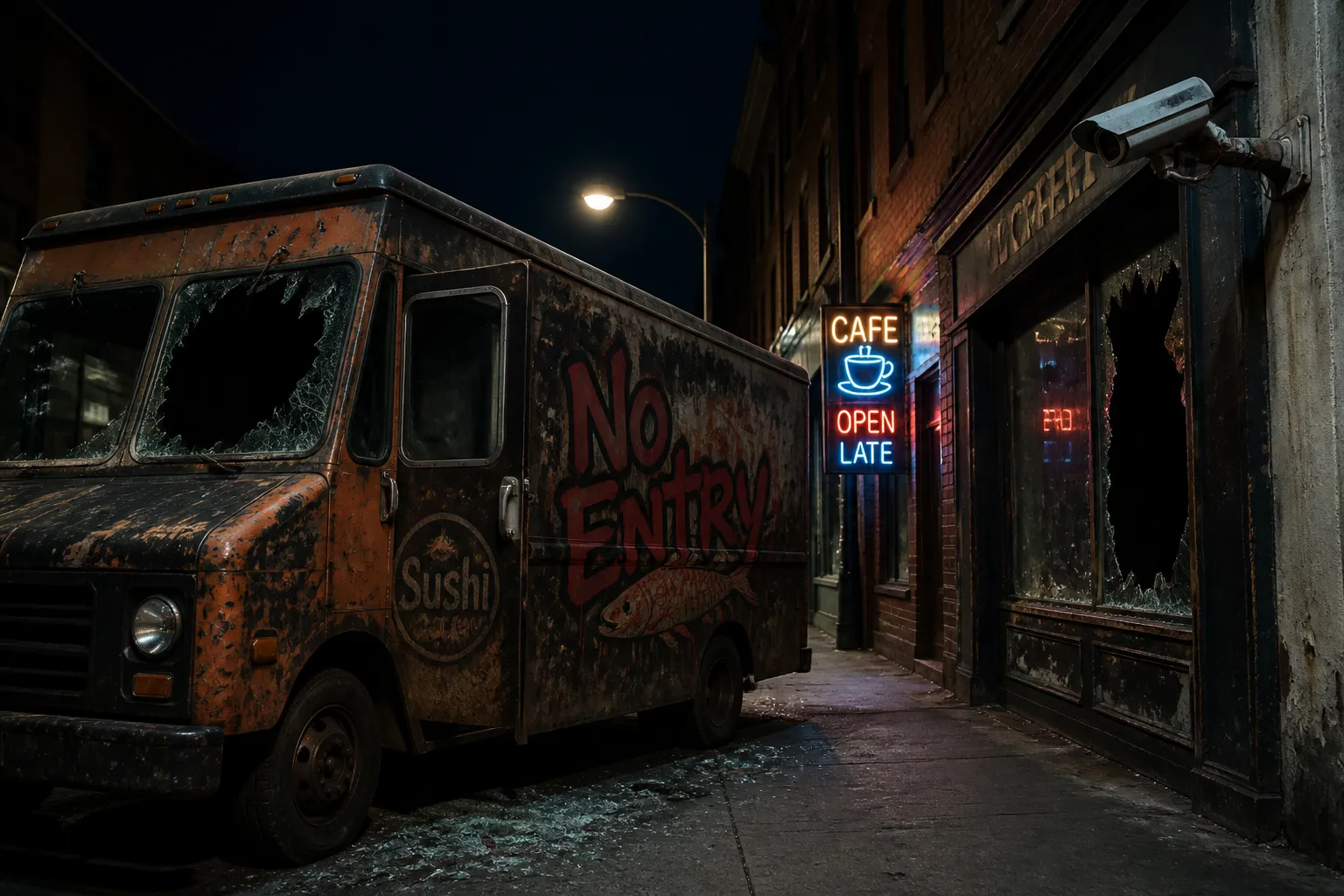
Tomas Kubica has run the Raclette Team food truck for three years, but his business has been repeatedly targeted by vandals and burglars at the Christchurch Arts Centre. In April, the truck was broken into twice: a tablet was smashed and doors and structural components were damaged. Kubica estimates the total cost of repairs, lost stock and income at $5,000.
Kubica began serving raclette cheese at the Arts Centre a year and a half ago. "As a small business, experiences like these have a huge impact on us financially and emotionally," he told reporters. He also noted a rise in aggressive behaviour from homeless people who had previously asked for food. "We support homeless people, but these people have become really bad to us," he added.
The Arts Centre, a heritage precinct that attracts about a million visitors a year, has seen several food trucks suffer similar attacks. Sangkutsa, a Filipino‑cuisine truck, was broken into four times over the past two years. Owner Reuben Boiser said a burglary in early 2024 destroyed the truck’s locks and caused damage to serving windows and doors. He also reported theft of a chef’s knife and a lighter.
Other operators, including Korean‑cuisine truck Jaeju, have reported break‑ins. Boiser said the incidents are not isolated and that many small businesses are increasingly concerned about the impact of theft, vandalism and anti‑social behaviour.
Christchurch Police Inspector Paul Reeves confirmed that three food trucks were broken into three months ago, but no arrests have been made. "Police take all reports of anti‑social behaviour seriously and respond and investigate accordingly," Reeves said.
Arts Centre operations manager Daniel Stirling said anti‑social behaviour is not a significant issue in the precinct. "We experience the occasional incident with opportunists targeting our small businesses from time‑to‑time. We take measures to reduce and mitigate these incidents," he said.
Retail NZ advocacy manager Denise Garland noted a rise in abusive and aggressive behaviour since the Covid‑19 pandemic. "Businesses are using extra security, including monitoring their CCTV and educating and training staff about de‑escalating volatile situations," Garland said.
The incidents highlight a broader trend of increased retail crime in Christchurch. According to the Christchurch Central‑West crime statistics released in April, burglary and theft rates have risen in the city’s central area. The city’s police department has been working with local business groups to improve security measures.
The Arts Centre’s location in the former Canterbury College buildings means that many food trucks operate in a heritage setting that attracts a diverse crowd. The precinct’s management has said it will continue to support small businesses, but the repeated break‑ins have raised questions about the adequacy of current security arrangements.
Kubica’s experience is one of several that have drawn attention to the challenges faced by street‑food operators in Christchurch. While the city’s police and the Arts Centre have pledged to investigate and mitigate incidents, no clear resolution has yet been announced.
The situation remains unresolved as the city considers additional security measures. No new legislation has been introduced, and no further police action has been reported. The food truck operators are awaiting the outcome of ongoing investigations and are monitoring the situation closely.
The next steps for the affected businesses will likely involve reviewing security protocols, potentially increasing insurance coverage, and engaging with local authorities to strengthen protective measures. The city’s police and the Arts Centre will need to coordinate closely to prevent further incidents and reassure the small‑business community.
The incidents underscore the need for a balanced approach that protects businesses while addressing the underlying social issues that contribute to anti‑social behaviour in Christchurch.
Kubica began serving raclette cheese at the Arts Centre a year and a half ago. "As a small business, experiences like these have a huge impact on us financially and emotionally," he told reporters. He also noted a rise in aggressive behaviour from homeless people who had previously asked for food. "We support homeless people, but these people have become really bad to us," he added.
The Arts Centre, a heritage precinct that attracts about a million visitors a year, has seen several food trucks suffer similar attacks. Sangkutsa, a Filipino‑cuisine truck, was broken into four times over the past two years. Owner Reuben Boiser said a burglary in early 2024 destroyed the truck’s locks and caused damage to serving windows and doors. He also reported theft of a chef’s knife and a lighter.
Other operators, including Korean‑cuisine truck Jaeju, have reported break‑ins. Boiser said the incidents are not isolated and that many small businesses are increasingly concerned about the impact of theft, vandalism and anti‑social behaviour.
Christchurch Police Inspector Paul Reeves confirmed that three food trucks were broken into three months ago, but no arrests have been made. "Police take all reports of anti‑social behaviour seriously and respond and investigate accordingly," Reeves said.
Arts Centre operations manager Daniel Stirling said anti‑social behaviour is not a significant issue in the precinct. "We experience the occasional incident with opportunists targeting our small businesses from time‑to‑time. We take measures to reduce and mitigate these incidents," he said.
Retail NZ advocacy manager Denise Garland noted a rise in abusive and aggressive behaviour since the Covid‑19 pandemic. "Businesses are using extra security, including monitoring their CCTV and educating and training staff about de‑escalating volatile situations," Garland said.
The incidents highlight a broader trend of increased retail crime in Christchurch. According to the Christchurch Central‑West crime statistics released in April, burglary and theft rates have risen in the city’s central area. The city’s police department has been working with local business groups to improve security measures.
The Arts Centre’s location in the former Canterbury College buildings means that many food trucks operate in a heritage setting that attracts a diverse crowd. The precinct’s management has said it will continue to support small businesses, but the repeated break‑ins have raised questions about the adequacy of current security arrangements.
Kubica’s experience is one of several that have drawn attention to the challenges faced by street‑food operators in Christchurch. While the city’s police and the Arts Centre have pledged to investigate and mitigate incidents, no clear resolution has yet been announced.
The situation remains unresolved as the city considers additional security measures. No new legislation has been introduced, and no further police action has been reported. The food truck operators are awaiting the outcome of ongoing investigations and are monitoring the situation closely.
The next steps for the affected businesses will likely involve reviewing security protocols, potentially increasing insurance coverage, and engaging with local authorities to strengthen protective measures. The city’s police and the Arts Centre will need to coordinate closely to prevent further incidents and reassure the small‑business community.
The incidents underscore the need for a balanced approach that protects businesses while addressing the underlying social issues that contribute to anti‑social behaviour in Christchurch.