Blab Business
New York Assembly Bill A11501 Would Mandate 10% Discount for Self-Checkout Grocery Purchases
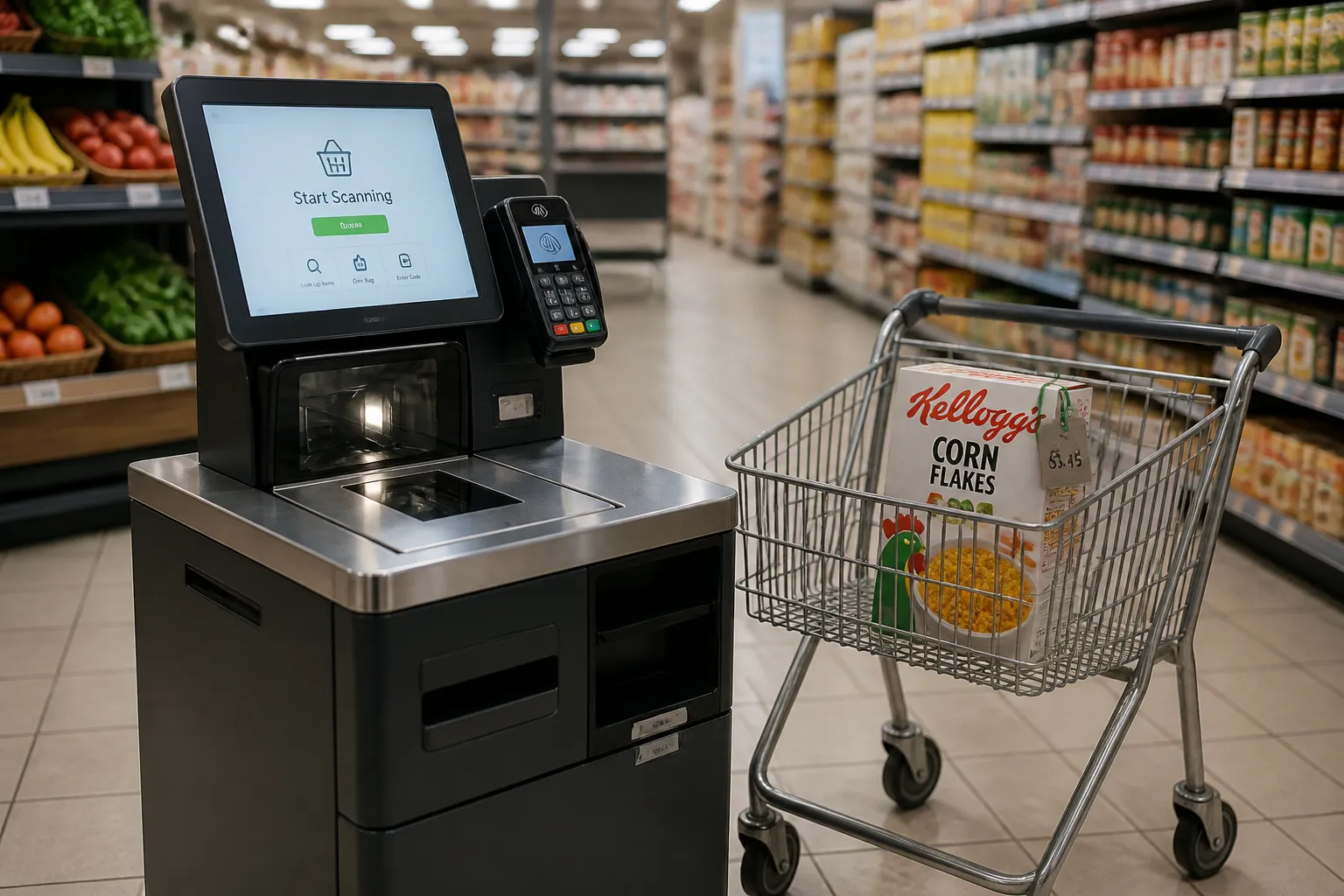
If you’re planning to scan your groceries at a self‑checkout kiosk, you might soon find your receipt showing a 10 % discount. That’s the proposal at the heart of a New York State Assembly bill now in committee. Introduced by Assemblywoman Nikki Lucas of Brooklyn, the measure would obligate supermarkets, grocery stores and other food retailers to offer the discount on every self‑checkout transaction. As of now, the bill has not advanced beyond committee, leaving its fate uncertain.
Lucas says the bill’s goal is to compensate shoppers for the labor that self‑checkout systems demand from them. In the draft she notes, “retail businesses increasingly rely on self‑checkout systems to reduce staffing and operational costs by shifting responsibilities traditionally performed by employees onto consumers.” The proposed law would make the 10 % discount mandatory for every self‑checkout sale.
Supermarkets normally run on razor‑thin margins, roughly 2 % according to industry data. A blanket 10 % discount on self‑checkout transactions would impose a sizable hit on those margins. Retailers might be forced to raise prices elsewhere, trim staff, or absorb losses that could prove unsustainable. The New York Post warned that the proposal “would drive them all out of business” and that consumers would ultimately pay the price in higher costs.
Other states are also grappling with self‑checkout regulation. Rhode Island’s Restrictions on Self‑Service Checkout Stations Act, which will take effect on January 1 2027, mandates a staffed checkout for every three self‑service stations during peak hours and levies fines of up to $1,000 per day for violations. Washington, Massachusetts, Connecticut, California, Ohio, and Rhode Island have likewise introduced or passed rules that cap the number of self‑checkout kiosks or require staff support.
What sets the New York proposal apart is that it would actually return money to shoppers. Forbes reported that the bill responds to consumer complaints that “customers question why they are performing work the retailer has been traditionally expected to handle, without sharing directly in the savings.” The legislation frames the discount as a means to “ensure fairness” and to “allow the public to share in the financial savings created by self‑service technology.”
Industry analysts note that self‑checkout has become ubiquitous. Early 2026 data shows that 82 % of U.S. consumers use self‑checkout, and 60 % of Walmart stores handle grocery items solely through self‑checkout kiosks. The global self‑checkout market was valued at $6.2 billion in 2025 and is projected to grow to $14.1 billion by 2034.
Retailers maintain that self‑checkout cuts staffing expenses and streamlines customer flow. The bill, however, would undermine those gains by imposing a discount that adds cost without generating new savings, merely shifting the burden. The New York Post and other commentators have called the measure “economic illiteracy disguised as populism,” arguing that the discount would not lower the overall cost of goods but would compel retailers to absorb the expense or transfer it to consumers.
The bill remains in committee, with no vote slated and a packed Assembly calendar. Should it pass, retailers would have to rethink pricing strategies, staffing structures, and potentially redesign checkout zones to meet the new requirement. Shoppers would receive a 10 % discount on self‑checkout purchases, but how that translates into net savings remains uncertain.
Currently, the bill is among a handful of state‑level initiatives targeting self‑checkout technology. If enacted, it would become the first U.S. law to mandate a consumer discount tied to self‑service. The decision will hinge on committee deliberations, stakeholder input, and the larger conversation about automation’s effect on retail economics.
The next milestone is a committee hearing, after which the Assembly could hold a vote. Retailers, consumer groups, and legislators are expected to weigh in on the bill’s economic implications before a final decision.
Lucas says the bill’s goal is to compensate shoppers for the labor that self‑checkout systems demand from them. In the draft she notes, “retail businesses increasingly rely on self‑checkout systems to reduce staffing and operational costs by shifting responsibilities traditionally performed by employees onto consumers.” The proposed law would make the 10 % discount mandatory for every self‑checkout sale.
Supermarkets normally run on razor‑thin margins, roughly 2 % according to industry data. A blanket 10 % discount on self‑checkout transactions would impose a sizable hit on those margins. Retailers might be forced to raise prices elsewhere, trim staff, or absorb losses that could prove unsustainable. The New York Post warned that the proposal “would drive them all out of business” and that consumers would ultimately pay the price in higher costs.
Other states are also grappling with self‑checkout regulation. Rhode Island’s Restrictions on Self‑Service Checkout Stations Act, which will take effect on January 1 2027, mandates a staffed checkout for every three self‑service stations during peak hours and levies fines of up to $1,000 per day for violations. Washington, Massachusetts, Connecticut, California, Ohio, and Rhode Island have likewise introduced or passed rules that cap the number of self‑checkout kiosks or require staff support.
What sets the New York proposal apart is that it would actually return money to shoppers. Forbes reported that the bill responds to consumer complaints that “customers question why they are performing work the retailer has been traditionally expected to handle, without sharing directly in the savings.” The legislation frames the discount as a means to “ensure fairness” and to “allow the public to share in the financial savings created by self‑service technology.”
Industry analysts note that self‑checkout has become ubiquitous. Early 2026 data shows that 82 % of U.S. consumers use self‑checkout, and 60 % of Walmart stores handle grocery items solely through self‑checkout kiosks. The global self‑checkout market was valued at $6.2 billion in 2025 and is projected to grow to $14.1 billion by 2034.
Retailers maintain that self‑checkout cuts staffing expenses and streamlines customer flow. The bill, however, would undermine those gains by imposing a discount that adds cost without generating new savings, merely shifting the burden. The New York Post and other commentators have called the measure “economic illiteracy disguised as populism,” arguing that the discount would not lower the overall cost of goods but would compel retailers to absorb the expense or transfer it to consumers.
The bill remains in committee, with no vote slated and a packed Assembly calendar. Should it pass, retailers would have to rethink pricing strategies, staffing structures, and potentially redesign checkout zones to meet the new requirement. Shoppers would receive a 10 % discount on self‑checkout purchases, but how that translates into net savings remains uncertain.
Currently, the bill is among a handful of state‑level initiatives targeting self‑checkout technology. If enacted, it would become the first U.S. law to mandate a consumer discount tied to self‑service. The decision will hinge on committee deliberations, stakeholder input, and the larger conversation about automation’s effect on retail economics.
The next milestone is a committee hearing, after which the Assembly could hold a vote. Retailers, consumer groups, and legislators are expected to weigh in on the bill’s economic implications before a final decision.