Blab Business
Karo Regencys 2026 Flower and Fruit Festival Boosts Tourism and Local Economy
The three‑day Flower and Fruit Festival in Karo Regency, North Sumatra, concluded on Sunday, drawing thousands of visitors to the highland town of Kabanjahe. Organizers said the event helped increase tourist arrivals, raise transactions for micro‑, small‑ and medium‑enterprise (MSME) vendors, and give wider exposure to Karo’s horticultural products.
The festival, themed “The Eternal of Karo Paradise – Pesona Abadi Tanah Karo,” featured traditional arts, cultural performances, business‑matching sessions, and a range of supporting events. According to the regent, the success of the 2026 festival was the result of collaboration among all elements of the Karo community rather than the achievement of the local government alone.
The event’s inclusion in the 2026 Karisma Event Nusantara (KEN) program was highlighted as a milestone. KEN is a national initiative that showcases 125 cultural, artistic, culinary and carnival events from 38 provinces. By being part of KEN, Karo Regency strengthened its position as one of Indonesia’s leading tourism destinations.
During the festival, hotel and accommodation occupancy rates rose, business transactions grew, and local MSME products gained wider recognition. Karo’s agricultural and horticultural products also received greater promotional exposure. The regent urged residents to maintain the spirit of collaboration in developing tourism and agriculture, and to preserve the region’s cleanliness, beauty and hospitality.
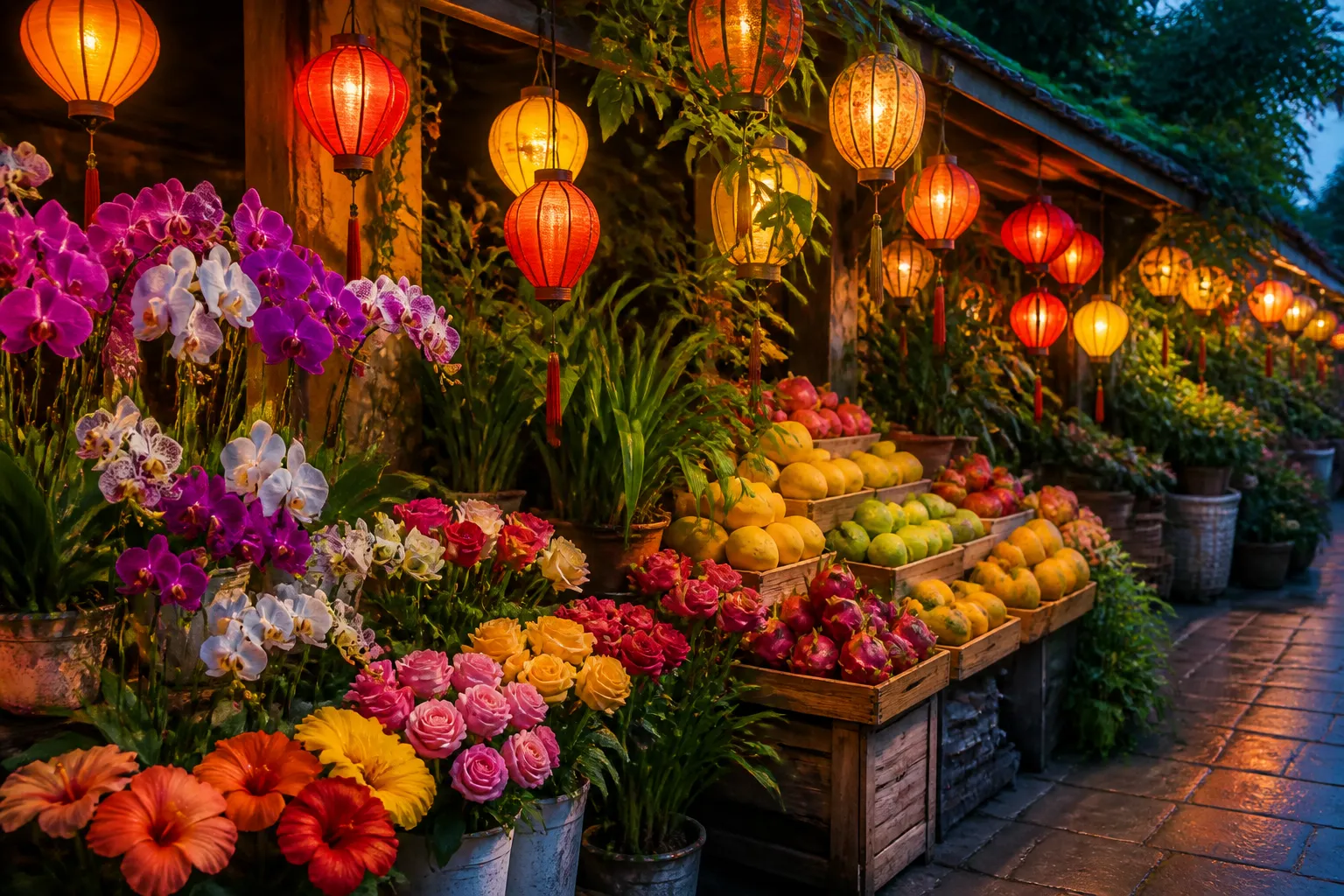
The festival’s agenda included extensive exhibitions of local flowers, fruits, vegetables and ornamental plants, showcasing the highland’s fertile agricultural landscape. The event also served as a platform for farmers and growers to display their produce and to network with potential buyers.
Karo Regency, established in 1956, covers an area of 2,127 square kilometres in the Barisan Mountains. Its seat is Kabanjahe, a town about 90 minutes from Medan. The region is known for its cool climate, which supports the cultivation of a variety of flowers and fruits that are popular both locally and in larger markets.
Indonesia’s tourism sector is a significant contributor to the national economy, with the Ministry of Tourism promoting events such as KEN to attract domestic and international visitors. The 2026 Karo festival aligns with national efforts to boost tourism in high‑potential areas.
The regent’s remarks emphasize that the festival’s success was a collective effort. He said, “The success of this event is not the achievement of one or two individuals, but the result of cooperation and synergy among all members of the Karo community.” He also noted that the festival served not only as a cultural celebration but also as a driver of tangible economic benefits for local communities.
Although the festival has ended, the regent called on residents to keep up the enthusiasm and to look forward to the 2027 Flower and Fruit Festival. He added that maintaining cleanliness, beauty and hospitality will ensure that Karo District remains a welcoming destination for future visitors.
The 2026 festival’s outcomes are expected to influence the region’s tourism strategy for the coming year. Local authorities plan to build on the momentum by enhancing infrastructure, supporting MSMEs, and promoting Karo’s horticultural products through national and international channels. The next festival will provide another opportunity to showcase the region’s cultural heritage and agricultural strengths.
In summary, the 2026 Flower and Fruit Festival in Karo Regency successfully promoted tourism, stimulated the local economy, and reinforced the district’s position within Indonesia’s national tourism framework. The event’s collaborative model and inclusion in KEN set a precedent for future regional festivals aimed at boosting both cultural visibility and economic development.
The festival, themed “The Eternal of Karo Paradise – Pesona Abadi Tanah Karo,” featured traditional arts, cultural performances, business‑matching sessions, and a range of supporting events. According to the regent, the success of the 2026 festival was the result of collaboration among all elements of the Karo community rather than the achievement of the local government alone.
The event’s inclusion in the 2026 Karisma Event Nusantara (KEN) program was highlighted as a milestone. KEN is a national initiative that showcases 125 cultural, artistic, culinary and carnival events from 38 provinces. By being part of KEN, Karo Regency strengthened its position as one of Indonesia’s leading tourism destinations.
During the festival, hotel and accommodation occupancy rates rose, business transactions grew, and local MSME products gained wider recognition. Karo’s agricultural and horticultural products also received greater promotional exposure. The regent urged residents to maintain the spirit of collaboration in developing tourism and agriculture, and to preserve the region’s cleanliness, beauty and hospitality.
The festival’s agenda included extensive exhibitions of local flowers, fruits, vegetables and ornamental plants, showcasing the highland’s fertile agricultural landscape. The event also served as a platform for farmers and growers to display their produce and to network with potential buyers.
Karo Regency, established in 1956, covers an area of 2,127 square kilometres in the Barisan Mountains. Its seat is Kabanjahe, a town about 90 minutes from Medan. The region is known for its cool climate, which supports the cultivation of a variety of flowers and fruits that are popular both locally and in larger markets.
Indonesia’s tourism sector is a significant contributor to the national economy, with the Ministry of Tourism promoting events such as KEN to attract domestic and international visitors. The 2026 Karo festival aligns with national efforts to boost tourism in high‑potential areas.
The regent’s remarks emphasize that the festival’s success was a collective effort. He said, “The success of this event is not the achievement of one or two individuals, but the result of cooperation and synergy among all members of the Karo community.” He also noted that the festival served not only as a cultural celebration but also as a driver of tangible economic benefits for local communities.
Although the festival has ended, the regent called on residents to keep up the enthusiasm and to look forward to the 2027 Flower and Fruit Festival. He added that maintaining cleanliness, beauty and hospitality will ensure that Karo District remains a welcoming destination for future visitors.
The 2026 festival’s outcomes are expected to influence the region’s tourism strategy for the coming year. Local authorities plan to build on the momentum by enhancing infrastructure, supporting MSMEs, and promoting Karo’s horticultural products through national and international channels. The next festival will provide another opportunity to showcase the region’s cultural heritage and agricultural strengths.
In summary, the 2026 Flower and Fruit Festival in Karo Regency successfully promoted tourism, stimulated the local economy, and reinforced the district’s position within Indonesia’s national tourism framework. The event’s collaborative model and inclusion in KEN set a precedent for future regional festivals aimed at boosting both cultural visibility and economic development.