Blab Business
Salim Groups Hidden Media Control Raises Constitutional and Political Concerns in the Philippines
Salim Group’s quiet expansion into Philippine media has sparked a constitutional debate. The Indonesian conglomerate, led by Sudono Salim, now owns a controlling stake in the nation’s largest English‑language newspaper, Philstar, through a chain of subsidiaries that began with a PLDT employee retirement fund. The move appears to sidestep the Philippine constitution’s prohibition on foreign capital in the media sector, raising questions about ownership, influence, and the integrity of the press.
First Pacific Co., the group’s Philippine arm, was founded in 1998 by Anthoni Salim, the late Suharto crony Soedono Salim’s son. The company’s early attempts to establish a foothold in the country’s economy faltered, but a turning point came when Filipino businessman Manuel V. Pangilinan acquired PLDT during President Joseph Estrada’s administration. The acquisition gave First Pacific a foothold in the telecoms sector, and since 2000 the conglomerate’s revenue has shifted from Indonesia‑based ventures to Philippine‑based holdings.
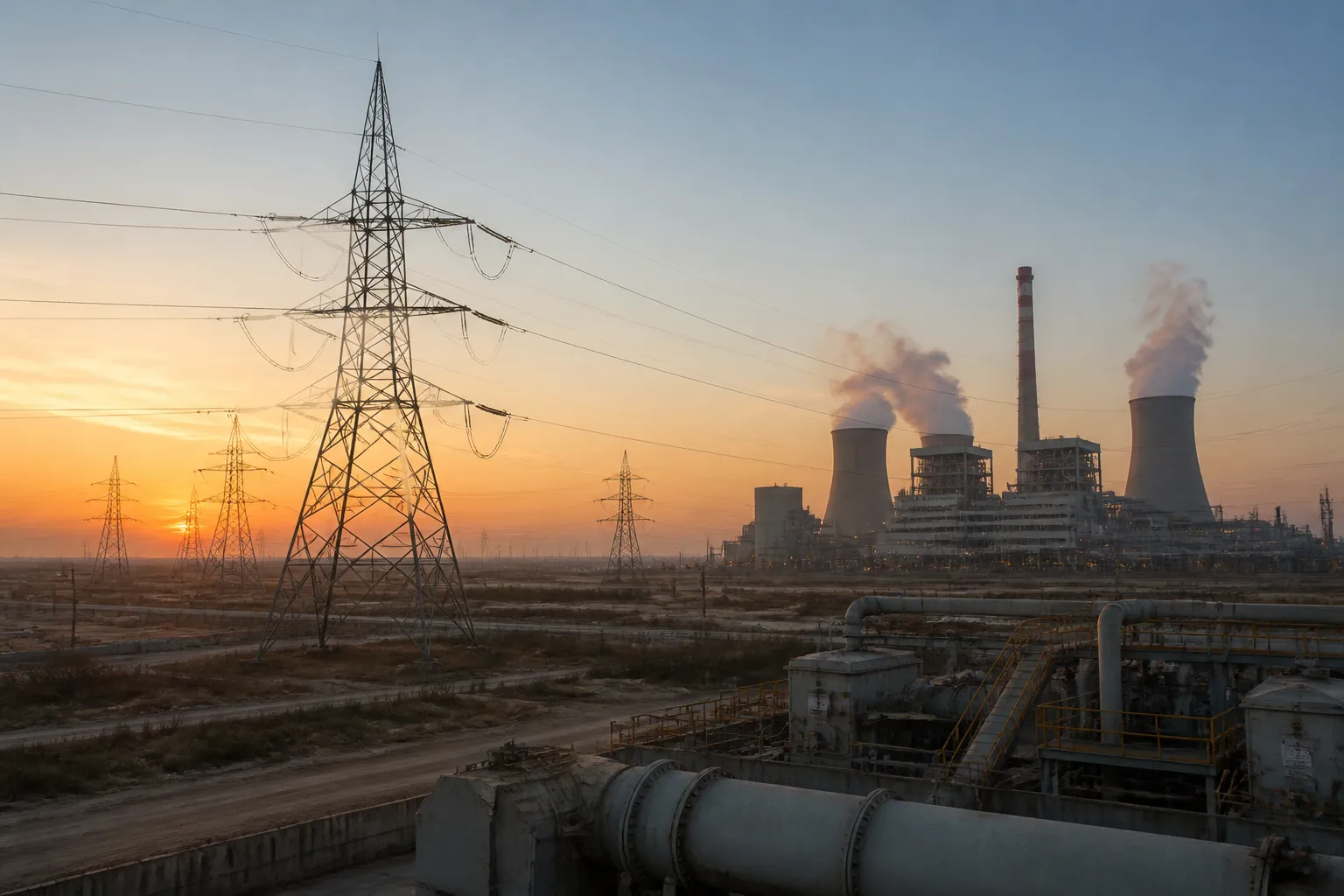
Today, First Pacific owns or controls several near‑monopolistic utilities that serve roughly 80 % of Metro Manila residents: Meralco (electricity), PLDT and Smart (telecom), Maynilad (water) and Metro Pacific Tollways. These assets, together with their regulatory relationships, create a powerful economic engine that runs parallel to the group’s growing media interests.
The media connection began with PLDT’s Beneficial Trust Fund (BTF), a retirement vehicle for about 9,000 employees. PLDT’s management appoints BTF trustees, and the fund has invested heavily in MediaQuest Holdings, a conglomerate that owns Philstar. In 2012, the BTF incorporated BTF Holdings, Inc., which holds 100 % of MediaQuest. Of the six directors of BTF Holdings, four are PLDT or Salim executives; the remaining two are counsel to Pangilinan.
MediaQuest first bought a 20 % stake in Philstar in 2009 and increased its share to 51 % in 2014 by acquiring an additional 31 %. The original owners, the Belmonte family, retained only 20 % after selling their shares to Hastings Holdings—a MediaQuest subsidiary—for 4.4 billion Philippine pesos. The sale was announced by Pangilinan, who said the offer reflected the pre‑transaction price.
BTF Holdings poured 14.5 billion pesos into MediaQuest, a substantial portion of the fund’s 18.4 billion‑peso asset base. This allocation diverges sharply from PLDT’s policy of placing employee retirement assets only in low‑risk instruments such as blue‑chip stocks and government bonds. If Philstar were to cease operations, the retirement savings of PLDT employees could be exposed.
Philstar’s board reflects the Salim‑Pangilinan influence. Of six seats, only two belong to Belmonte heirs; the other four are occupied by Salim‑Pangilinan executives. Chairman Victorico Vargas has senior roles in Salim conglomerate firms; former PLDT director Marife Zamora sits on the board, as do telecom veterans Danny Yu and Leo Posadas.
The newspaper’s editorial line has drawn criticism for its apparent pro‑President Ferdinand Marcos Jr. and anti‑Vice President Sara Duterte stance. Headlines and columns have repeatedly portrayed Duterte as culpable in impeachment proceedings, a narrative that aligns with the interests of Salim’s utility and telecom firms, which face regulatory scrutiny and franchise renewals.
A recent illustration of this dynamic surfaced in 2024, when President Marcos’s remarks on electricity system losses triggered a sharp drop in Meralco’s share price. The episode underscored how government statements can ripple through the conglomerate’s assets and hinted at the political weight carried by its media arm.
Despite the constitutional conflict and potential bias, no court has challenged Salim’s media control. The conglomerate’s size and the presence of a powerful media arm likely deterred legal scrutiny. Meanwhile, Salim’s second son, Andree, runs a separate business in Singapore through QAF Ltd., the parent of Gardenia Philippines, the country’s largest bread brand.
A forthcoming article will examine Meralco’s 1.5 billion‑dollar profit contribution to First Pacific. For now, the situation remains unresolved: no regulatory body has taken action to address the foreign ownership issue, and the political implications of a foreign‑controlled media conglomerate continue to be a point of concern for Philippine democracy.
First Pacific Co., the group’s Philippine arm, was founded in 1998 by Anthoni Salim, the late Suharto crony Soedono Salim’s son. The company’s early attempts to establish a foothold in the country’s economy faltered, but a turning point came when Filipino businessman Manuel V. Pangilinan acquired PLDT during President Joseph Estrada’s administration. The acquisition gave First Pacific a foothold in the telecoms sector, and since 2000 the conglomerate’s revenue has shifted from Indonesia‑based ventures to Philippine‑based holdings.
Today, First Pacific owns or controls several near‑monopolistic utilities that serve roughly 80 % of Metro Manila residents: Meralco (electricity), PLDT and Smart (telecom), Maynilad (water) and Metro Pacific Tollways. These assets, together with their regulatory relationships, create a powerful economic engine that runs parallel to the group’s growing media interests.
The media connection began with PLDT’s Beneficial Trust Fund (BTF), a retirement vehicle for about 9,000 employees. PLDT’s management appoints BTF trustees, and the fund has invested heavily in MediaQuest Holdings, a conglomerate that owns Philstar. In 2012, the BTF incorporated BTF Holdings, Inc., which holds 100 % of MediaQuest. Of the six directors of BTF Holdings, four are PLDT or Salim executives; the remaining two are counsel to Pangilinan.
MediaQuest first bought a 20 % stake in Philstar in 2009 and increased its share to 51 % in 2014 by acquiring an additional 31 %. The original owners, the Belmonte family, retained only 20 % after selling their shares to Hastings Holdings—a MediaQuest subsidiary—for 4.4 billion Philippine pesos. The sale was announced by Pangilinan, who said the offer reflected the pre‑transaction price.
BTF Holdings poured 14.5 billion pesos into MediaQuest, a substantial portion of the fund’s 18.4 billion‑peso asset base. This allocation diverges sharply from PLDT’s policy of placing employee retirement assets only in low‑risk instruments such as blue‑chip stocks and government bonds. If Philstar were to cease operations, the retirement savings of PLDT employees could be exposed.
Philstar’s board reflects the Salim‑Pangilinan influence. Of six seats, only two belong to Belmonte heirs; the other four are occupied by Salim‑Pangilinan executives. Chairman Victorico Vargas has senior roles in Salim conglomerate firms; former PLDT director Marife Zamora sits on the board, as do telecom veterans Danny Yu and Leo Posadas.
The newspaper’s editorial line has drawn criticism for its apparent pro‑President Ferdinand Marcos Jr. and anti‑Vice President Sara Duterte stance. Headlines and columns have repeatedly portrayed Duterte as culpable in impeachment proceedings, a narrative that aligns with the interests of Salim’s utility and telecom firms, which face regulatory scrutiny and franchise renewals.
A recent illustration of this dynamic surfaced in 2024, when President Marcos’s remarks on electricity system losses triggered a sharp drop in Meralco’s share price. The episode underscored how government statements can ripple through the conglomerate’s assets and hinted at the political weight carried by its media arm.
Despite the constitutional conflict and potential bias, no court has challenged Salim’s media control. The conglomerate’s size and the presence of a powerful media arm likely deterred legal scrutiny. Meanwhile, Salim’s second son, Andree, runs a separate business in Singapore through QAF Ltd., the parent of Gardenia Philippines, the country’s largest bread brand.
A forthcoming article will examine Meralco’s 1.5 billion‑dollar profit contribution to First Pacific. For now, the situation remains unresolved: no regulatory body has taken action to address the foreign ownership issue, and the political implications of a foreign‑controlled media conglomerate continue to be a point of concern for Philippine democracy.