Blab Business
Zoox Receives First U.S. Commercial Robotaxi Exemption, Begins Charging Passengers
On Aug. 10, 2026, Amazon‑owned Zoox will finally begin charging riders for its autonomous taxis, a milestone that follows the National Highway Traffic Safety Administration’s (NHTSA) Part 555 exemption.
The approval lifts the company’s earlier demonstration‑only status and allows Zoox to operate a fleet of up to 2,500 purpose‑built robotaxis for two years. The vehicles, which lack a steering wheel, pedals, and a rear‑view mirror, were deemed too different from conventional cars to meet the standard federal motor‑vehicle requirements. NHTSA determined that insisting on those controls would have prevented Zoox from selling the robotaxi, so it granted a temporary exemption on the basis of overall safety performance.
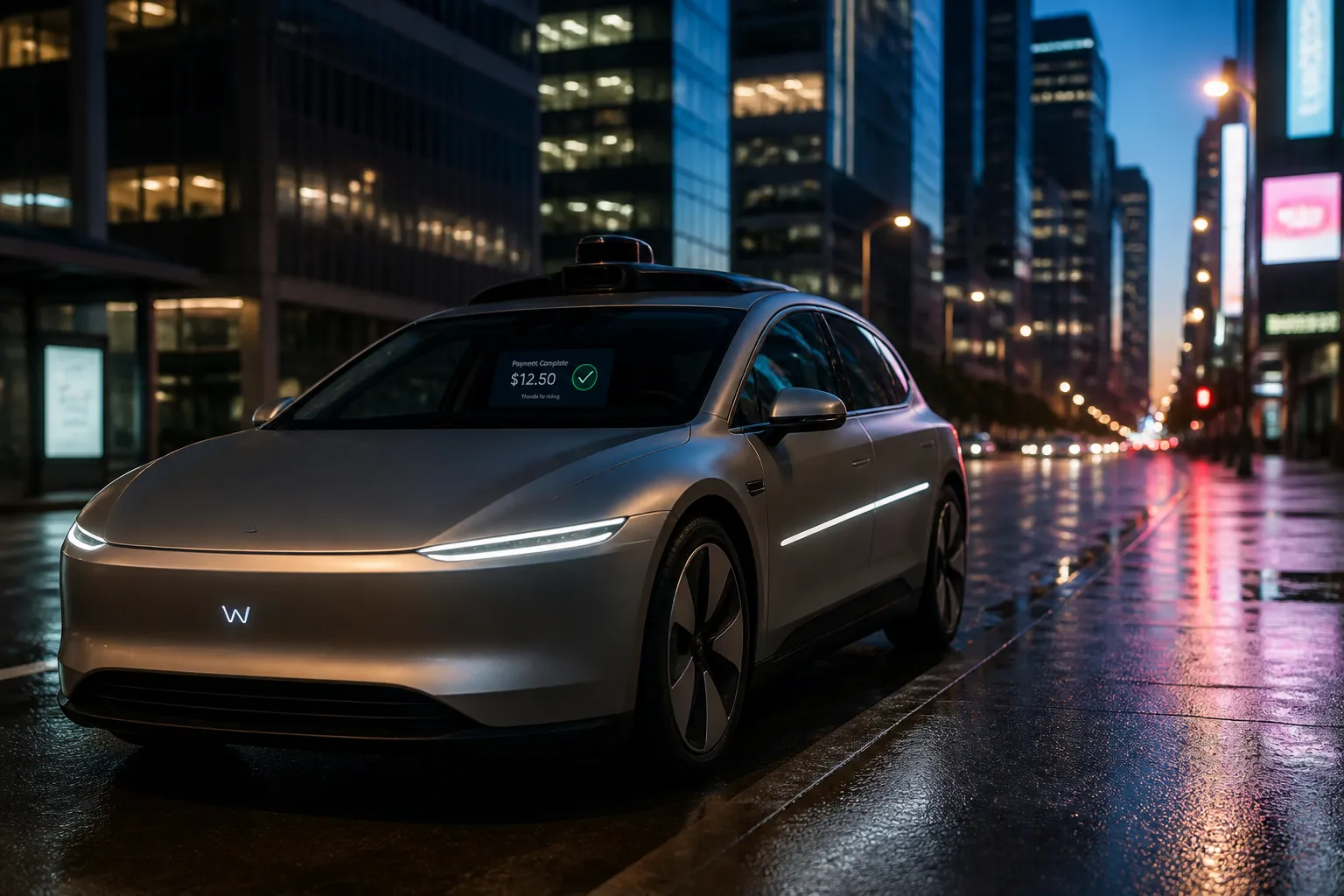
It is the first time a company has received a commercial exemption for a vehicle that does not include a driver’s seat. Zoox has already offered free rides in Las Vegas and San Francisco since September 2025 and has opened early‑rider programs in Miami and Austin. With the new status, the company can now start charging fares in Las Vegas, making the city the first to see paid robotaxi rides.
The decision sets a precedent for other autonomous‑vehicle developers. Because the exemption focuses on safety outcomes rather than specific controls, firms building driverless cars without traditional driver interfaces may be able to secure similar waivers. Tesla, for example, has been developing its Cybercab—a two‑passenger, battery‑electric vehicle that also lacks a steering wheel and pedals—and has cited the Zoox ruling as a potential pathway for its own robotaxi service.
In related news, Uber announced a $10 billion commitment to autonomous vehicles, matching a figure disclosed by CEO Dara Khosrowshahi during its recent earnings call. Uber plans to deploy 120,000 driverless vehicles over the coming years, according to the company’s statements.
Moove, an African fintech that originally financed app drivers, has shifted into fleet ownership. The company now operates a fleet of 42,000 vehicles across 13 countries, as reported in its public disclosures.
The NHTSA’s decision arrives amid a broader push to accelerate autonomous‑vehicle testing and deployment. The agency has been working on a new set of performance standards for automated vehicles and has streamlined testing exemptions to encourage commercial pilots.
Zoox’s commercial launch will be closely monitored by regulators and industry observers. The fleet will be capped at 2,500 vehicles for the two‑year exemption period, after which the company will need to seek additional approvals or renew the waiver.
This move marks a milestone for the U.S. autonomous‑vehicle market, demonstrating that federal regulators are willing to adapt safety standards to accommodate innovative vehicle designs. It also underscores the growing interest from major automakers and ride‑hailing firms in building their own robotaxi fleets.
As of now, Zoox has not announced a pricing structure for its rides, nor has it disclosed how it will manage the transition from free to paid service. Uber’s $10 billion investment is expected to be deployed across its autonomous‑vehicle portfolio, including equity stakes in other manufacturers, but the company has not yet detailed a timeline for the rollout of its own robotaxi service.
The regulatory and commercial developments in 2026 suggest that autonomous‑vehicle operators will continue to seek tailored exemptions and that the industry will move from pilot programs toward broader commercial deployment. The next few months will reveal how Zoox’s pricing, service coverage, and operational performance influence the broader market.
In summary, Zoox’s Part 555 exemption allows it to begin charging passengers for robotaxi rides in Las Vegas starting Aug. 10, 2026. The decision paves the way for other companies, including Tesla, to pursue similar commercial operations. Uber’s announced $10 billion investment and Moove’s expanding fleet highlight the increasing capital commitment to autonomous mobility.
The industry will watch how Zoox’s commercial launch unfolds, how Uber deploys its driverless vehicles, and whether other firms secure comparable regulatory approvals in the coming months.
The approval lifts the company’s earlier demonstration‑only status and allows Zoox to operate a fleet of up to 2,500 purpose‑built robotaxis for two years. The vehicles, which lack a steering wheel, pedals, and a rear‑view mirror, were deemed too different from conventional cars to meet the standard federal motor‑vehicle requirements. NHTSA determined that insisting on those controls would have prevented Zoox from selling the robotaxi, so it granted a temporary exemption on the basis of overall safety performance.
It is the first time a company has received a commercial exemption for a vehicle that does not include a driver’s seat. Zoox has already offered free rides in Las Vegas and San Francisco since September 2025 and has opened early‑rider programs in Miami and Austin. With the new status, the company can now start charging fares in Las Vegas, making the city the first to see paid robotaxi rides.
The decision sets a precedent for other autonomous‑vehicle developers. Because the exemption focuses on safety outcomes rather than specific controls, firms building driverless cars without traditional driver interfaces may be able to secure similar waivers. Tesla, for example, has been developing its Cybercab—a two‑passenger, battery‑electric vehicle that also lacks a steering wheel and pedals—and has cited the Zoox ruling as a potential pathway for its own robotaxi service.
In related news, Uber announced a $10 billion commitment to autonomous vehicles, matching a figure disclosed by CEO Dara Khosrowshahi during its recent earnings call. Uber plans to deploy 120,000 driverless vehicles over the coming years, according to the company’s statements.
Moove, an African fintech that originally financed app drivers, has shifted into fleet ownership. The company now operates a fleet of 42,000 vehicles across 13 countries, as reported in its public disclosures.
The NHTSA’s decision arrives amid a broader push to accelerate autonomous‑vehicle testing and deployment. The agency has been working on a new set of performance standards for automated vehicles and has streamlined testing exemptions to encourage commercial pilots.
Zoox’s commercial launch will be closely monitored by regulators and industry observers. The fleet will be capped at 2,500 vehicles for the two‑year exemption period, after which the company will need to seek additional approvals or renew the waiver.
This move marks a milestone for the U.S. autonomous‑vehicle market, demonstrating that federal regulators are willing to adapt safety standards to accommodate innovative vehicle designs. It also underscores the growing interest from major automakers and ride‑hailing firms in building their own robotaxi fleets.
As of now, Zoox has not announced a pricing structure for its rides, nor has it disclosed how it will manage the transition from free to paid service. Uber’s $10 billion investment is expected to be deployed across its autonomous‑vehicle portfolio, including equity stakes in other manufacturers, but the company has not yet detailed a timeline for the rollout of its own robotaxi service.
The regulatory and commercial developments in 2026 suggest that autonomous‑vehicle operators will continue to seek tailored exemptions and that the industry will move from pilot programs toward broader commercial deployment. The next few months will reveal how Zoox’s pricing, service coverage, and operational performance influence the broader market.
In summary, Zoox’s Part 555 exemption allows it to begin charging passengers for robotaxi rides in Las Vegas starting Aug. 10, 2026. The decision paves the way for other companies, including Tesla, to pursue similar commercial operations. Uber’s announced $10 billion investment and Moove’s expanding fleet highlight the increasing capital commitment to autonomous mobility.
The industry will watch how Zoox’s commercial launch unfolds, how Uber deploys its driverless vehicles, and whether other firms secure comparable regulatory approvals in the coming months.