Blab Business
Apples iPhone 18 Pro Faces 38% BOM Cost Surge as Memory Prices Skyrocket
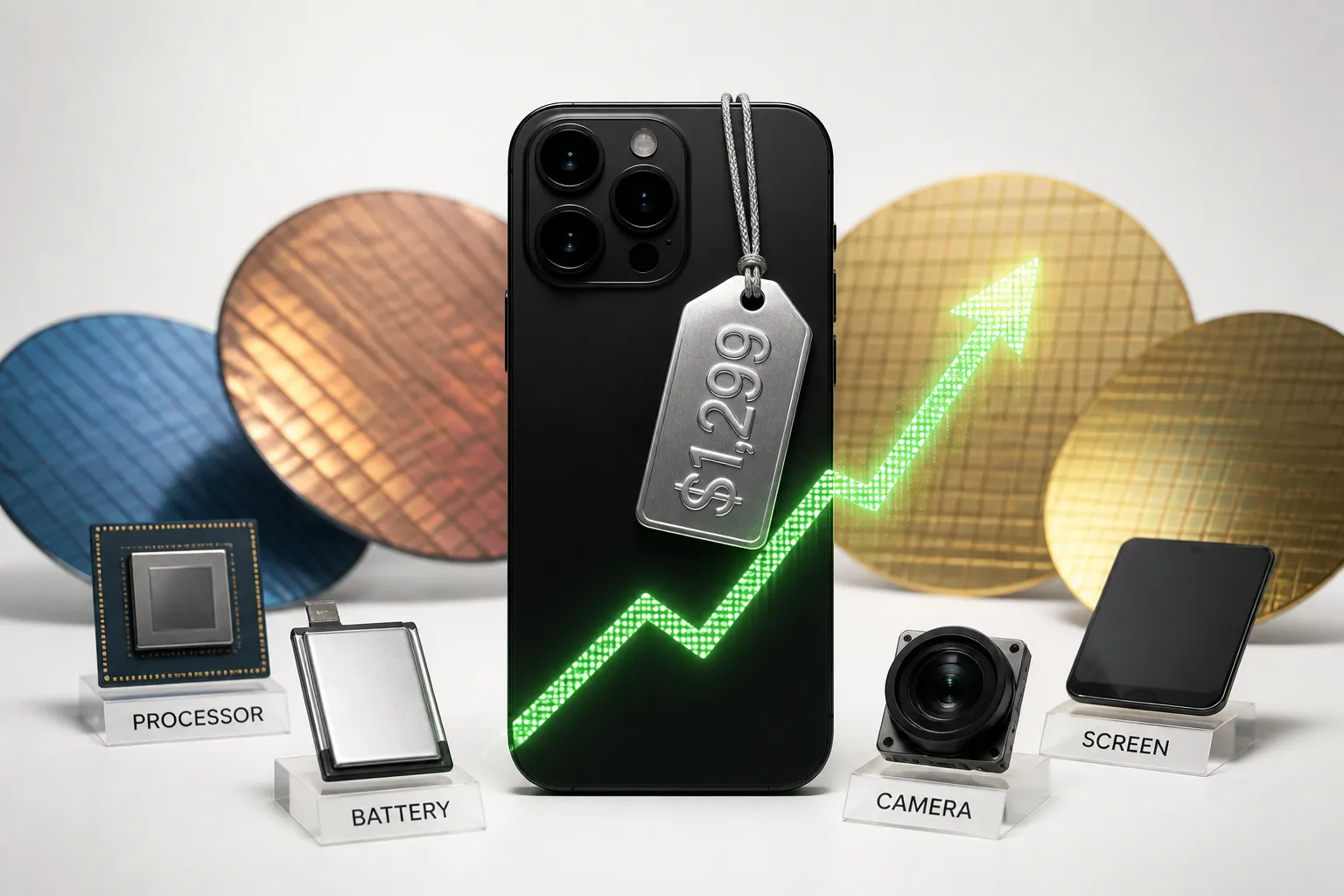
Apple Inc. announced that the bill‑of‑materials (BOM) for its next‑generation iPhone 18 Pro will be roughly 38 % more expensive than the iPhone 17 Pro, a jump driven almost entirely by soaring memory prices.
TrendForce’s August 10 report shows the memory portion of the iPhone Pro’s BOM rising from about 10 % a year ago to 34 % in Q3 2026, and the company projects that memory will account for more than 40 % of the 18 Pro’s BOM by the first half of 2027. Since the start of 2025, memory costs have surged five to seven times, and for the 256‑GB variant Apple estimates a 38 % year‑over‑year increase in BOM cost.
Apple’s chief executive, Tim Cook, described the situation as a “100‑year flood” of memory price increases. In its most recent quarterly report, Apple recorded $54.25 billion in iPhone revenue as part of $109.42 billion in total revenue. Cook warned that memory costs would continue to weigh on the company beyond the June quarter, and Apple is preparing to tighten its guidance for the quarter’s gross margin to 47.5 %–48.5 % to offset the higher component costs. The firm has already raised iPhone prices by up to $300 in response to the memory squeeze, and analysts note that Apple may trim gross margins to keep consumer demand from weakening.
The broader memory market is reflecting the same pressure. Micron Technology reported fiscal Q3 revenue of $41.456 billion, a 345.7 % year‑over‑year jump, and a GAAP gross margin of 84.6 %. CFO Mark Murphy said DRAM prices rose in the mid‑sixties‑percent range and NAND prices in the high‑seventies‑percent range during Q2, while CEO Sanjay Mehrotra warned that Micron is only meeting 50 % to two‑thirds of key customer demand. Shares of Micron have climbed 201.86 % year‑to‑date. South Korean supplier SK Hynix has posted similar gains, underscoring the narrative that memory suppliers are reaping benefits from current supply‑chain constraints. Qualcomm, a major chipset supplier, reported a 20 % decline in handset revenue, a drop attributed to the memory crisis that has compressed smartphone volumes.
Wall Street reaction has been mixed. Jefferies downgraded Apple to Underperform with a target price of $263.66, citing rising memory costs and the cancellation of an all‑glass iPhone design that could have helped raise average selling prices. Apple shares trade at $306.32, up 13.7 % year‑to‑date. IDC forecasts a 13.9 % decline in global smartphone shipments for 2026, the steepest drop on record, largely due to memory shortages and rising component costs. Apple’s next major iPad refresh is not expected until late 2026, leaving pricing decisions for that line pending, while its Mac and iPad lines have also felt pressure from memory costs, prompting price increases in other product categories.
In short, Apple’s iPhone 18 Pro will face a significant BOM cost increase driven by memory price inflation. The company has responded with higher retail prices and may adjust gross margins to preserve demand. Memory suppliers such as Micron and SK Hynix are benefiting from the surge in prices, while chipset supplier Qualcomm reports declining handset revenue. The broader smartphone market is expected to contract in 2026, with supply‑chain constraints continuing to shape pricing and profitability.
The next key events include Apple’s upcoming product launch in September 2026, the release of its Q3 earnings report, and potential regulatory scrutiny over supply‑chain practices. Investors will also watch how Apple’s margin strategy plays out in the next quarter.
TrendForce’s August 10 report shows the memory portion of the iPhone Pro’s BOM rising from about 10 % a year ago to 34 % in Q3 2026, and the company projects that memory will account for more than 40 % of the 18 Pro’s BOM by the first half of 2027. Since the start of 2025, memory costs have surged five to seven times, and for the 256‑GB variant Apple estimates a 38 % year‑over‑year increase in BOM cost.
Apple’s chief executive, Tim Cook, described the situation as a “100‑year flood” of memory price increases. In its most recent quarterly report, Apple recorded $54.25 billion in iPhone revenue as part of $109.42 billion in total revenue. Cook warned that memory costs would continue to weigh on the company beyond the June quarter, and Apple is preparing to tighten its guidance for the quarter’s gross margin to 47.5 %–48.5 % to offset the higher component costs. The firm has already raised iPhone prices by up to $300 in response to the memory squeeze, and analysts note that Apple may trim gross margins to keep consumer demand from weakening.
The broader memory market is reflecting the same pressure. Micron Technology reported fiscal Q3 revenue of $41.456 billion, a 345.7 % year‑over‑year jump, and a GAAP gross margin of 84.6 %. CFO Mark Murphy said DRAM prices rose in the mid‑sixties‑percent range and NAND prices in the high‑seventies‑percent range during Q2, while CEO Sanjay Mehrotra warned that Micron is only meeting 50 % to two‑thirds of key customer demand. Shares of Micron have climbed 201.86 % year‑to‑date. South Korean supplier SK Hynix has posted similar gains, underscoring the narrative that memory suppliers are reaping benefits from current supply‑chain constraints. Qualcomm, a major chipset supplier, reported a 20 % decline in handset revenue, a drop attributed to the memory crisis that has compressed smartphone volumes.
Wall Street reaction has been mixed. Jefferies downgraded Apple to Underperform with a target price of $263.66, citing rising memory costs and the cancellation of an all‑glass iPhone design that could have helped raise average selling prices. Apple shares trade at $306.32, up 13.7 % year‑to‑date. IDC forecasts a 13.9 % decline in global smartphone shipments for 2026, the steepest drop on record, largely due to memory shortages and rising component costs. Apple’s next major iPad refresh is not expected until late 2026, leaving pricing decisions for that line pending, while its Mac and iPad lines have also felt pressure from memory costs, prompting price increases in other product categories.
In short, Apple’s iPhone 18 Pro will face a significant BOM cost increase driven by memory price inflation. The company has responded with higher retail prices and may adjust gross margins to preserve demand. Memory suppliers such as Micron and SK Hynix are benefiting from the surge in prices, while chipset supplier Qualcomm reports declining handset revenue. The broader smartphone market is expected to contract in 2026, with supply‑chain constraints continuing to shape pricing and profitability.
The next key events include Apple’s upcoming product launch in September 2026, the release of its Q3 earnings report, and potential regulatory scrutiny over supply‑chain practices. Investors will also watch how Apple’s margin strategy plays out in the next quarter.