Blab Business
Central Bill to Ban State Mineral Taxes Aims to Lighten Mining Burden
On Monday, Parliament tabled a Bill that would amend the Mines and Minerals (Development and Regulation) Act, 1957 by inserting a new section 9D. The amendment bars state governments from levying any tax, cess or other charge on mined minerals, except those prescribed by the Central Government. If passed, the law would strip a key revenue stream from many mineral‑rich states.
The proposal is rooted in a long history of disputes over who may tax minerals. Prior to 1990, several states imposed a cess tied to the royalty paid to the Centre. In 1989 the Supreme Court ruled that royalty was a tax and that states had no power to tax minerals, a decision that prompted the Centre to raise royalty rates in 1992 to compensate states. In 2004 the Court reversed its earlier stance, declaring royalty not to be a tax and allowing states to impose taxes.
The divergent rulings were finally clarified in July 2024 when the Supreme Court held that royalty is not a tax and that states may tax minerals. The ruling opened a new revenue stream for cash‑strapped states, many of which enacted laws to tax minerals in the years that followed.
Jharkhand introduced the Mineral Bearing Land Cess Act in 2024, levying ₹400 per tonne on iron ore, ₹250 on coal and ₹40 on limestone. Tamil Nadu followed in 2025, imposing ₹160 per tonne on limestone and ₹250 on lignite, among other levies. Karnataka drafted a Bill in 2024 that is awaiting the governor’s assent, while Andhra Pradesh, Madhya Pradesh and Chhattisgarh continue to charge under their earlier statutes.
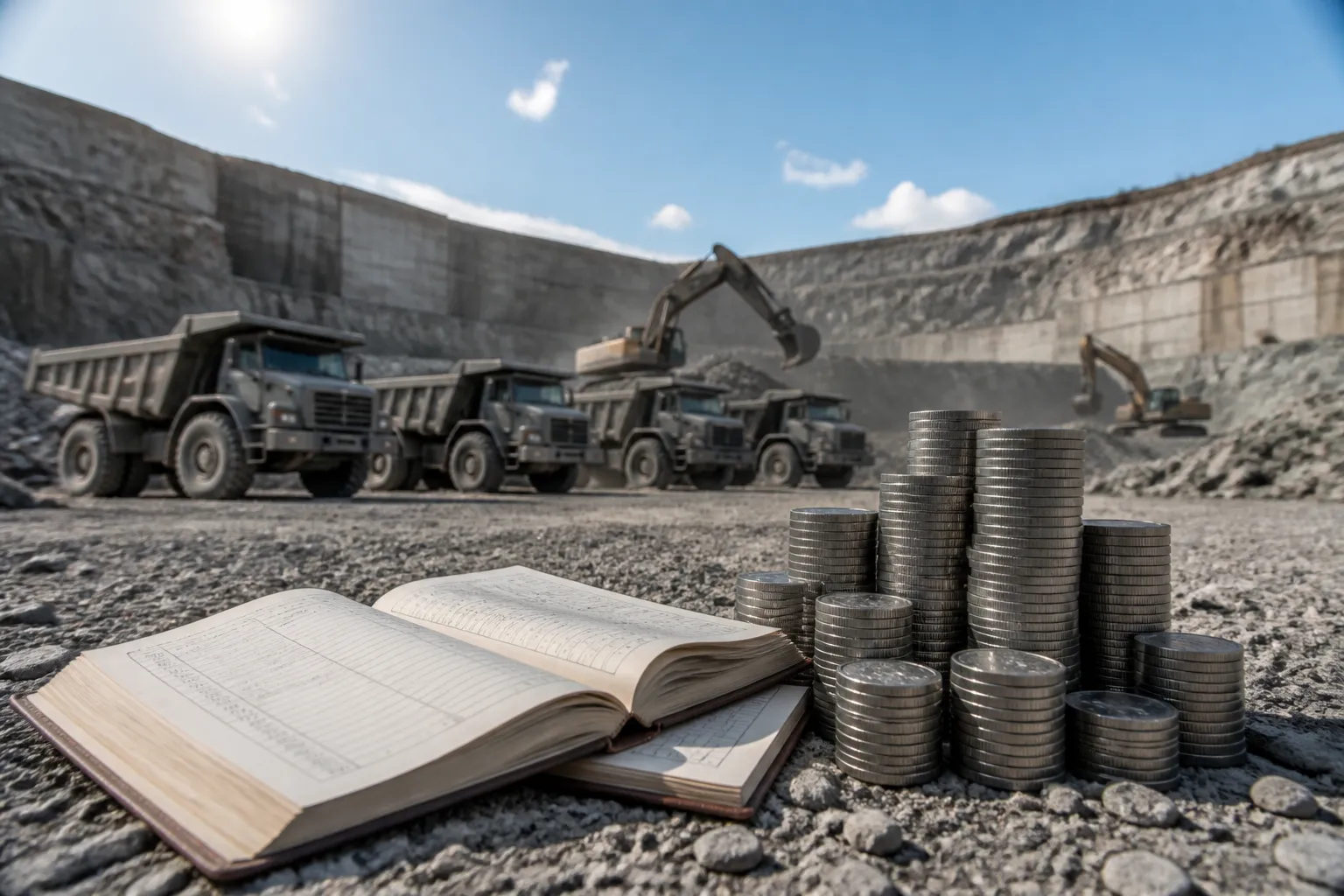
The new central law would effectively strip these states of the ability to collect such levies. The government argues that the heavy fiscal burden on mining operations—where royalties and state taxes can account for almost 50 % of a mineral’s value—risks slowing extraction, reducing output of metals and other essential commodities, and ultimately dampening economic growth.
Proponents say the amendment will make mining projects more commercially attractive and could spur investment in the sector. Opponents, however, warn that states will lose a substantial portion of their revenue, which has been used to fund local infrastructure and social programmes.
The Bill’s passage would therefore represent a significant shift in the fiscal relationship between the Centre and the states. It would also alter the regulatory landscape for mining companies, which currently face a mix of central royalties and state levies.
The central government has framed the amendment as a relief measure for the mining sector, but its impact on state finances remains a key point of contention. The Bill is currently under consideration in Parliament, and its eventual enactment will require assent from the President.
The debate is likely to intensify as states weigh the loss of revenue against the potential for increased mining activity. The outcome will have implications for the broader Indian economy, particularly for regions where mining is a major source of employment and income.
As the Bill moves through the legislative process, stakeholders—including mining companies, state governments and industry associations—will be closely monitoring its progress and the potential adjustments to state revenue models.
The central government’s proposal reflects a broader trend of attempting to streamline mining regulations and reduce bureaucratic hurdles. Whether the amendment will ultimately achieve its intended effect of boosting mining activity while maintaining state fiscal health remains to be seen.
The next few weeks will be critical as Parliament debates the Bill, and the final decision will shape the fiscal and regulatory environment for India’s mining sector for years to come.
The proposal is rooted in a long history of disputes over who may tax minerals. Prior to 1990, several states imposed a cess tied to the royalty paid to the Centre. In 1989 the Supreme Court ruled that royalty was a tax and that states had no power to tax minerals, a decision that prompted the Centre to raise royalty rates in 1992 to compensate states. In 2004 the Court reversed its earlier stance, declaring royalty not to be a tax and allowing states to impose taxes.
The divergent rulings were finally clarified in July 2024 when the Supreme Court held that royalty is not a tax and that states may tax minerals. The ruling opened a new revenue stream for cash‑strapped states, many of which enacted laws to tax minerals in the years that followed.
Jharkhand introduced the Mineral Bearing Land Cess Act in 2024, levying ₹400 per tonne on iron ore, ₹250 on coal and ₹40 on limestone. Tamil Nadu followed in 2025, imposing ₹160 per tonne on limestone and ₹250 on lignite, among other levies. Karnataka drafted a Bill in 2024 that is awaiting the governor’s assent, while Andhra Pradesh, Madhya Pradesh and Chhattisgarh continue to charge under their earlier statutes.
The new central law would effectively strip these states of the ability to collect such levies. The government argues that the heavy fiscal burden on mining operations—where royalties and state taxes can account for almost 50 % of a mineral’s value—risks slowing extraction, reducing output of metals and other essential commodities, and ultimately dampening economic growth.
Proponents say the amendment will make mining projects more commercially attractive and could spur investment in the sector. Opponents, however, warn that states will lose a substantial portion of their revenue, which has been used to fund local infrastructure and social programmes.
The Bill’s passage would therefore represent a significant shift in the fiscal relationship between the Centre and the states. It would also alter the regulatory landscape for mining companies, which currently face a mix of central royalties and state levies.
The central government has framed the amendment as a relief measure for the mining sector, but its impact on state finances remains a key point of contention. The Bill is currently under consideration in Parliament, and its eventual enactment will require assent from the President.
The debate is likely to intensify as states weigh the loss of revenue against the potential for increased mining activity. The outcome will have implications for the broader Indian economy, particularly for regions where mining is a major source of employment and income.
As the Bill moves through the legislative process, stakeholders—including mining companies, state governments and industry associations—will be closely monitoring its progress and the potential adjustments to state revenue models.
The central government’s proposal reflects a broader trend of attempting to streamline mining regulations and reduce bureaucratic hurdles. Whether the amendment will ultimately achieve its intended effect of boosting mining activity while maintaining state fiscal health remains to be seen.
The next few weeks will be critical as Parliament debates the Bill, and the final decision will shape the fiscal and regulatory environment for India’s mining sector for years to come.