Blab Business
Karnataka Seals Zepto Warehouse in Hoskote Over Food-Safety Violations
On 11 August, the Karnataka Food Safety and Drug Administration Department sealed a Zepto warehouse in Hoskote taluk of Bengaluru Rural district. The facility, operated by Nippon Express India Pvt. Ltd. in partnership with Zepto, was found to have multiple violations related to food handling, storage, labelling and hygiene.
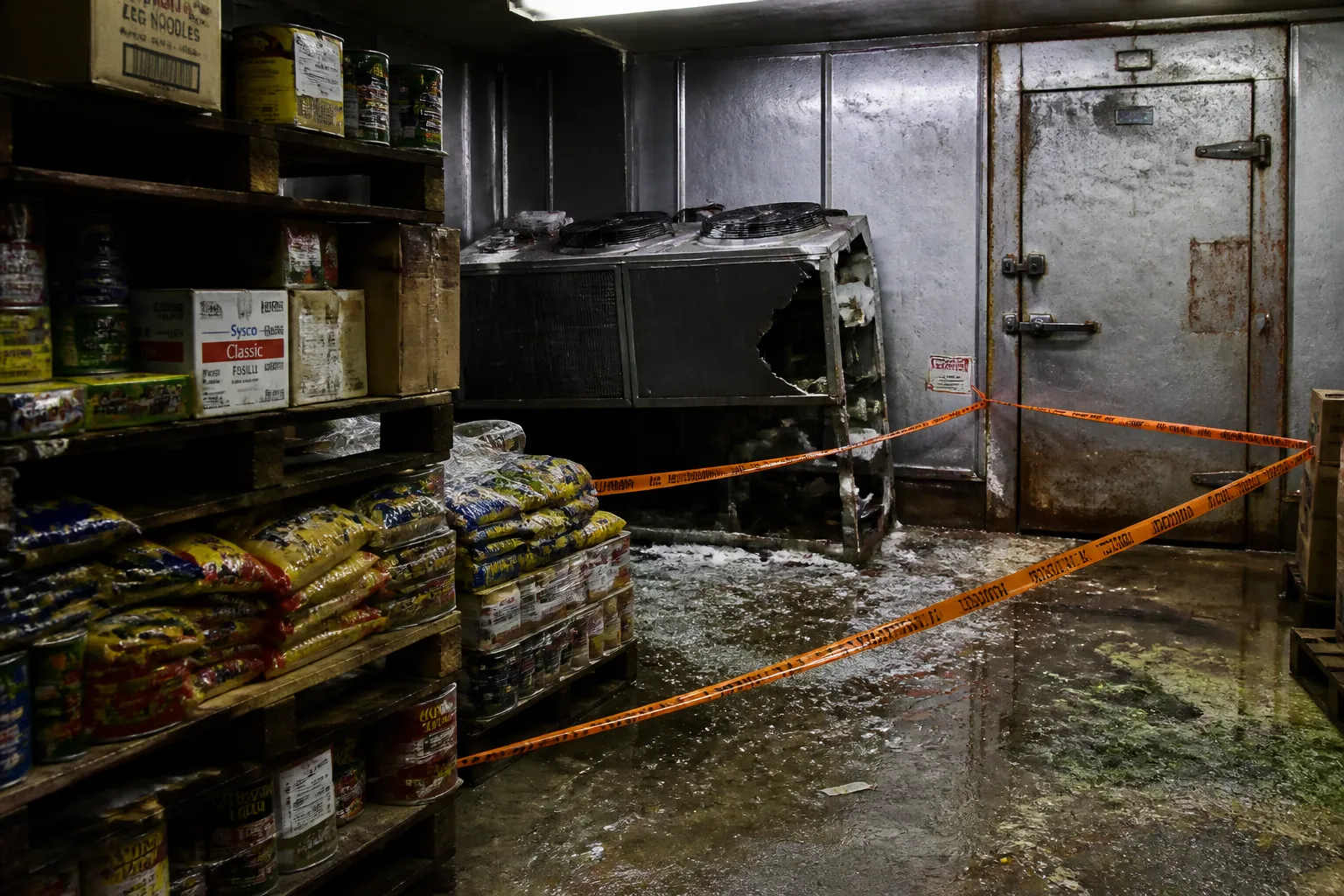
The inspection, part of a broader food‑safety drive that has expanded from hotels and restaurants to warehouses and quick‑commerce dark stores, revealed non‑compliant labelling, alleged mis‑branding and unhygienic conditions. Visual evidence showed food packets and other products lying on the floor, garbage and discarded material on the floor, and food stored directly on the floor without pallets. The department issued a notice to the management and recommended that a case be placed before the appropriate adjudicating officer.
Zepto said it cooperated with authorities during the inspection and was taking corrective steps. The company reiterated that food safety and hygiene remain priorities. The action is limited to the inspected premises and does not shut down Zepto’s wider operations.
The Hoskote incident follows a series of regulatory actions against quick‑commerce dark stores. In July, a Zepto facility in Narsingi, Hyderabad, was inspected and operators were directed to temporarily stop accepting orders while cleaning and corrective measures were undertaken. Inspectors reported dirty racks, food bags stored on the floor, food waste on racks and floors, inadequate segregation of food and non‑food items, and an improperly positioned pest‑control device. The FSSAI licence was also not prominently displayed.
Earlier in June 2025, Maharashtra’s Food and Drug Administration suspended the food‑business licence of Kiranakart Technologies Pvt. Ltd., Zepto’s parent company, for its Dharavi facility after inspectors reported fungal growth on food products, items stored near stagnant or clogged water, cold‑storage temperature issues, disorganised storage and expired products that were not properly segregated. The licence was suspended until the facility achieved compliance.
The regulatory attention has also extended to competitors. On 7 August, Maharashtra’s FDA suspended the food licence of a Blink Commerce facility in Malad West, Mumbai, after an inspection reported severe hygiene concerns, including cockroach infestation, improper storage, inadequate cleanliness in cold storage, expired or tampered packaged products and shortcomings in stock rotation and pest control.
These inspections are part of a larger enforcement campaign in Bengaluru. Karnataka officials have recently inspected hotels, restaurants and other establishments across the city, finding expired food, fungal growth, poor kitchen hygiene, storage violations and labelling concerns. The inspections also included Indira Canteen kitchens and food‑storage facilities.
The Food Safety and Standards Authority of India (FSSAI) treats storage and distribution as part of the food‑safety chain. Its hygiene requirements include specific standards for licensed food businesses involved in manufacturing, processing, packaging, storage and distribution. In June 2026, FSSAI amended its Schedule 4 provision to require storage of raw materials, ingredients, work‑in‑progress and processed, cooked or packaged food products to follow First‑In, First‑Out (FIFO) and First‑Expire, First‑Out (FEFO) principles, explicitly excluding retailers from that requirement.
For warehouses supplying food to consumers, these rules matter because the final delivery may take only minutes, but food can remain within the supply chain for considerably longer. Poor sanitation, inadequate pest control, incorrect storage or weak stock management can compromise food safety before an item ever reaches a customer’s doorstep.
Experts say quick‑commerce companies need to treat warehouses and dark stores as critical points in the food‑safety chain, rather than merely as logistics hubs. They emphasise regular sanitation, effective pest‑control measures, proper segregation of food and non‑food items, adequate temperature control for perishable products, and strict stock‑rotation practices such as FIFO and FEFO.
The Hoskote inspection underscores the need for stronger and more transparent oversight of India’s rapidly expanding quick‑commerce infrastructure. While the sealed facility does not indicate systemic problems across all Zepto warehouses, it highlights the importance of maintaining high standards in storage and distribution to protect consumer health.
The Karnataka Food Safety Department has not yet announced a timeline for reopening the Hoskote warehouse. Zepto’s next earnings report, scheduled for the end of September, will likely include a discussion of regulatory compliance and operational adjustments. The company’s compliance status will remain a point of focus for investors and regulators alike.
In summary, the sealing of the Zepto warehouse in Hoskote reflects a broader trend of intensified food‑safety enforcement in India’s quick‑commerce sector. The incident, along with similar actions in Hyderabad, Mumbai and other cities, signals that regulators are extending their scrutiny beyond retail outlets to the dark‑store and warehouse segments that underpin rapid grocery delivery.
The inspection, part of a broader food‑safety drive that has expanded from hotels and restaurants to warehouses and quick‑commerce dark stores, revealed non‑compliant labelling, alleged mis‑branding and unhygienic conditions. Visual evidence showed food packets and other products lying on the floor, garbage and discarded material on the floor, and food stored directly on the floor without pallets. The department issued a notice to the management and recommended that a case be placed before the appropriate adjudicating officer.
Zepto said it cooperated with authorities during the inspection and was taking corrective steps. The company reiterated that food safety and hygiene remain priorities. The action is limited to the inspected premises and does not shut down Zepto’s wider operations.
The Hoskote incident follows a series of regulatory actions against quick‑commerce dark stores. In July, a Zepto facility in Narsingi, Hyderabad, was inspected and operators were directed to temporarily stop accepting orders while cleaning and corrective measures were undertaken. Inspectors reported dirty racks, food bags stored on the floor, food waste on racks and floors, inadequate segregation of food and non‑food items, and an improperly positioned pest‑control device. The FSSAI licence was also not prominently displayed.
Earlier in June 2025, Maharashtra’s Food and Drug Administration suspended the food‑business licence of Kiranakart Technologies Pvt. Ltd., Zepto’s parent company, for its Dharavi facility after inspectors reported fungal growth on food products, items stored near stagnant or clogged water, cold‑storage temperature issues, disorganised storage and expired products that were not properly segregated. The licence was suspended until the facility achieved compliance.
The regulatory attention has also extended to competitors. On 7 August, Maharashtra’s FDA suspended the food licence of a Blink Commerce facility in Malad West, Mumbai, after an inspection reported severe hygiene concerns, including cockroach infestation, improper storage, inadequate cleanliness in cold storage, expired or tampered packaged products and shortcomings in stock rotation and pest control.
These inspections are part of a larger enforcement campaign in Bengaluru. Karnataka officials have recently inspected hotels, restaurants and other establishments across the city, finding expired food, fungal growth, poor kitchen hygiene, storage violations and labelling concerns. The inspections also included Indira Canteen kitchens and food‑storage facilities.
The Food Safety and Standards Authority of India (FSSAI) treats storage and distribution as part of the food‑safety chain. Its hygiene requirements include specific standards for licensed food businesses involved in manufacturing, processing, packaging, storage and distribution. In June 2026, FSSAI amended its Schedule 4 provision to require storage of raw materials, ingredients, work‑in‑progress and processed, cooked or packaged food products to follow First‑In, First‑Out (FIFO) and First‑Expire, First‑Out (FEFO) principles, explicitly excluding retailers from that requirement.
For warehouses supplying food to consumers, these rules matter because the final delivery may take only minutes, but food can remain within the supply chain for considerably longer. Poor sanitation, inadequate pest control, incorrect storage or weak stock management can compromise food safety before an item ever reaches a customer’s doorstep.
Experts say quick‑commerce companies need to treat warehouses and dark stores as critical points in the food‑safety chain, rather than merely as logistics hubs. They emphasise regular sanitation, effective pest‑control measures, proper segregation of food and non‑food items, adequate temperature control for perishable products, and strict stock‑rotation practices such as FIFO and FEFO.
The Hoskote inspection underscores the need for stronger and more transparent oversight of India’s rapidly expanding quick‑commerce infrastructure. While the sealed facility does not indicate systemic problems across all Zepto warehouses, it highlights the importance of maintaining high standards in storage and distribution to protect consumer health.
The Karnataka Food Safety Department has not yet announced a timeline for reopening the Hoskote warehouse. Zepto’s next earnings report, scheduled for the end of September, will likely include a discussion of regulatory compliance and operational adjustments. The company’s compliance status will remain a point of focus for investors and regulators alike.
In summary, the sealing of the Zepto warehouse in Hoskote reflects a broader trend of intensified food‑safety enforcement in India’s quick‑commerce sector. The incident, along with similar actions in Hyderabad, Mumbai and other cities, signals that regulators are extending their scrutiny beyond retail outlets to the dark‑store and warehouse segments that underpin rapid grocery delivery.