Blab Business
Natarajan Chandrasekaran Resigns as Tata Sons Chairman Ahead of August AGM
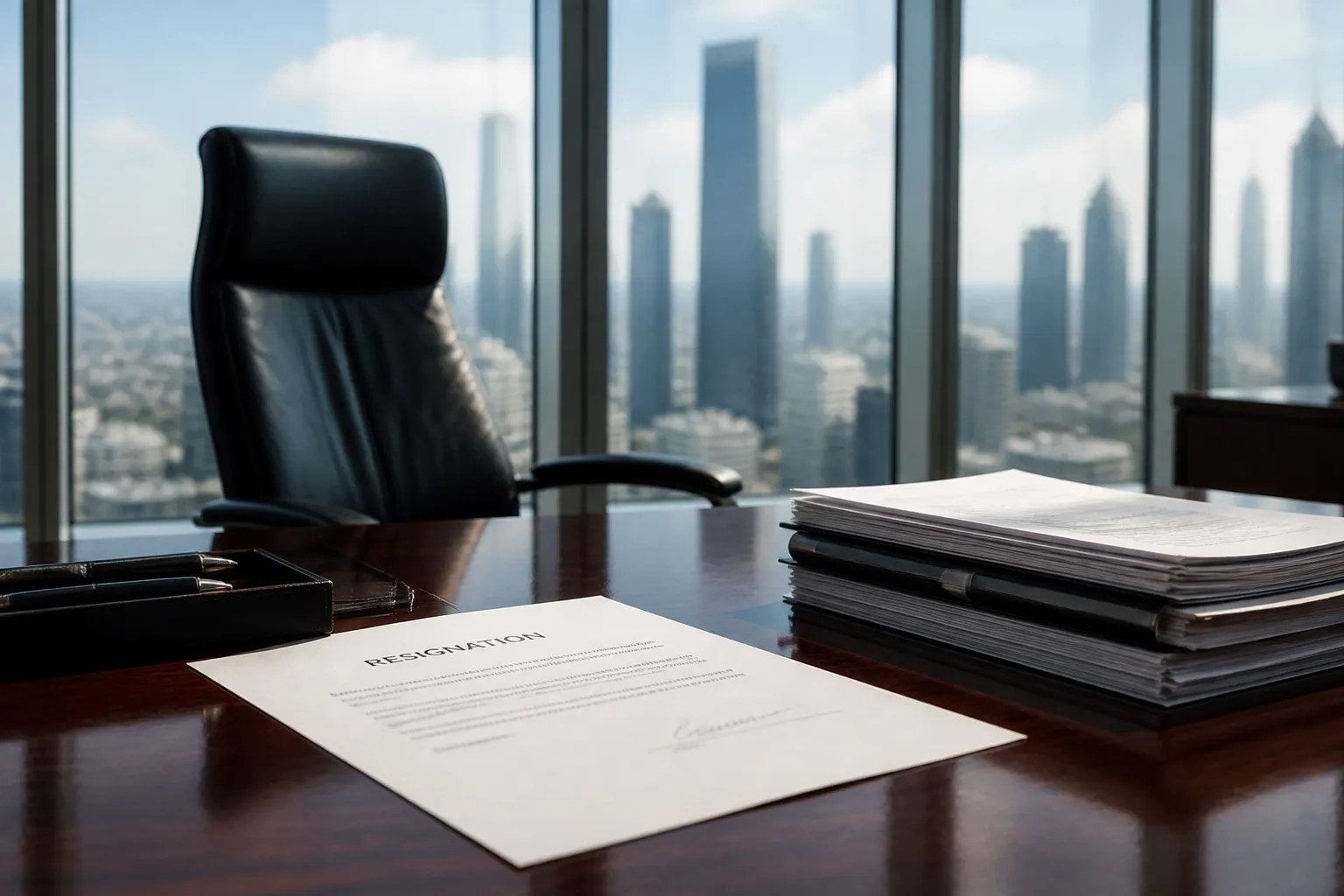
On 12 August, Tata Group’s long‑time chief, Natarajan Chandrasekaran, announced his resignation as chairman of Tata Sons, just days before the company’s annual general meeting (AGM) on 18 August. The move follows a series of disagreements between Chandrasekaran and the Tata Trusts over the group’s business performance and capital‑raising needs.
Chandrasekaran, who joined the Tata Group in 1987 and became chief executive officer of Tata Consultancy Services (TCS) in 2009, has steered the conglomerate through a period of notable expansion. Under his stewardship, Tata Group’s aggregate revenue rose to ₹16.24 trillion in FY26, while profit after tax climbed 51.9 percent to ₹1.70 trillion, according to the group’s annual report.
In a letter to Tata Sons board members, Chandrasekaran stated that he would not seek re‑appointment at the end of his current term, which runs until February 2027. The AGM will therefore include a vote on whether to re‑appoint him as a director, a decision that could reshape the board’s composition.
The dispute that prompted the resignation centers on the relationship between Tata Sons and the Tata Trusts, which collectively hold about 66 percent of Tata Sons’ equity. The Trusts have long guarded the Tata family’s philanthropic and corporate legacy. Recent tensions involved the nomination of former Defence Secretary Vijay Singh as a director on the Tata Sons board—a move the Trusts contested—raising questions about governance and succession planning within the group.
Tata Sons has outlined plans to invest heavily in new ventures, including technology, renewable energy, and consumer markets. The company’s strategy has been to diversify beyond its traditional sectors of steel, automotive, and hospitality, a shift that investors and analysts will scrutinize as the group enters its next growth phase.
The AGM will also address other matters, such as the adoption of the 2025‑26 financial statements and the approval of the board’s remuneration policy. Shareholders are expected to vote on the re‑appointment of Chandrasekaran as a director, a decision that could influence the group’s governance structure for the next few years.
The resignation follows a broader pattern of boardroom turbulence within the Tata Group. Earlier this year, the group’s trustees had a public dispute over the listing of Tata Sons on the stock exchange, and the government had intervened to encourage stability. The current situation adds to a series of governance challenges that have drawn scrutiny from regulators and the media.
Despite the leadership change, Tata Group’s financial performance remains robust. The company’s revenue growth of 7.8 percent in FY26 and a 52 percent increase in profit after tax reflect a resilient business model. Analysts note that the group’s diversified portfolio and strong cash flows provide a cushion against market volatility.
Chandrasekaran’s resignation marks the end of an era for the Tata Group. He was the first non‑Parsi professional executive to head the conglomerate, and his tenure has been characterized by a focus on technology and global expansion. The board’s decision to move forward without him will require a clear succession plan, which has yet to be announced.
Investors will be watching the AGM closely to gauge the group’s next steps. The outcome of the re‑appointment vote, the board’s investment strategy, and the resolution of the Trusts‑Tata Sons dispute will all shape the company’s trajectory in the coming years.
In summary, Chandrasekaran’s resignation ahead of the 18 August AGM signals a significant shift in Tata Sons’ leadership. The group’s financial strength and ongoing investment plans provide a foundation for future growth, but the governance issues highlighted by the Trusts dispute will need to be addressed to maintain investor confidence and ensure smooth succession.
Chandrasekaran, who joined the Tata Group in 1987 and became chief executive officer of Tata Consultancy Services (TCS) in 2009, has steered the conglomerate through a period of notable expansion. Under his stewardship, Tata Group’s aggregate revenue rose to ₹16.24 trillion in FY26, while profit after tax climbed 51.9 percent to ₹1.70 trillion, according to the group’s annual report.
In a letter to Tata Sons board members, Chandrasekaran stated that he would not seek re‑appointment at the end of his current term, which runs until February 2027. The AGM will therefore include a vote on whether to re‑appoint him as a director, a decision that could reshape the board’s composition.
The dispute that prompted the resignation centers on the relationship between Tata Sons and the Tata Trusts, which collectively hold about 66 percent of Tata Sons’ equity. The Trusts have long guarded the Tata family’s philanthropic and corporate legacy. Recent tensions involved the nomination of former Defence Secretary Vijay Singh as a director on the Tata Sons board—a move the Trusts contested—raising questions about governance and succession planning within the group.
Tata Sons has outlined plans to invest heavily in new ventures, including technology, renewable energy, and consumer markets. The company’s strategy has been to diversify beyond its traditional sectors of steel, automotive, and hospitality, a shift that investors and analysts will scrutinize as the group enters its next growth phase.
The AGM will also address other matters, such as the adoption of the 2025‑26 financial statements and the approval of the board’s remuneration policy. Shareholders are expected to vote on the re‑appointment of Chandrasekaran as a director, a decision that could influence the group’s governance structure for the next few years.
The resignation follows a broader pattern of boardroom turbulence within the Tata Group. Earlier this year, the group’s trustees had a public dispute over the listing of Tata Sons on the stock exchange, and the government had intervened to encourage stability. The current situation adds to a series of governance challenges that have drawn scrutiny from regulators and the media.
Despite the leadership change, Tata Group’s financial performance remains robust. The company’s revenue growth of 7.8 percent in FY26 and a 52 percent increase in profit after tax reflect a resilient business model. Analysts note that the group’s diversified portfolio and strong cash flows provide a cushion against market volatility.
Chandrasekaran’s resignation marks the end of an era for the Tata Group. He was the first non‑Parsi professional executive to head the conglomerate, and his tenure has been characterized by a focus on technology and global expansion. The board’s decision to move forward without him will require a clear succession plan, which has yet to be announced.
Investors will be watching the AGM closely to gauge the group’s next steps. The outcome of the re‑appointment vote, the board’s investment strategy, and the resolution of the Trusts‑Tata Sons dispute will all shape the company’s trajectory in the coming years.
In summary, Chandrasekaran’s resignation ahead of the 18 August AGM signals a significant shift in Tata Sons’ leadership. The group’s financial strength and ongoing investment plans provide a foundation for future growth, but the governance issues highlighted by the Trusts dispute will need to be addressed to maintain investor confidence and ensure smooth succession.