Blab Business
House Oversight Committee Investigates McKinseys Diversity Reports Amid Replication Concerns
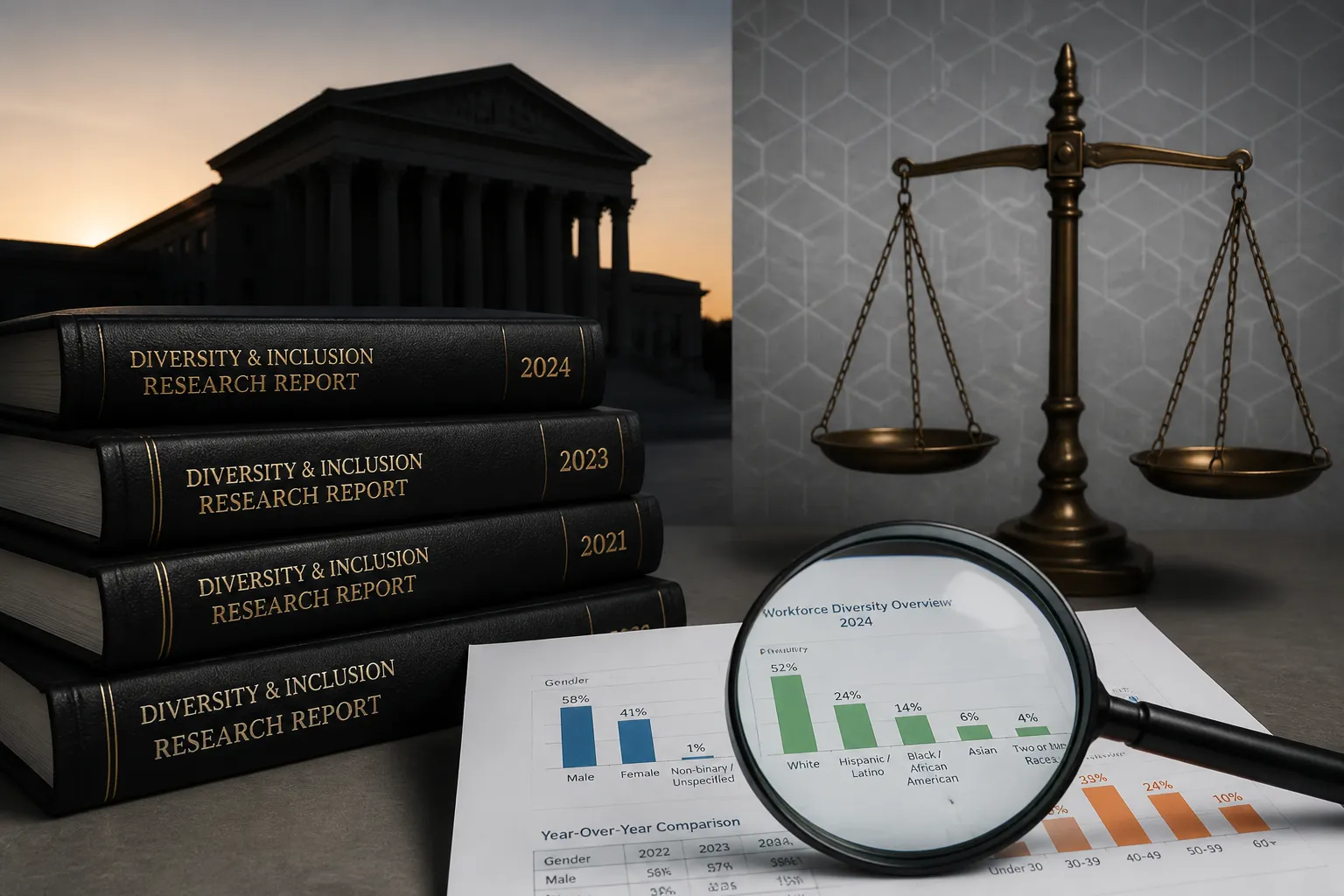
Representative Brandon Gill of Texas, a member of the House Oversight Committee, announced on Thursday that the committee is reviewing McKinsey & Company’s series of diversity and inclusion studies. The inquiry follows a press release from the committee that cited McKinsey’s four reports—Why Diversity Matters (2015), Delivering Through Diversity (2018), Diversity Wins (2020), and Diversity Matters Even More (2023)—as the basis for a growing body of corporate and institutional policies that link increased racial and gender diversity to higher financial performance.
The committee’s release notes that the McKinsey reports have been widely cited by publicly traded companies, asset managers, proxy advisory firms, and banks. It further states that no other consulting firm has replicated the findings presented in those studies. According to the release, the alleged link between diversity and profitability has led some organizations to adopt hiring, promotion, and compensation practices that the committee argues may be discriminatory.
Independent researchers have challenged the methodology and conclusions of McKinsey’s work. A 2024 paper by Jeremiah Green and John R. M. Hand revisited the statistical models used in the four reports and reported a failure to replicate the claimed positive relationships between diversity metrics and earnings before interest and taxes. The study noted that the original analyses may have reversed the direction of causality, suggesting that firms with better financial performance tend to attract a more diverse workforce rather than diversity driving performance.
The committee’s investigation also highlights an economic estimate that the implementation of the reported diversity practices has cost the United States approximately $94 billion in foregone revenue in 2023 alone. The release frames this figure as the result of “discriminatory hiring and promotion practices” that the committee believes violate the Civil Rights Act of 1964, which prohibits employment discrimination on the basis of race and sex.
Several public and private entities have reportedly relied on McKinsey’s studies to justify diversity initiatives. The committee’s release specifically names the California Public Employees Retirement System (CalPERS) Investment Office as one such organization. McKinsey has not released the data sets underlying its reports, a fact the committee cites as “reason to be suspicious.” The lack of data transparency has been a point of contention for scholars and policymakers who argue that empirical studies should be open to scrutiny.
McKinsey has publicly defended its findings, stating that the studies are based on rigorous analysis of large corporate data sets. The firm maintains that its research supports the business case for diversity, citing internal reports that suggest a correlation between diverse leadership teams and profitability. However, the firm has not provided the raw data used in the analyses, leaving independent verification difficult.
The Oversight Committee has not yet issued a formal recommendation or subpoena. It has, however, indicated that it will continue to examine the evidence surrounding McKinsey’s reports and the broader impact of diversity policies on corporate governance and economic outcomes. The committee’s next hearing is scheduled for early September, during which it may request additional documentation from McKinsey and other stakeholders.
The investigation underscores a broader debate about the role of diversity metrics in corporate decision‑making and the legal boundaries of employment practices. As the committee moves forward, stakeholders in the corporate, public‑sector, and academic communities will be watching closely for how the findings may influence future policy and regulatory actions.
The committee’s release notes that the McKinsey reports have been widely cited by publicly traded companies, asset managers, proxy advisory firms, and banks. It further states that no other consulting firm has replicated the findings presented in those studies. According to the release, the alleged link between diversity and profitability has led some organizations to adopt hiring, promotion, and compensation practices that the committee argues may be discriminatory.
Independent researchers have challenged the methodology and conclusions of McKinsey’s work. A 2024 paper by Jeremiah Green and John R. M. Hand revisited the statistical models used in the four reports and reported a failure to replicate the claimed positive relationships between diversity metrics and earnings before interest and taxes. The study noted that the original analyses may have reversed the direction of causality, suggesting that firms with better financial performance tend to attract a more diverse workforce rather than diversity driving performance.
The committee’s investigation also highlights an economic estimate that the implementation of the reported diversity practices has cost the United States approximately $94 billion in foregone revenue in 2023 alone. The release frames this figure as the result of “discriminatory hiring and promotion practices” that the committee believes violate the Civil Rights Act of 1964, which prohibits employment discrimination on the basis of race and sex.
Several public and private entities have reportedly relied on McKinsey’s studies to justify diversity initiatives. The committee’s release specifically names the California Public Employees Retirement System (CalPERS) Investment Office as one such organization. McKinsey has not released the data sets underlying its reports, a fact the committee cites as “reason to be suspicious.” The lack of data transparency has been a point of contention for scholars and policymakers who argue that empirical studies should be open to scrutiny.
McKinsey has publicly defended its findings, stating that the studies are based on rigorous analysis of large corporate data sets. The firm maintains that its research supports the business case for diversity, citing internal reports that suggest a correlation between diverse leadership teams and profitability. However, the firm has not provided the raw data used in the analyses, leaving independent verification difficult.
The Oversight Committee has not yet issued a formal recommendation or subpoena. It has, however, indicated that it will continue to examine the evidence surrounding McKinsey’s reports and the broader impact of diversity policies on corporate governance and economic outcomes. The committee’s next hearing is scheduled for early September, during which it may request additional documentation from McKinsey and other stakeholders.
The investigation underscores a broader debate about the role of diversity metrics in corporate decision‑making and the legal boundaries of employment practices. As the committee moves forward, stakeholders in the corporate, public‑sector, and academic communities will be watching closely for how the findings may influence future policy and regulatory actions.