Blab Business
Freeport-McMoRan Sees Copper-Driven Earnings Beat as Grasberg License Extension Moves Forward
Freeport‑McMoRan Inc. (NYSE: FCX) surprised Wall Street in the second quarter of 2026 by delivering a profit that exceeded analysts’ expectations, thanks to a sharp rebound in copper sales. The company posted $7.03 billion in revenue, up from the $6.85 billion forecasted by most of the market, and a net income that outpaced the consensus by more than 12 percent.
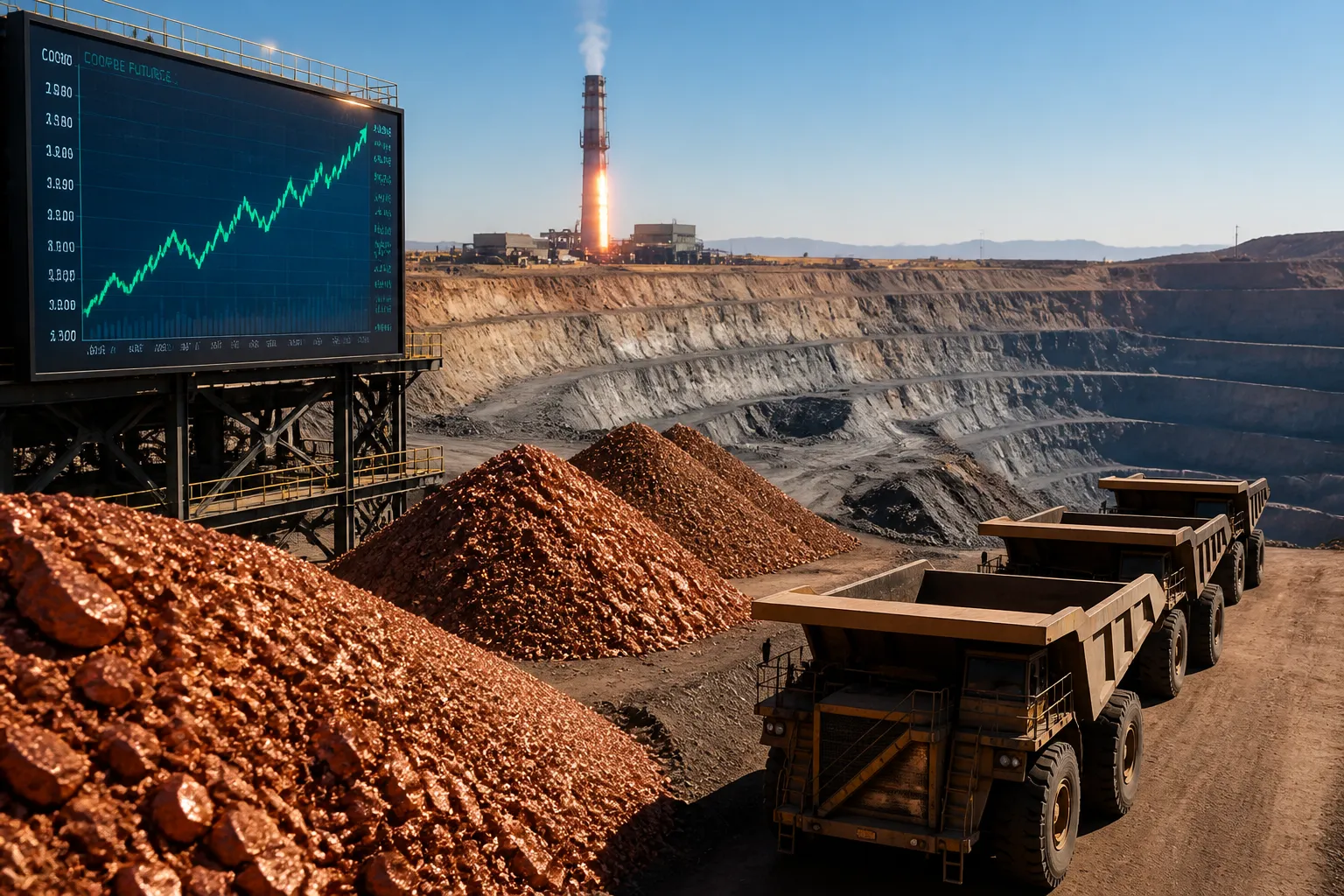
The earnings surge was driven almost entirely by copper, the lifeblood of FCX’s balance sheet. While gold and molybdenum sales contributed a smaller share of the top line, they played a vital role in cushioning the company against copper price swings. The company’s copper assets—most notably the world’s largest copper mine in Papua, Indonesia—remain the core of its financial performance.
On the day the results were released, FCX’s shares slipped 2.59 %, closing at $73.78. The stock trades at a forward EV/EBITDA of 5.5×, well below the 8.25× average that the company has historically commanded. That valuation gap, coupled with a projected jump in free‑cash‑flow yield from 1.78 % to nearly 8 %, signals that investors may see room for upside if operational gains at Grasberg continue to materialize.
A pivotal development underpinning the earnings beat is a Memorandum of Understanding signed on February 18, 2026, with the Indonesian government. The MOU extends the life‑of‑resource operating rights for PT Freeport Indonesia (PTFI) in the Grasberg minerals district, allowing the company to keep mining at the underground Block Cave mine. Under the agreement, PTFI is slated to restart Production Blocks 2 and 3 in the second quarter of 2026, with shipments to its smelter expected to resume in the second half of the year at a modest rate that will depend on the availability of copper concentrate.
The extension is a key step in the company’s broader effort to recover copper output after a period of reduced production. In 2023, FCX produced 680,000 tonnes of copper, a figure that underscores the mine’s importance to the company’s earnings engine. Analysts point out that copper remains the primary driver of FCX’s profitability, as reflected in the Q2 2026 revenue figure.
However, the outlook is not without risks. The renewal of the Indonesian mining license and the volatility of copper prices are the two primary uncertainties that could influence FCX’s valuation. Analysts have warned that a delay in the license renewal—or a drop in copper prices below $5 per pound—could erode the upside suggested by the current forward multiples.
One analyst has set a target price of $108 per share, but the target is contingent on gaining clarity around the license renewal or a “Baghdad approval,” a reference to a regulatory decision that could further clarify the company’s operating horizon. The target would be lowered if copper prices decline or if license delays persist.
Despite the modest volatility in recent weeks, the company’s forward EV/EBITDA multiple is lower than its historical average, suggesting potential upside for investors who view the company’s cash‑flow improvements as sustainable. The financial statements for Q2 2026 also highlight the importance of by‑product credits: gold and molybdenum sales provide additional revenue and help offset copper price swings.
In summary, Freeport‑McMoRan’s Q2 2026 earnings beat, coupled with the extension of its Grasberg operating rights, paints a positive picture for the company’s copper operations. Yet the valuation remains sensitive to license renewal outcomes and copper price movements. Investors will be watching the next earnings release and any regulatory updates from the Indonesian government.
The next key event for FCX is the release of its Q3 2026 earnings report, scheduled for early October. Market participants will also monitor any further developments regarding the Indonesian license renewal and the company’s copper production plans.
The earnings surge was driven almost entirely by copper, the lifeblood of FCX’s balance sheet. While gold and molybdenum sales contributed a smaller share of the top line, they played a vital role in cushioning the company against copper price swings. The company’s copper assets—most notably the world’s largest copper mine in Papua, Indonesia—remain the core of its financial performance.
On the day the results were released, FCX’s shares slipped 2.59 %, closing at $73.78. The stock trades at a forward EV/EBITDA of 5.5×, well below the 8.25× average that the company has historically commanded. That valuation gap, coupled with a projected jump in free‑cash‑flow yield from 1.78 % to nearly 8 %, signals that investors may see room for upside if operational gains at Grasberg continue to materialize.
A pivotal development underpinning the earnings beat is a Memorandum of Understanding signed on February 18, 2026, with the Indonesian government. The MOU extends the life‑of‑resource operating rights for PT Freeport Indonesia (PTFI) in the Grasberg minerals district, allowing the company to keep mining at the underground Block Cave mine. Under the agreement, PTFI is slated to restart Production Blocks 2 and 3 in the second quarter of 2026, with shipments to its smelter expected to resume in the second half of the year at a modest rate that will depend on the availability of copper concentrate.
The extension is a key step in the company’s broader effort to recover copper output after a period of reduced production. In 2023, FCX produced 680,000 tonnes of copper, a figure that underscores the mine’s importance to the company’s earnings engine. Analysts point out that copper remains the primary driver of FCX’s profitability, as reflected in the Q2 2026 revenue figure.
However, the outlook is not without risks. The renewal of the Indonesian mining license and the volatility of copper prices are the two primary uncertainties that could influence FCX’s valuation. Analysts have warned that a delay in the license renewal—or a drop in copper prices below $5 per pound—could erode the upside suggested by the current forward multiples.
One analyst has set a target price of $108 per share, but the target is contingent on gaining clarity around the license renewal or a “Baghdad approval,” a reference to a regulatory decision that could further clarify the company’s operating horizon. The target would be lowered if copper prices decline or if license delays persist.
Despite the modest volatility in recent weeks, the company’s forward EV/EBITDA multiple is lower than its historical average, suggesting potential upside for investors who view the company’s cash‑flow improvements as sustainable. The financial statements for Q2 2026 also highlight the importance of by‑product credits: gold and molybdenum sales provide additional revenue and help offset copper price swings.
In summary, Freeport‑McMoRan’s Q2 2026 earnings beat, coupled with the extension of its Grasberg operating rights, paints a positive picture for the company’s copper operations. Yet the valuation remains sensitive to license renewal outcomes and copper price movements. Investors will be watching the next earnings release and any regulatory updates from the Indonesian government.
The next key event for FCX is the release of its Q3 2026 earnings report, scheduled for early October. Market participants will also monitor any further developments regarding the Indonesian license renewal and the company’s copper production plans.