Blab Business
USA Rare Earth Accelerates Magnet Production Amid Investor Skepticism
USA Rare Earth, Inc. (NASDAQ: USAR) is moving quickly to build a vertically integrated rare‑earth supply chain, but the stock market remains unconvinced that the company will become profitable in the near term.
USAR is still in the early stages of development. The company’s most recent quarterly results were modest, but analysts and company insiders say that the numbers are less important than operational milestones. The focus is on the ramp‑up of permanent‑magnet production at the company’s Stillwater, Oklahoma facility and on the expansion of its customer pipeline.
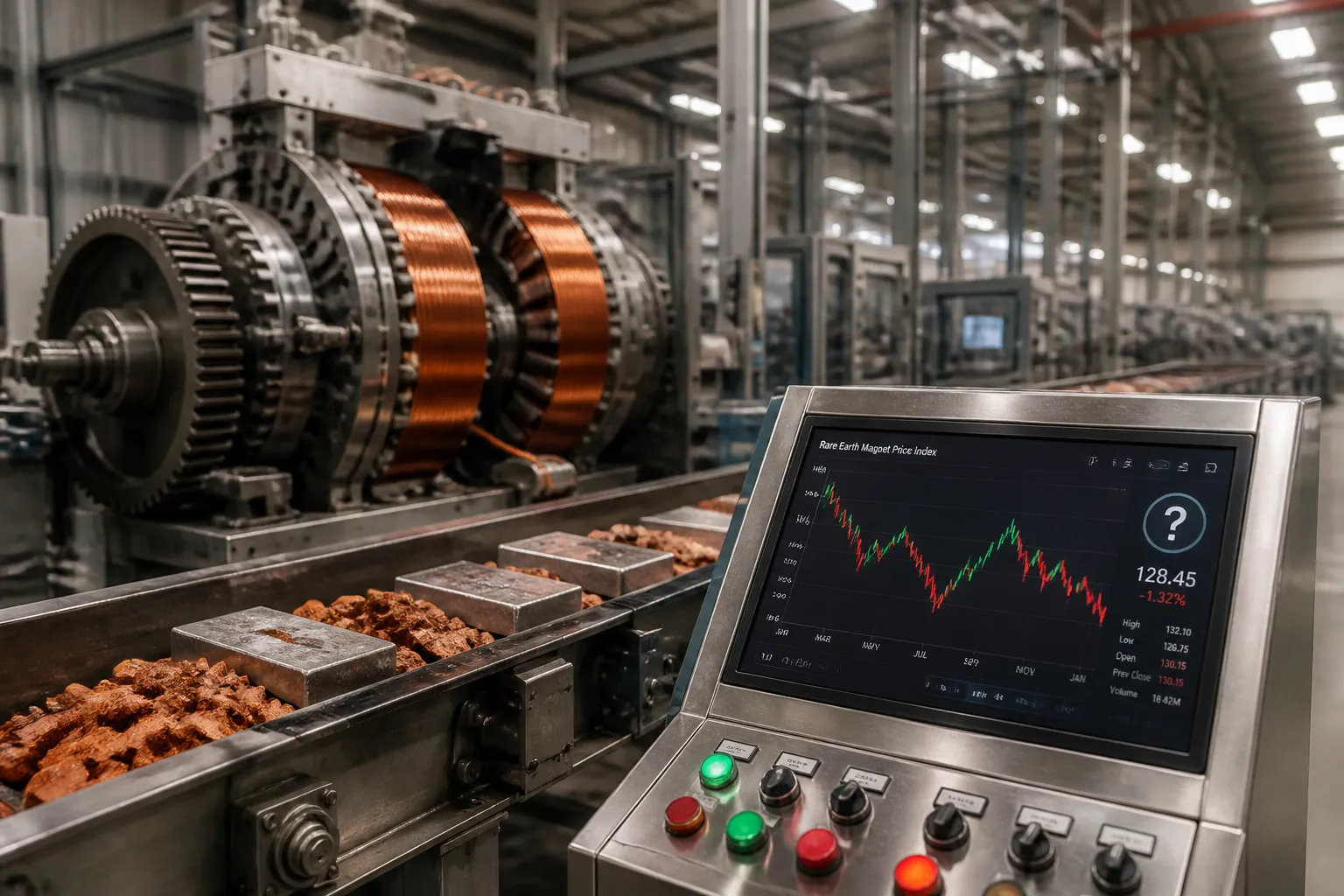
The Stillwater plant, which covers 310,000 square feet, began commercial production of high‑performance neodymium‑iron‑boron (NdFeB) magnets in July 2026. The facility is expected to deliver initial shipments in the second quarter of 2026. In addition to magnets, the plant has produced commercial‑grade neodymium‑praseodymium and dysprosium oxides from scrap generated at the magnet line, according to a Metal Tech News report.
USAR’s strategy is to control every step of the value chain. The company mines rare‑earth ore, processes it in a Texas facility, produces metals and alloys through its UK subsidiary LCM, and manufactures finished sintered magnets in Stillwater. This approach is designed to reduce dependence on foreign suppliers, particularly China, which supplies about 90 % of global rare‑earth demand.
In April 2026, USAR announced the acquisition of Brazil‑based Serra Verde Group in a transaction valued at roughly $2.8 billion in cash and stock. The deal expands USAR’s access to heavy‑rare‑earth deposits and adds a new processing capability in South America.
Financially, USAR’s management has set a target of $1.85 billion in adjusted EBITDA by 2030, with an expected free‑cash‑flow conversion of about 80 %. Debt is projected to be fully covered by 2030. The company’s valuation, based on a 3.5‑times multiple of the 2030 adjusted EBITDA target, places the stock in the $15 range, which some analysts view as a buying opportunity.
Market analysts have issued a median price target of $37 for USAR, with a range of $30 to $45. The company’s current share price, hovering around $18, is below the median target but above the lower end of the range. Analysts note that the company’s early‑stage operations and the capital intensity of rare‑earth development contribute to the market’s cautious stance.
The broader context for USAR’s business is the U.S. effort to reduce reliance on Chinese rare‑earth supplies. A U.S. defense procurement restriction scheduled for January 2027 will prohibit the use of Chinese‑origin rare‑earth metals and magnets in defense systems. The restriction is expected to increase demand for domestically produced magnets, a market segment that USAR is actively entering.
USAR’s progress is also relevant to the electric‑vehicle and renewable‑energy sectors, where permanent magnets are critical components. The company’s focus on heavy‑rare‑earth elements, which make up about 70 % of global rare‑earth production, aligns with the supply‑chain priorities of U.S. manufacturers.
At present, USAR’s operational milestones—magnet production ramp, acquisition of Serra Verde, and the establishment of a full‑value‑chain operation—are the primary drivers of its growth narrative. The company’s financial performance remains modest, and investor sentiment is tempered by the capital intensity and long development timelines typical of rare‑earth projects.
USAR will report its next quarterly earnings in early October. The company’s leadership will likely address the progress of its magnet plant, the integration of Serra Verde, and the status of its debt and cash‑flow projections. Investors will be watching for updates on the company’s ability to meet its 2030 EBITDA target and to convert its free cash flow in line with management’s guidance.
In summary, USA Rare Earth is advancing a comprehensive rare‑earth strategy that includes mining, processing, metal production, and magnet manufacturing. While the company has achieved significant operational milestones, the market remains cautious about its near‑term profitability. Upcoming earnings and further operational updates will be key to determining whether the company can translate its ambitious plan into sustainable financial performance.
USAR is still in the early stages of development. The company’s most recent quarterly results were modest, but analysts and company insiders say that the numbers are less important than operational milestones. The focus is on the ramp‑up of permanent‑magnet production at the company’s Stillwater, Oklahoma facility and on the expansion of its customer pipeline.
The Stillwater plant, which covers 310,000 square feet, began commercial production of high‑performance neodymium‑iron‑boron (NdFeB) magnets in July 2026. The facility is expected to deliver initial shipments in the second quarter of 2026. In addition to magnets, the plant has produced commercial‑grade neodymium‑praseodymium and dysprosium oxides from scrap generated at the magnet line, according to a Metal Tech News report.
USAR’s strategy is to control every step of the value chain. The company mines rare‑earth ore, processes it in a Texas facility, produces metals and alloys through its UK subsidiary LCM, and manufactures finished sintered magnets in Stillwater. This approach is designed to reduce dependence on foreign suppliers, particularly China, which supplies about 90 % of global rare‑earth demand.
In April 2026, USAR announced the acquisition of Brazil‑based Serra Verde Group in a transaction valued at roughly $2.8 billion in cash and stock. The deal expands USAR’s access to heavy‑rare‑earth deposits and adds a new processing capability in South America.
Financially, USAR’s management has set a target of $1.85 billion in adjusted EBITDA by 2030, with an expected free‑cash‑flow conversion of about 80 %. Debt is projected to be fully covered by 2030. The company’s valuation, based on a 3.5‑times multiple of the 2030 adjusted EBITDA target, places the stock in the $15 range, which some analysts view as a buying opportunity.
Market analysts have issued a median price target of $37 for USAR, with a range of $30 to $45. The company’s current share price, hovering around $18, is below the median target but above the lower end of the range. Analysts note that the company’s early‑stage operations and the capital intensity of rare‑earth development contribute to the market’s cautious stance.
The broader context for USAR’s business is the U.S. effort to reduce reliance on Chinese rare‑earth supplies. A U.S. defense procurement restriction scheduled for January 2027 will prohibit the use of Chinese‑origin rare‑earth metals and magnets in defense systems. The restriction is expected to increase demand for domestically produced magnets, a market segment that USAR is actively entering.
USAR’s progress is also relevant to the electric‑vehicle and renewable‑energy sectors, where permanent magnets are critical components. The company’s focus on heavy‑rare‑earth elements, which make up about 70 % of global rare‑earth production, aligns with the supply‑chain priorities of U.S. manufacturers.
At present, USAR’s operational milestones—magnet production ramp, acquisition of Serra Verde, and the establishment of a full‑value‑chain operation—are the primary drivers of its growth narrative. The company’s financial performance remains modest, and investor sentiment is tempered by the capital intensity and long development timelines typical of rare‑earth projects.
USAR will report its next quarterly earnings in early October. The company’s leadership will likely address the progress of its magnet plant, the integration of Serra Verde, and the status of its debt and cash‑flow projections. Investors will be watching for updates on the company’s ability to meet its 2030 EBITDA target and to convert its free cash flow in line with management’s guidance.
In summary, USA Rare Earth is advancing a comprehensive rare‑earth strategy that includes mining, processing, metal production, and magnet manufacturing. While the company has achieved significant operational milestones, the market remains cautious about its near‑term profitability. Upcoming earnings and further operational updates will be key to determining whether the company can translate its ambitious plan into sustainable financial performance.