Blab Business
East Harlem Grocer Joins Lawsuit Over Mayor Mamdanis City-Owned Grocery Stores
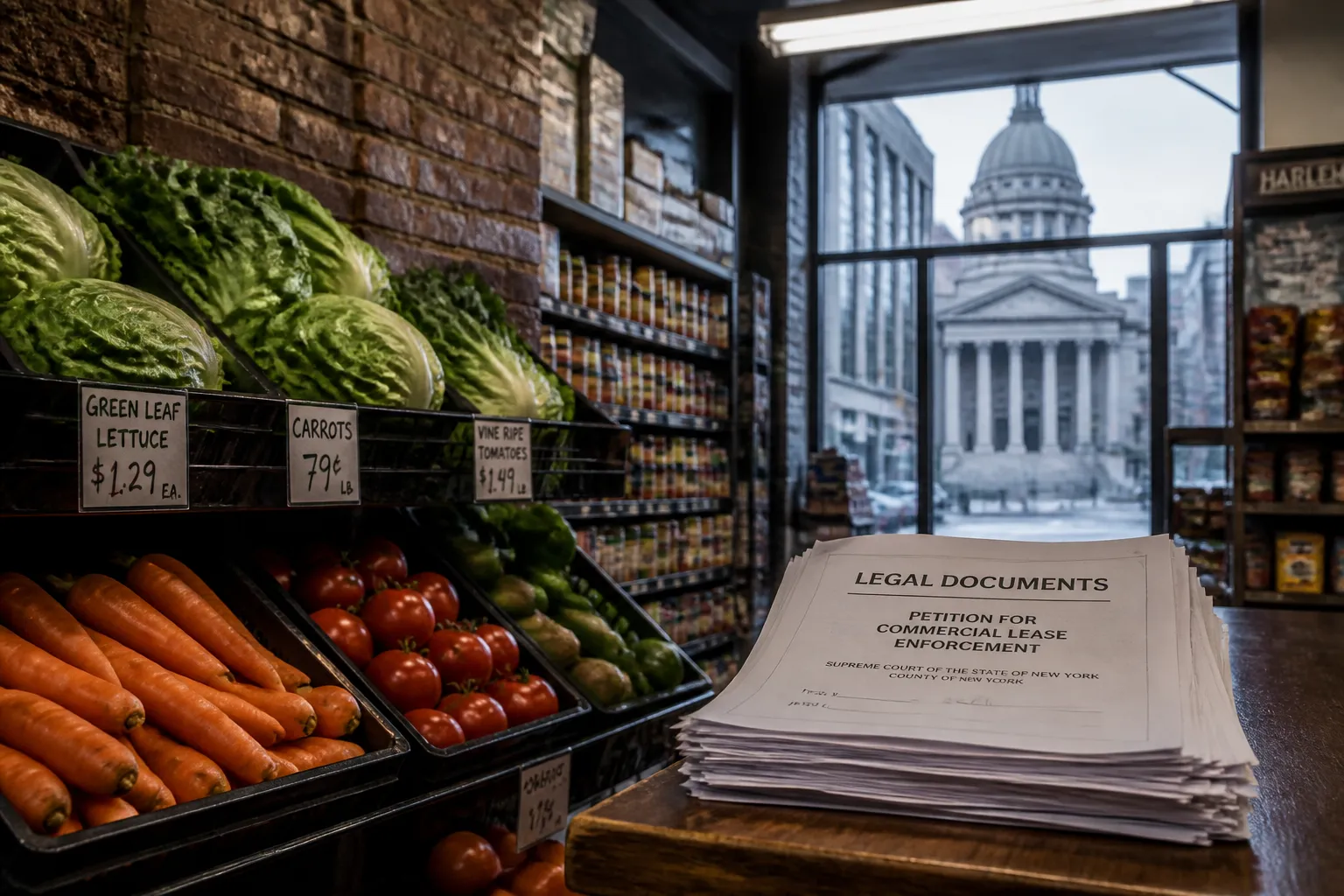
East Harlem’s Little Mexico, a family‑owned market that has served the neighborhood since 1997, has joined a coalition of New York City grocers in a lawsuit that questions Mayor Zohran Mamdani’s proposal to open five city‑run supermarkets.
Filed in September 2026, the lawsuit contends that using public money to construct and run grocery stores on municipal property gives city‑owned outlets an unfair advantage over independent retailers.
Josefina Aguirre, who runs Little Mexico—a Spanish‑style market founded by her parents in 1997—warned that a municipal store slated for La Marqueta, just two blocks from her shop, could lure customers with a promised 30 % discount on staples. Aguirre said the competition would threaten her ability to cover her mortgage and her children’s tuition.
The proposal, unveiled in July 2026, plans five municipal grocery stores—one per borough—at a total cost of $70 million. La Marqueta would be the first, with an estimated $30 million earmarked for construction. Because the city would cover rent and property taxes, the mayor’s office says the savings would enable the stores to price items about 30 % below those of comparable private retailers.
The plaintiffs argue that the tax‑free, rent‑free status of the municipal outlets creates a competitive edge that private grocers cannot match. “If I’m selling a whole chicken for $10, and he’s giving it for $7, they’re gonna buy the $7 chicken,” Aguirre said. “Who doesn’t want a 30 % discount?” They claim the public‑funded model essentially subsidizes a rival that independent stores cannot realistically compete against.
Mamdani’s grocery plan sits alongside a broader agenda that includes fare‑free city buses, universal child care, and a rent freeze on rent‑stabilized units. Elected in November 2025, the mayor frames the initiative as a response to soaring food prices and a means to serve neighborhoods that lack affordable options. The first municipal store is slated to open by the end of Mamdani’s inaugural term.
The lawsuit was brought by a coalition that includes Little Mexico, other East Harlem retailers, and independent stores throughout the five boroughs. The plaintiffs allege that the city’s use of public funds to build and run grocery stores violates fair‑competition principles. They seek a court order to halt construction of the La Marqueta store.
Mamdani’s office has not yet commented, and no formal statement from the mayoral office has been released.
The lawsuit casts a spotlight on the tension between public subsidies for essential services and the right of private businesses to compete on a level playing field. It also underscores the struggles of long‑standing neighborhood retailers that have weathered rising rents, inflation, and the pandemic.
The case remains pending. Construction of the La Marqueta store has not yet begun, and the court’s ruling will decide whether the municipal grocery initiative can move forward. Aguirre and the other plaintiffs await a decision that could reshape independent grocery retail in the city.
Small‑business advocates and policymakers will keep a close eye on the case, as it touches on broader debates about public investment in essential services and its effects on local economies.
Filed in September 2026, the lawsuit contends that using public money to construct and run grocery stores on municipal property gives city‑owned outlets an unfair advantage over independent retailers.
Josefina Aguirre, who runs Little Mexico—a Spanish‑style market founded by her parents in 1997—warned that a municipal store slated for La Marqueta, just two blocks from her shop, could lure customers with a promised 30 % discount on staples. Aguirre said the competition would threaten her ability to cover her mortgage and her children’s tuition.
The proposal, unveiled in July 2026, plans five municipal grocery stores—one per borough—at a total cost of $70 million. La Marqueta would be the first, with an estimated $30 million earmarked for construction. Because the city would cover rent and property taxes, the mayor’s office says the savings would enable the stores to price items about 30 % below those of comparable private retailers.
The plaintiffs argue that the tax‑free, rent‑free status of the municipal outlets creates a competitive edge that private grocers cannot match. “If I’m selling a whole chicken for $10, and he’s giving it for $7, they’re gonna buy the $7 chicken,” Aguirre said. “Who doesn’t want a 30 % discount?” They claim the public‑funded model essentially subsidizes a rival that independent stores cannot realistically compete against.
Mamdani’s grocery plan sits alongside a broader agenda that includes fare‑free city buses, universal child care, and a rent freeze on rent‑stabilized units. Elected in November 2025, the mayor frames the initiative as a response to soaring food prices and a means to serve neighborhoods that lack affordable options. The first municipal store is slated to open by the end of Mamdani’s inaugural term.
The lawsuit was brought by a coalition that includes Little Mexico, other East Harlem retailers, and independent stores throughout the five boroughs. The plaintiffs allege that the city’s use of public funds to build and run grocery stores violates fair‑competition principles. They seek a court order to halt construction of the La Marqueta store.
Mamdani’s office has not yet commented, and no formal statement from the mayoral office has been released.
The lawsuit casts a spotlight on the tension between public subsidies for essential services and the right of private businesses to compete on a level playing field. It also underscores the struggles of long‑standing neighborhood retailers that have weathered rising rents, inflation, and the pandemic.
The case remains pending. Construction of the La Marqueta store has not yet begun, and the court’s ruling will decide whether the municipal grocery initiative can move forward. Aguirre and the other plaintiffs await a decision that could reshape independent grocery retail in the city.
Small‑business advocates and policymakers will keep a close eye on the case, as it touches on broader debates about public investment in essential services and its effects on local economies.