Blab Business
DOJ Settles Antitrust Case With Live Nation Mid-Trial, 27 States Continue Fight
In a move that sent shockwaves through the live‑event sector, the U.S. Department of Justice quietly reached a settlement with Live Nation Entertainment on March 9, 2026—just a week after the first day of a federal trial that had drawn national attention.
The agreement, disclosed after a closed‑door meeting between DOJ officials and Live Nation executives, carved out a $280 million fund and required the company to divest 13 of its amphitheater venues. No mandate to split Ticketmaster or impose other structural changes accompanied the deal.
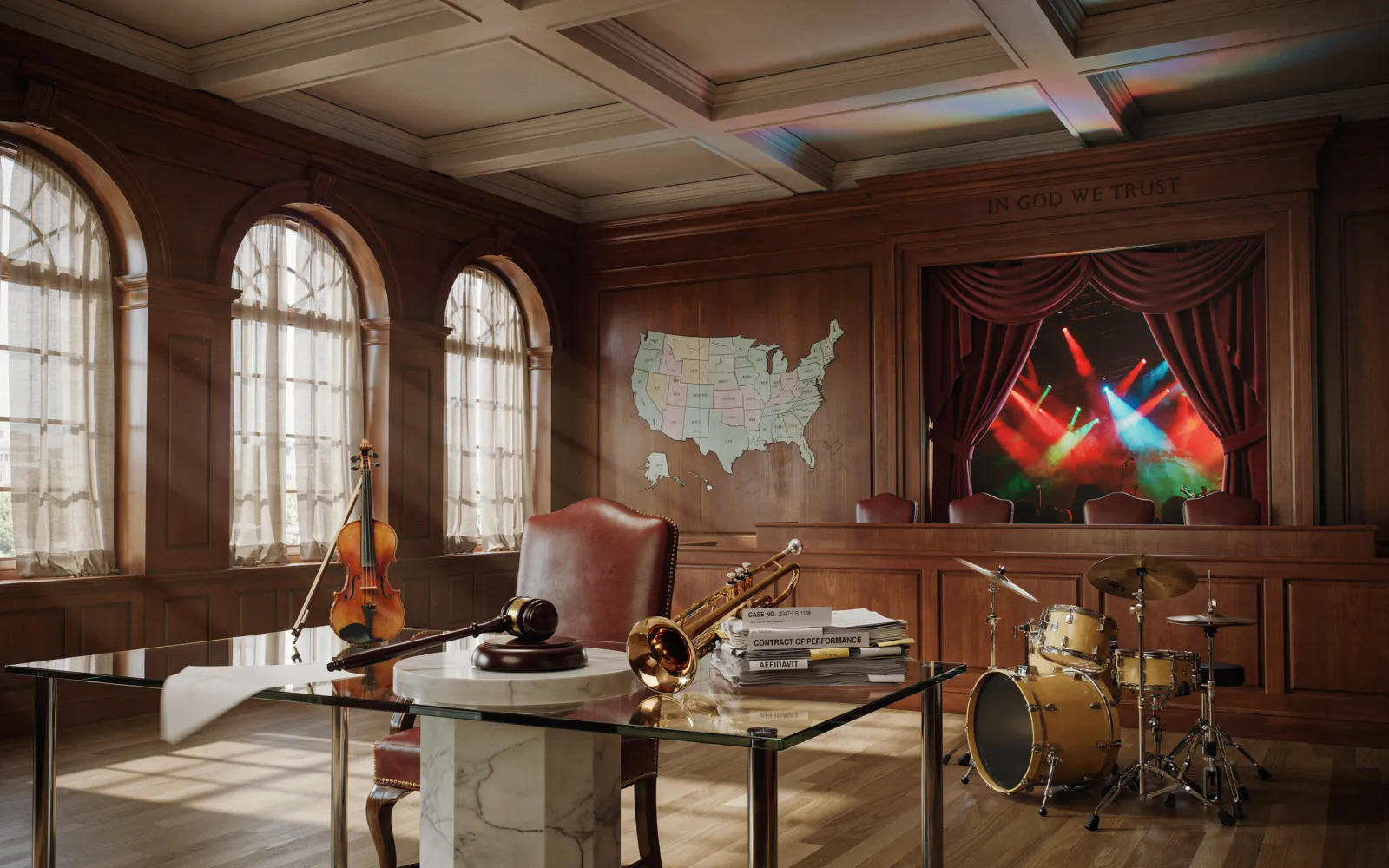
The lawsuit, filed in May 2024 by the DOJ alongside a coalition of more than 30 states, accused Live Nation and Ticketmaster of monopolizing the U.S. ticketing market and engaging in exclusionary conduct that stifled competition. The case was brought to the Southern District of New York, where Judge Arun Subramanian presided.
The trial opened in March 2026, and the settlement followed a week later. Judge Subramanian publicly stated that the deal conflicted with the court’s principles, underscoring the tension between federal enforcement and corporate interests.
Former DOJ antitrust attorneys David Dahlquist and David Alford—who led the case—were not involved in negotiating the settlement. Dahlquist, the former Deputy Director of Litigation, said he had not seen the settlement terms until the judge was briefed that morning, adding that he and his team remained on to assist the states in transitioning the case.
Alford, a former Assistant Attorney General, was fired in July 2025 for opposing what he called “inappropriate lobbying” in the Live Nation/Ticketmaster case. He alleged that the DOJ dropped the case because of lobbying efforts and criticized the department for selectively refusing to prosecute other antitrust violations.
The Wall Street Journal reported that the settlement was engineered by officials at the highest levels of the administration, suggesting that President Trump personally intervened. The DOJ has not confirmed these claims.
Despite the settlement, 27 states that were named in the original suit continued their litigation. In April 2026, a federal jury found that Live Nation and Ticketmaster held an illegal monopoly on the U.S. ticketing market, a verdict that affirmed the states’ allegations.
The judge has yet to decide whether Live Nation and Ticketmaster must make additional changes to comply with antitrust law. The divestiture of 13 amphitheaters remains the only structural adjustment imposed.
The National Independent Venues Alliance (NIVA) praised Dahlquist and Alford for their stance. Executive director Stephen Parker called them “heroes” during a conference in Minneapolis.
The case underscores the ongoing friction between the DOJ’s antitrust enforcement agenda and the interests of large entertainment companies, while highlighting the pivotal role that state attorneys general play when federal action appears insufficient.
The $280 million fund is intended to support independent venues and other stakeholders impacted by the industry’s consolidation, though it remains unclear whether the money will achieve its intended goals.
The DOJ’s decision to settle mid‑trial, the subsequent jury verdict, and the continued state litigation illustrate the complex interplay of federal and state enforcement in antitrust law. The outcome will likely shape future regulatory approaches to the live‑events industry.
The case remains under close scrutiny as industry participants and regulators assess the long‑term impact of the settlement and the jury’s findings on competition and consumer prices in the ticketing market.
The agreement, disclosed after a closed‑door meeting between DOJ officials and Live Nation executives, carved out a $280 million fund and required the company to divest 13 of its amphitheater venues. No mandate to split Ticketmaster or impose other structural changes accompanied the deal.
The lawsuit, filed in May 2024 by the DOJ alongside a coalition of more than 30 states, accused Live Nation and Ticketmaster of monopolizing the U.S. ticketing market and engaging in exclusionary conduct that stifled competition. The case was brought to the Southern District of New York, where Judge Arun Subramanian presided.
The trial opened in March 2026, and the settlement followed a week later. Judge Subramanian publicly stated that the deal conflicted with the court’s principles, underscoring the tension between federal enforcement and corporate interests.
Former DOJ antitrust attorneys David Dahlquist and David Alford—who led the case—were not involved in negotiating the settlement. Dahlquist, the former Deputy Director of Litigation, said he had not seen the settlement terms until the judge was briefed that morning, adding that he and his team remained on to assist the states in transitioning the case.
Alford, a former Assistant Attorney General, was fired in July 2025 for opposing what he called “inappropriate lobbying” in the Live Nation/Ticketmaster case. He alleged that the DOJ dropped the case because of lobbying efforts and criticized the department for selectively refusing to prosecute other antitrust violations.
The Wall Street Journal reported that the settlement was engineered by officials at the highest levels of the administration, suggesting that President Trump personally intervened. The DOJ has not confirmed these claims.
Despite the settlement, 27 states that were named in the original suit continued their litigation. In April 2026, a federal jury found that Live Nation and Ticketmaster held an illegal monopoly on the U.S. ticketing market, a verdict that affirmed the states’ allegations.
The judge has yet to decide whether Live Nation and Ticketmaster must make additional changes to comply with antitrust law. The divestiture of 13 amphitheaters remains the only structural adjustment imposed.
The National Independent Venues Alliance (NIVA) praised Dahlquist and Alford for their stance. Executive director Stephen Parker called them “heroes” during a conference in Minneapolis.
The case underscores the ongoing friction between the DOJ’s antitrust enforcement agenda and the interests of large entertainment companies, while highlighting the pivotal role that state attorneys general play when federal action appears insufficient.
The $280 million fund is intended to support independent venues and other stakeholders impacted by the industry’s consolidation, though it remains unclear whether the money will achieve its intended goals.
The DOJ’s decision to settle mid‑trial, the subsequent jury verdict, and the continued state litigation illustrate the complex interplay of federal and state enforcement in antitrust law. The outcome will likely shape future regulatory approaches to the live‑events industry.
The case remains under close scrutiny as industry participants and regulators assess the long‑term impact of the settlement and the jury’s findings on competition and consumer prices in the ticketing market.