Blab Business
Birmingham Brewers Seek Support as Industry Faces Shrinking Numbers and New Business Rates Cut
On Wednesday, independent brewers in Birmingham convened at Attic Brew Co to discuss challenges facing the craft beer sector. The meeting brought together owners, local MPs and industry representatives to seek greater backing for high business rates and rising costs. Hours later, Prime Minister Andy Burnham announced a 20 % cut in business rates for pubs, clubs and live‑music venues across England, effective from April.
Attic Brew Co, which has operated for eight years and employs 50 people, was chosen as the venue because of its long‑standing presence in the city. Owner Sam Back said the brewery has grown over tenfold since it opened and that all profits have been reinvested. He added that the company expects to double in size over the next year and a half.
The roundtable was attended by Birmingham Selly Oak MP Al Carns and Birmingham Northfield MP Laurence Turner. Carns, who represents a constituency with four breweries, said the brewing trade is good for society, describing it as a social glue that brings people together. Turner told the BBC that independent producers struggle to get their products into the market. He noted that the Competition and Markets Authority has not examined the issue for about four decades and that it is overdue.
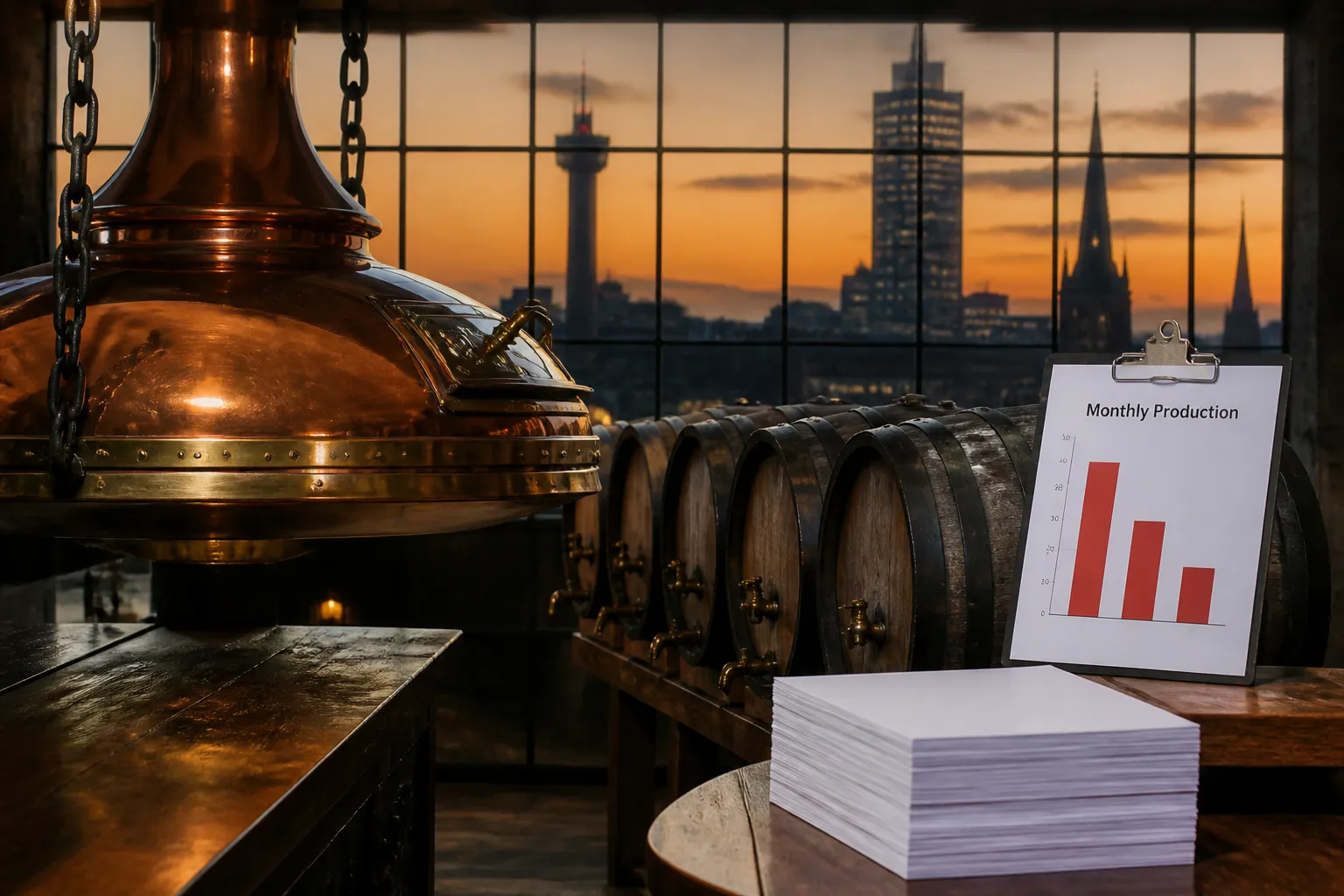
Industry context is stark. In 2025, 320 breweries closed while only 170 opened, leaving a net loss of 150. In the first quarter of 2026, the beer industry estimates that two pubs close every day. The pub and hospitality trades employ more than 200,000 people in Birmingham alone.
The government said the business‑rates cut would cost about £100 million a year and would be funded by a review of tax reliefs given to certain businesses. The reduction would take effect from April, saving the average pub about £1,100 in tax next year, the government added.
Reports have circulated that the new prime minister might promote so‑called "sin taxes", including a minimum unit price of alcohol and restrictions on availability as part of a health agenda. Before the announcement of the rates cut, Barry Watts of the Society of Independent Brewers and Associates said Burnham had said the price of a pint was important to him. Watts added that the prime minister wants to support community pubs and businesses that make a difference to local communities.
The meeting and the subsequent policy announcement highlight the pressures on the sector. Brewers are grappling with a shrinking number of peers, rising operating costs and a challenging distribution environment. The business‑rates relief is intended to ease the financial burden on venues that serve craft beer, but it is only one element of a broader policy landscape that may include further tax measures.
The outcome of the roundtable will be monitored as the industry awaits the implementation of the rates cut and any future regulatory changes. The next steps for independent brewers will involve assessing how the relief translates into operational savings and whether additional support is needed to address distribution hurdles.
The industry will also watch for the next earnings reports from larger brewery groups and for any announcements regarding further tax reforms or health‑related alcohol pricing measures. The situation remains fluid, and the brewing community will likely continue to engage with policymakers to shape a sustainable future for craft beer in the UK.
Attic Brew Co, which has operated for eight years and employs 50 people, was chosen as the venue because of its long‑standing presence in the city. Owner Sam Back said the brewery has grown over tenfold since it opened and that all profits have been reinvested. He added that the company expects to double in size over the next year and a half.
The roundtable was attended by Birmingham Selly Oak MP Al Carns and Birmingham Northfield MP Laurence Turner. Carns, who represents a constituency with four breweries, said the brewing trade is good for society, describing it as a social glue that brings people together. Turner told the BBC that independent producers struggle to get their products into the market. He noted that the Competition and Markets Authority has not examined the issue for about four decades and that it is overdue.
Industry context is stark. In 2025, 320 breweries closed while only 170 opened, leaving a net loss of 150. In the first quarter of 2026, the beer industry estimates that two pubs close every day. The pub and hospitality trades employ more than 200,000 people in Birmingham alone.
The government said the business‑rates cut would cost about £100 million a year and would be funded by a review of tax reliefs given to certain businesses. The reduction would take effect from April, saving the average pub about £1,100 in tax next year, the government added.
Reports have circulated that the new prime minister might promote so‑called "sin taxes", including a minimum unit price of alcohol and restrictions on availability as part of a health agenda. Before the announcement of the rates cut, Barry Watts of the Society of Independent Brewers and Associates said Burnham had said the price of a pint was important to him. Watts added that the prime minister wants to support community pubs and businesses that make a difference to local communities.
The meeting and the subsequent policy announcement highlight the pressures on the sector. Brewers are grappling with a shrinking number of peers, rising operating costs and a challenging distribution environment. The business‑rates relief is intended to ease the financial burden on venues that serve craft beer, but it is only one element of a broader policy landscape that may include further tax measures.
The outcome of the roundtable will be monitored as the industry awaits the implementation of the rates cut and any future regulatory changes. The next steps for independent brewers will involve assessing how the relief translates into operational savings and whether additional support is needed to address distribution hurdles.
The industry will also watch for the next earnings reports from larger brewery groups and for any announcements regarding further tax reforms or health‑related alcohol pricing measures. The situation remains fluid, and the brewing community will likely continue to engage with policymakers to shape a sustainable future for craft beer in the UK.