Blab Business
Grupo Abra Orders 100 CFM LEAP-1A Engines for 50 Airbus A320neo Jets, Expanding Fleet Commonality
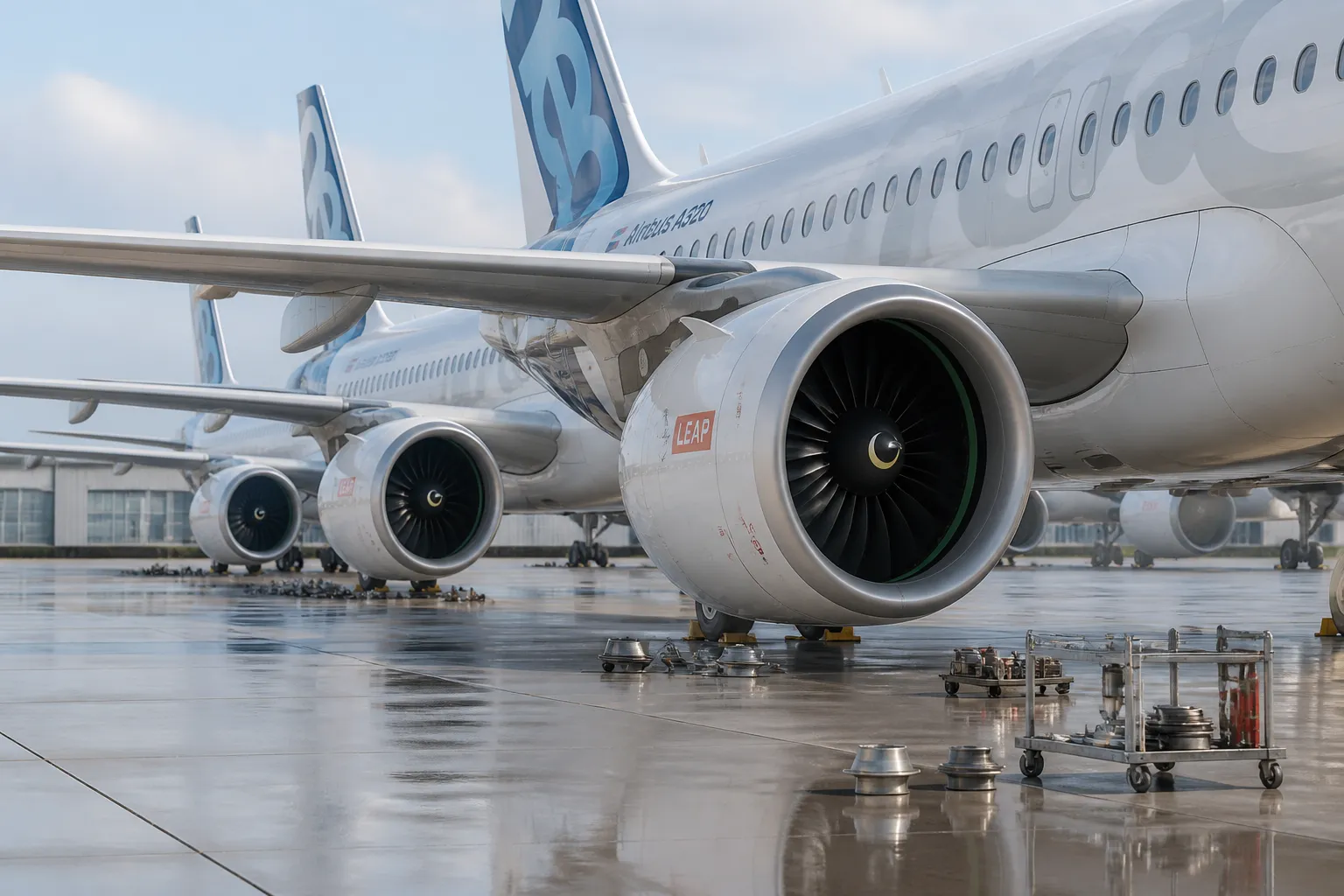
On July 21 2026, Grupo Abra— the holding company behind Colombia’s Avianca and Brazil’s GOL Linhas Aéreas— announced that it would purchase 100 CFM LEAP‑1A engines for 50 new Airbus A320neo‑family aircraft destined for Avianca.
CFM International confirmed the order, which also includes spare engines and a long‑term service agreement that covers Avianca’s A320neo fleet as well as GOL’s Boeing 737 MAX aircraft. No purchase price or service‑package value was disclosed.
The deal sits within Avianca’s remaining backlog of 134 Airbus aircraft. The 50 jets covered by the order are currently unallocated and will be delivered over several years as Airbus fills production slots.
Grupo Abra’s broader strategy is to create a unified, narrow‑body fleet across its brands. By standardising on the LEAP‑1A for the A320neo family and the LEAP‑1B for the 737 MAX, the group seeks to lower maintenance costs, streamline crew and mechanic training, and strengthen bargaining power with suppliers. The new engines will bring the combined LEAP‑powered fleet of Avianca and GOL to more than 650 aircraft.
The group already operates CFM56‑powered planes, making it Latin America’s largest operator of CFM engines. Adding 100 LEAP‑1A engines will further consolidate its engine portfolio and build a larger spare‑part inventory that can be shared across Colombia, Brazil, and Spain, where Wamos Air operates.
Fleet commonality is especially valuable in high‑inflation economies. Predictable per‑hour maintenance costs and a shared spare‑pool can provide a financial cushion when local currencies weaken or fuel prices rise. The long‑term service agreement indicates that maintenance planning and spare‑engine logistics are already being coordinated across the two airlines.
The order also signals the group’s growth ambitions. While many carriers are still restructuring after the pandemic, Abra is locking in long‑lead engine contracts that will shape its cost structure for the next two decades.
The broader Latin American market is seeing similar moves. Major carriers are investing in fuel‑efficient narrowbodies to replace older aircraft and support network expansion. The LEAP engine is known for better fuel efficiency and lower noise compared with older CFM56 powerplants, which can translate into lower operating costs and a more consistent onboard experience for passengers.
In the near term, Grupo Abra will continue integrating Avianca and GOL operations where regulatory approval allows. The long‑term service agreement covering both the A320neo family and GOL’s 737 MAX fleet suggests that the group is already aligning maintenance schedules and spare‑part inventories.
At present, the order has been announced, the delivery timeline remains unspecified, and the financial value of the transaction has not been released. Investors and industry observers will watch for the next earnings report and any updates on delivery schedules or regulatory approvals.
The deal illustrates how a regional airline group can use fleet standardisation to manage costs and position itself for future growth, even in a market where engine supply chains remain tight and maintenance slots are scarce.
CFM International confirmed the order, which also includes spare engines and a long‑term service agreement that covers Avianca’s A320neo fleet as well as GOL’s Boeing 737 MAX aircraft. No purchase price or service‑package value was disclosed.
The deal sits within Avianca’s remaining backlog of 134 Airbus aircraft. The 50 jets covered by the order are currently unallocated and will be delivered over several years as Airbus fills production slots.
Grupo Abra’s broader strategy is to create a unified, narrow‑body fleet across its brands. By standardising on the LEAP‑1A for the A320neo family and the LEAP‑1B for the 737 MAX, the group seeks to lower maintenance costs, streamline crew and mechanic training, and strengthen bargaining power with suppliers. The new engines will bring the combined LEAP‑powered fleet of Avianca and GOL to more than 650 aircraft.
The group already operates CFM56‑powered planes, making it Latin America’s largest operator of CFM engines. Adding 100 LEAP‑1A engines will further consolidate its engine portfolio and build a larger spare‑part inventory that can be shared across Colombia, Brazil, and Spain, where Wamos Air operates.
Fleet commonality is especially valuable in high‑inflation economies. Predictable per‑hour maintenance costs and a shared spare‑pool can provide a financial cushion when local currencies weaken or fuel prices rise. The long‑term service agreement indicates that maintenance planning and spare‑engine logistics are already being coordinated across the two airlines.
The order also signals the group’s growth ambitions. While many carriers are still restructuring after the pandemic, Abra is locking in long‑lead engine contracts that will shape its cost structure for the next two decades.
The broader Latin American market is seeing similar moves. Major carriers are investing in fuel‑efficient narrowbodies to replace older aircraft and support network expansion. The LEAP engine is known for better fuel efficiency and lower noise compared with older CFM56 powerplants, which can translate into lower operating costs and a more consistent onboard experience for passengers.
In the near term, Grupo Abra will continue integrating Avianca and GOL operations where regulatory approval allows. The long‑term service agreement covering both the A320neo family and GOL’s 737 MAX fleet suggests that the group is already aligning maintenance schedules and spare‑part inventories.
At present, the order has been announced, the delivery timeline remains unspecified, and the financial value of the transaction has not been released. Investors and industry observers will watch for the next earnings report and any updates on delivery schedules or regulatory approvals.
The deal illustrates how a regional airline group can use fleet standardisation to manage costs and position itself for future growth, even in a market where engine supply chains remain tight and maintenance slots are scarce.